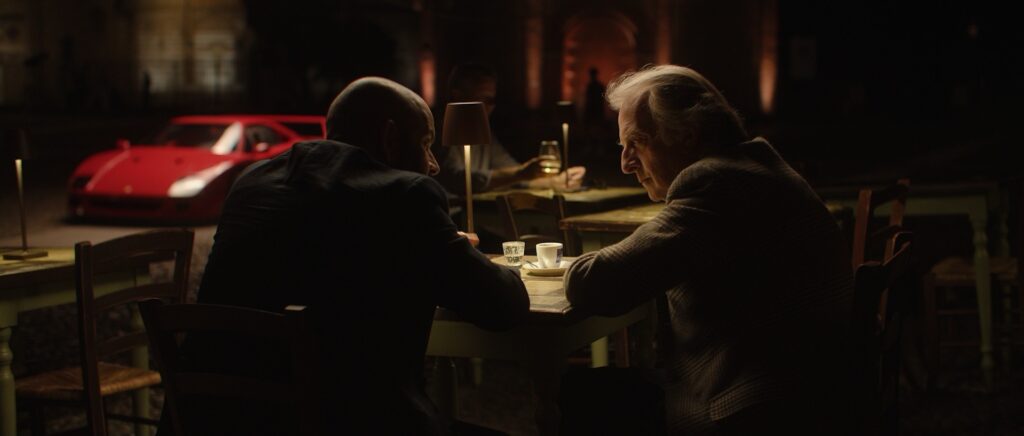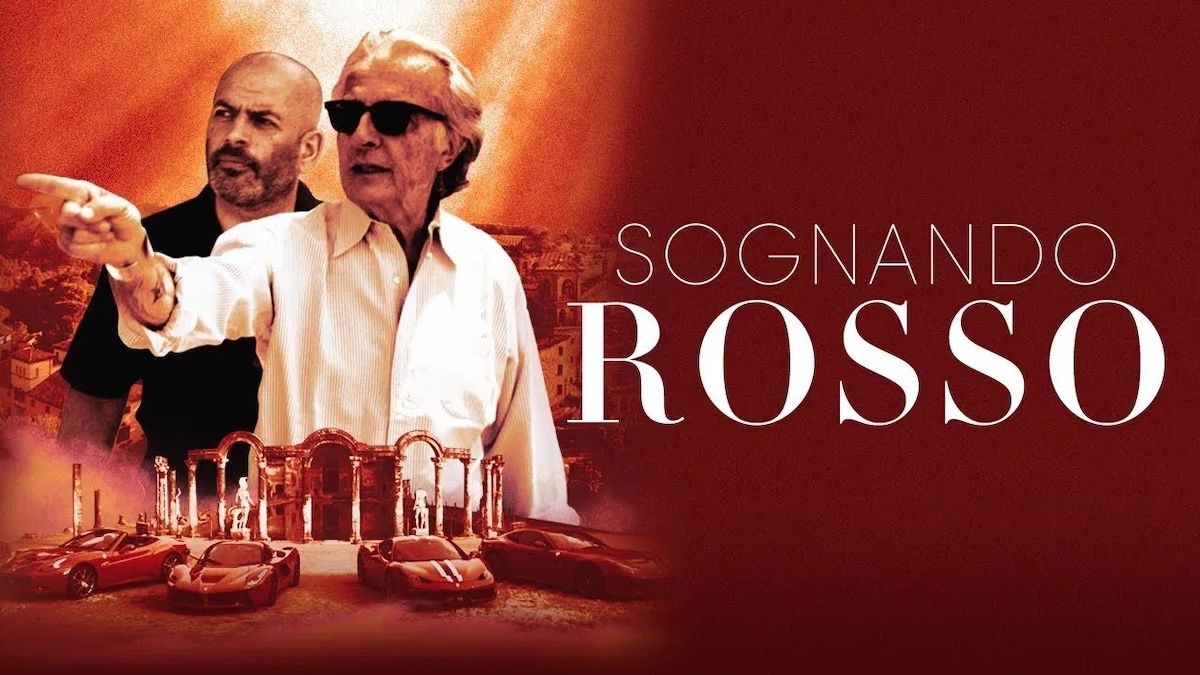
Sognando Rosso, the elegant Italy of Luca Cordero di Montezemolo
Bonjour fashion lovers,
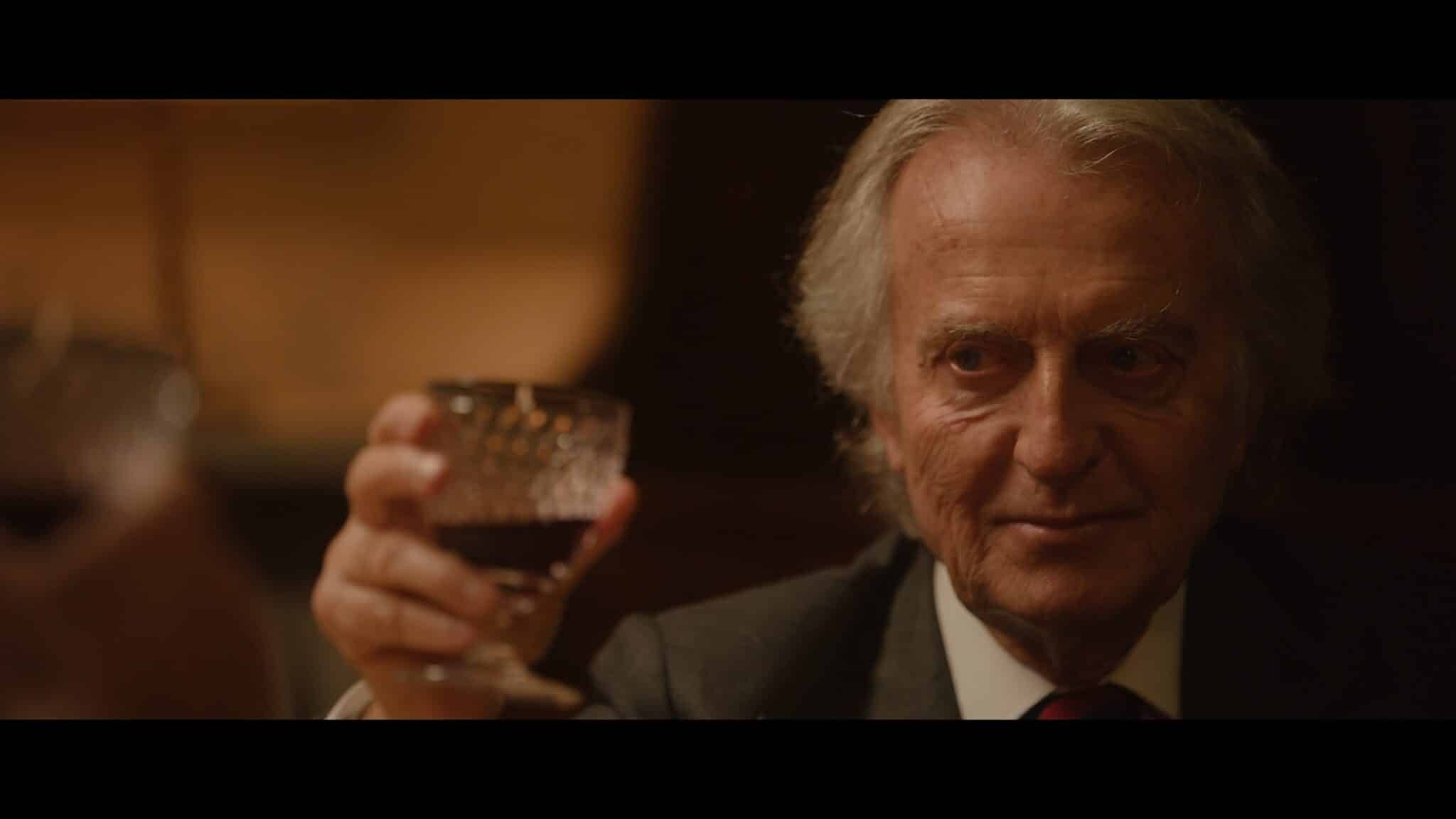
I just finished watching Sognando Rosso, the documentary dedicated to the life of Luca Cordero di Montezemolo, on Sky.
The film tells the story of one of the most influential figures in modern Italian entrepreneurship and the man who helped shape Ferrari into a global symbol of excellence.
And it’s one of those stories you simply can’t stop watching.
Not because it’s just the story of one man.
But because it’s the story of a certain way of capturing the Italy we love.
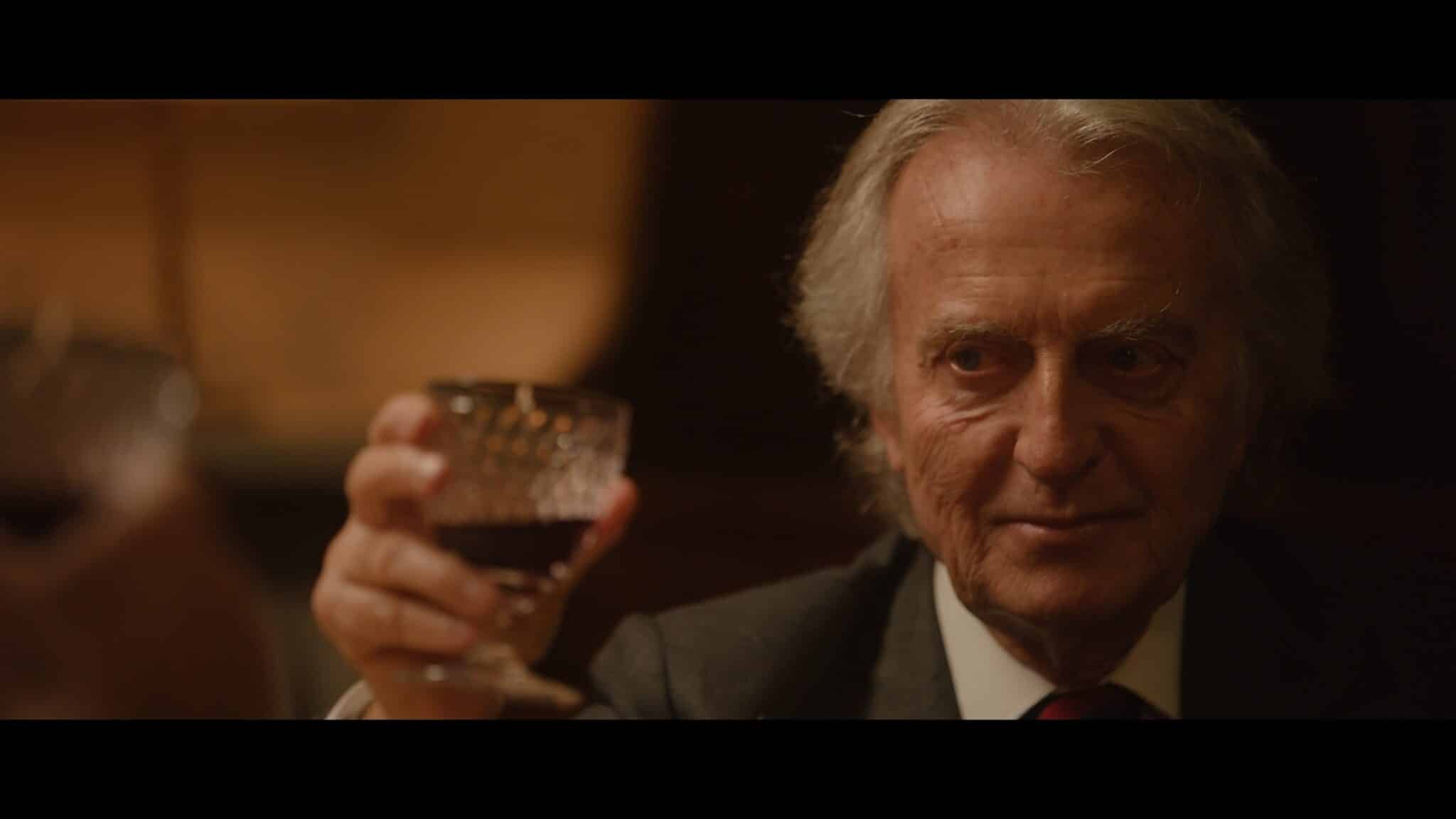
The documentary unfolds through an empathetic, engaging, almost intimate narration. The images, the archival footage (I won’t hide the fact that the looks he wore in the Ferrari paddock in the 1970s are simply iconic) and the personal stories intertwine so naturally that you find yourself watching it as if you were flipping through a great Italian industrial novel. You don’t just watch it, you devour it. Because you want to know more. You want to understand why that decision was made, why that turning point happened, why that intuition emerged.
You want to step inside the mind of someone who built something.
And Montezemolo, whether one likes him or not, was exactly that: one of the defining figures of Italian entrepreneurship over the past decades.
But there is also another feeling that runs throughout the entire documentary.
That of an Italy that seems to have disappeared.
And not only in the world of motors.
An Italy made of very strong personal relationships, of phone calls that decided industrial destinies, of real friendships, of families that were far more than simple economic dynasties.

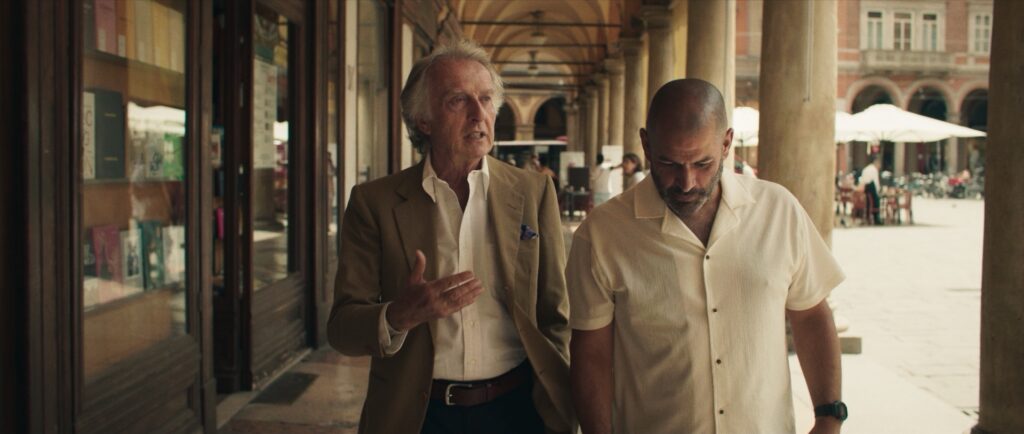
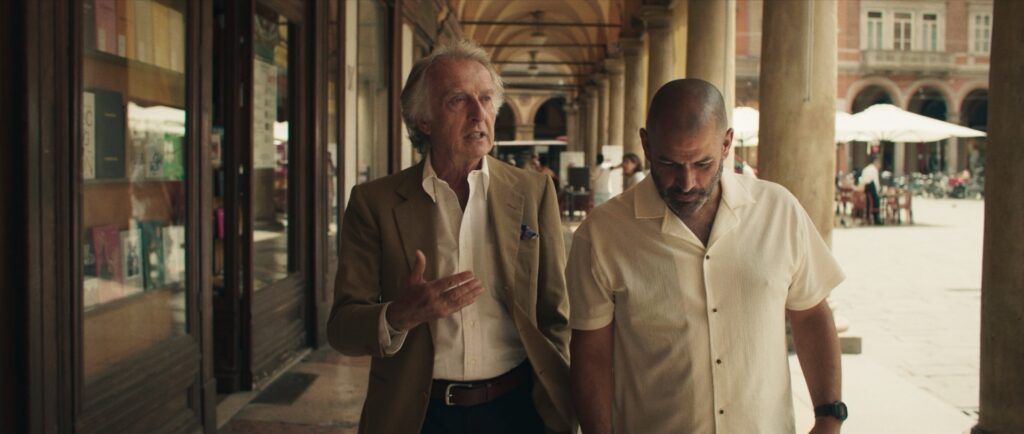
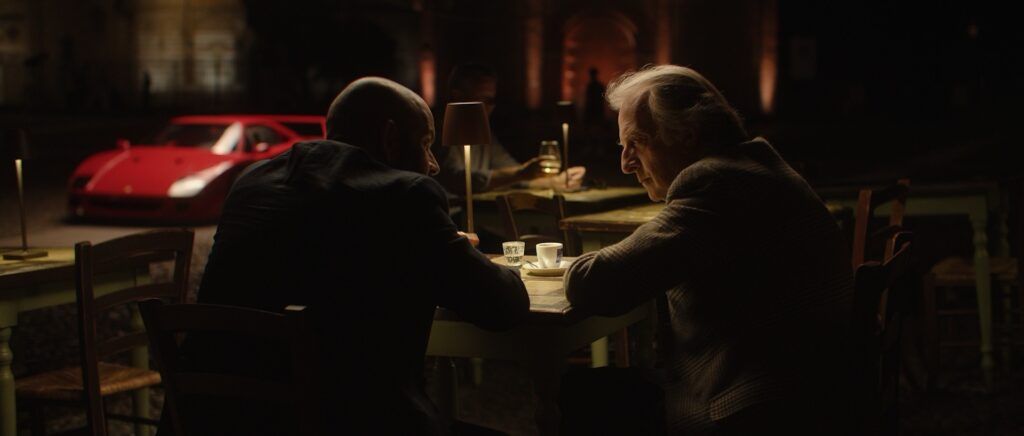
Throughout the film, British journalist Chris Harris accompanies Montezemolo, guiding the conversation and following him through memories, places, and pivotal moments of his life and career. His presence gives the story a rhythm that feels both curious and intimate, almost like a long conversation unfolding over time.
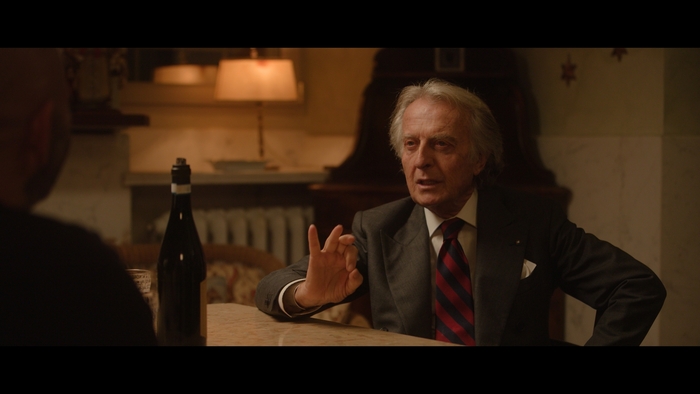
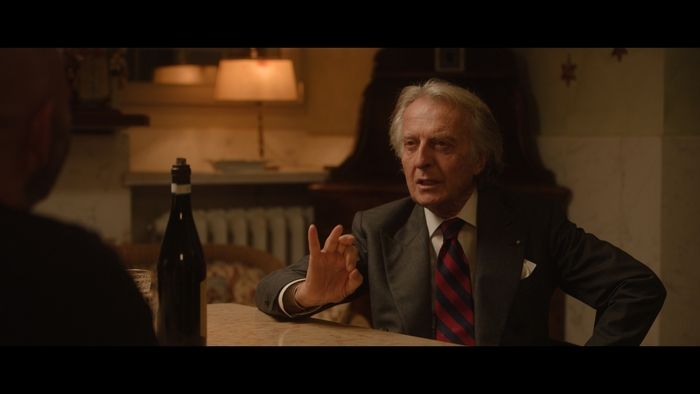
It is beautiful, for example, when Montezemolo recounts the phone calls with Enzo Ferrari, that almost father-son relationship that connected them. Or when he speaks about the Agnelli family, of whom he says he always felt an integral part, not only professionally but also on a human level.
And then the encounters that change a life.
The dramatic moment of Niki Lauda’s accident, an episode that did not only mark the driver’s career but profoundly changed the history of Ferrari as well. The arrival of Jean Todt, who came to the meeting in his Mercedes, and Montezemolo immediately understood that he would be the right man to rebuild Ferrari.
The documentary alternates these historical moments with far more personal ones.
It is beautiful to see his different estates, places that tell the story of a certain Italian way of living, but also to hear him speak tenderly about his son Lupo. Or to hear him say that true friendships in life are few. Among them is his friendship with Diego Della Valle, described with a simplicity that makes clear how much he values that bond.
There are also moments that feel almost cinematic.
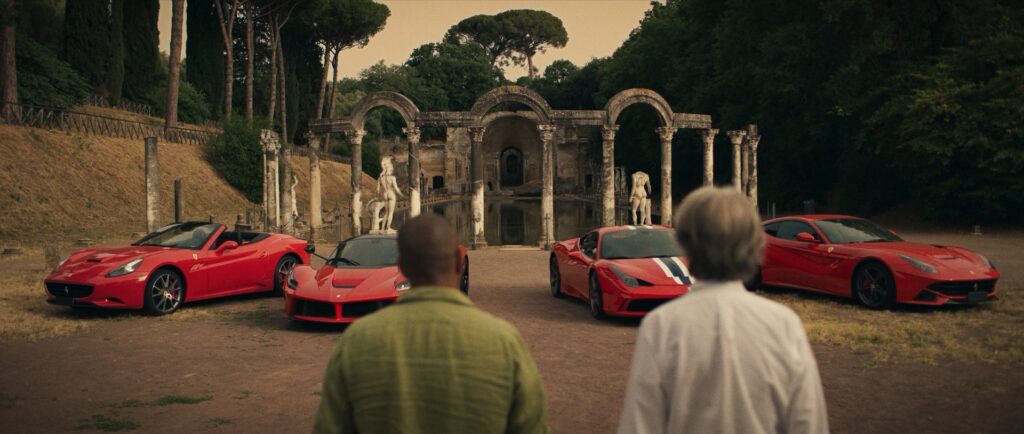
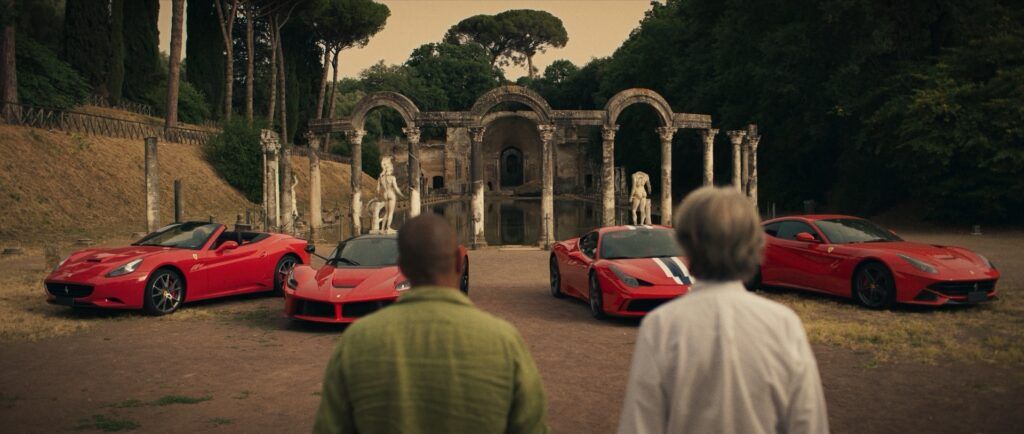
Like when he shows the wedding gift he received from Gianni Agnelli: a Ferrari 360 Modena Spider, a unique version. Harris, with perfect British irony, comments: “For my wedding gift, I got a toaster.”
And it is precisely this type of contrast, between normality and extraordinariness, that makes the story so fascinating.
In the documentary Montezemolo also explains lesser-known but very significant decisions: why Italo was born, for example, and the vision behind the idea of breaking the high-speed rail monopoly in Italy. Or how the decision matured to bring Formula 1 to Bahrain, sensing long before many others that the Middle East would become central to global sport.
In the end, what remains is the feeling of having crossed a season of Italian history made of courage, ambition, intuition, and deeply human relationships.
A season that today seems to belong almost to another time.
And perhaps this is precisely why Sognando Rosso works so well.
Because it doesn’t simply tell the story of Montezemolo’s life.
It tells also of that elegant, brilliant, and deeply fascinating Italy he was part of, an Italy that today seems to no longer exist.
Always fashion. Always Paris. Always black.
Emanuela
Recent
Articles
Recent
-
Vogue World Milan 2026
-

Did I Really Miss Fashion?
-

Finding My Way Back
-
Jean Dessès and Madame Grès: The Two Haute Couture Legends My Mother Introduced Me To
-
Why Haute Couture Still Makes Me Dream?
-

Dua Lipa’s Italian Summer Look
-
Why I Still Love Sex and The City
-

Why does someone choose to buy a fake designer bag?
-
Fashion Nostalgia: Are We Still Dreaming or Just Looking Back?
-
Fashion News at the Speed of Light: Gucci in Formula 1, Achille Lauro at Dondup, Givenchy’s New Chapter and Blake Lively’s Beauty Collapse