

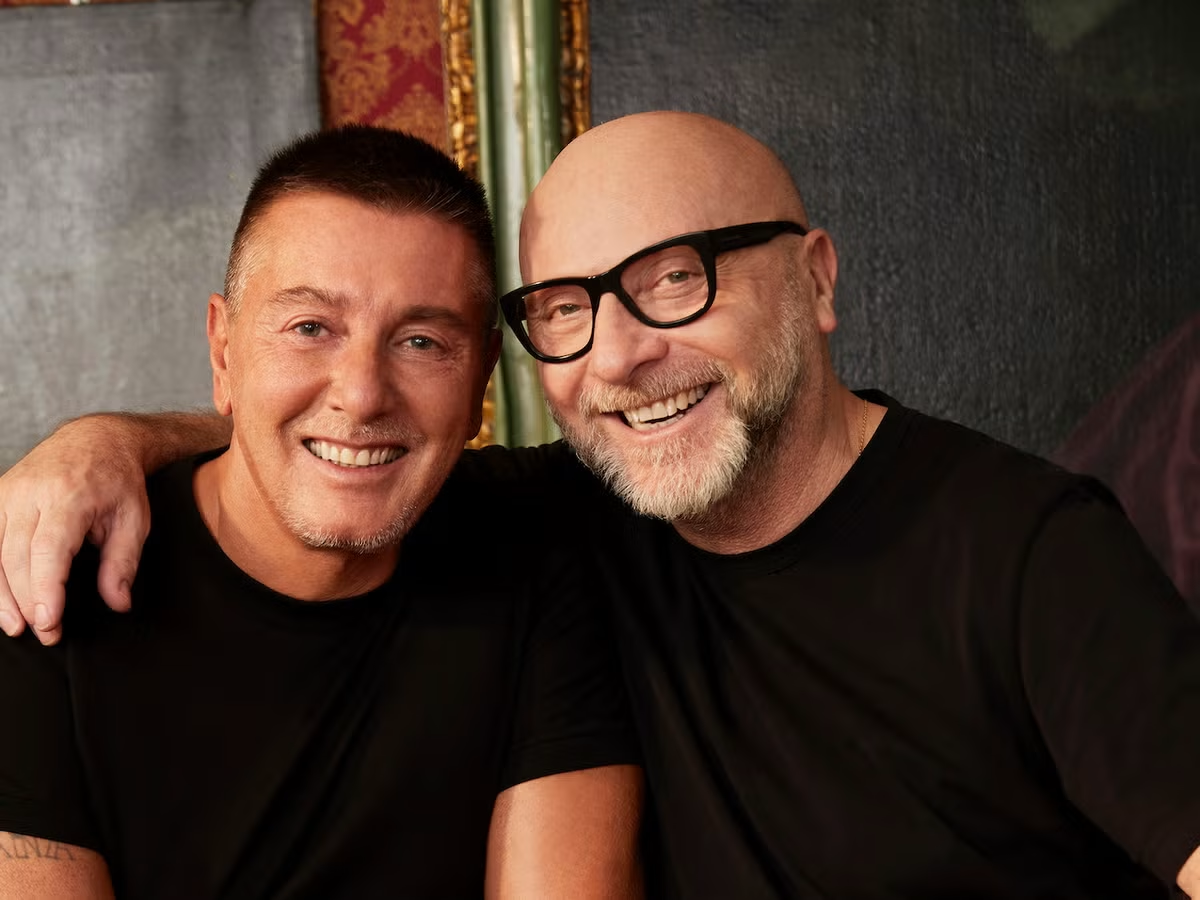
Stefano Gabbana Steps Down as President of Dolce & Gabbana, What Is Really Happening Inside the House
Bonjour fashion lovers,
When the word resignation appears in fashion, the immediate reaction is always the same, people assume a fracture, a crisis, a creative split. In the case of Stefano Gabbana, however, the story is far more nuanced, and perhaps far more revealing of the moment Dolce & Gabbana is living through.
The designer has stepped down as president of the company, with the role now passing to Alfonso Dolce, brother of Domenico Dolce and a long-standing central figure in the business side of the group. On paper, it may sound like a technical, almost administrative development. In reality, it arrives at a very specific moment, one that suggests Dolce & Gabbana is entering an important new phase in its history.
To understand what is happening, it is essential to start from one detail that is often overlooked when speaking about major luxury brands. Dolce & Gabbana is one of the very few truly independent maisons left. In a landscape dominated by giant conglomerates such as LVMH and Kering, groups that control dozens of brands and can absorb huge investments with relative ease, the house founded by Domenico Dolce and Stefano Gabbana continues to operate with a very different structure, more autonomous, certainly, but also far more exposed.
Independence in luxury sounds romantic, even heroic, but it also means something extremely concrete. Every major investment must be carried directly by the company itself, without the financial protection of a larger group behind it. In recent years, Dolce & Gabbana has embraced precisely this challenge, pushing into a far more ambitious phase of expansion that goes well beyond fashion and into the construction of an entire lifestyle universe.
The first major bet was beauty. In 2023, the house chose to bring the management of its fragrances and cosmetics back in house, after years in which that business had been handled through licensing agreements. At first glance, it may seem like an obvious move, even a natural one. In reality, it represents a serious industrial shift. Bringing beauty in house means building a complex structure from the ground up, product development, global marketing, distribution, retailer management and international commercial strategy. It is the kind of move that requires enormous capital and, above all, patience, because profitability does not arrive overnight.
At the same time, the brand began moving into another territory altogether, hospitality and luxury real estate. Hotels, residences and property projects designed to transform the Dolce & Gabbana aesthetic into something immersive, something to inhabit rather than simply wear. It is an alluring direction for a house that has always sold not only clothing, but an entire world, a fantasy, a way of life. Yet here too, the logic is the same, significant investment now, possible returns much later.
The issue is not simply that these projects are ambitious. It is that they were launched almost simultaneously, precisely at a moment when the global luxury market began to slow after years of extraordinary growth. Between 2024 and 2025, several major groups recorded a cooling in demand, especially in Asia and China, markets that had powered the industry for more than a decade. In that context, even a strong and highly recognizable brand like Dolce & Gabbana inevitably finds itself managing a more complex financial structure, with major investments underway on multiple fronts and bank debt becoming part of the equation needed to sustain expansion.
This is the context in which Stefano Gabbana’s decision to step down as president should be read. It is not a creative separation, nor does it suggest any fracture with Domenico Dolce, because the duo remains at the heart of the brand’s identity and aesthetic vision. What changes instead is the balance between creativity and corporate management, a shift that often becomes necessary when a maison evolves into a far more complex international business.
Handing the presidency to Alfonso Dolce strengthens the managerial and financial side of the company, while allowing the founders to remain increasingly focused on creative direction and on the image of the house. It is not an ending, but rather a transition, the kind of transition that marks the moment when a fashion house stops being defined solely by its founders’ vision and begins to function as a larger, more structured global system.
And yet there is one detail that makes this story even more compelling. According to financial speculation circulating around the luxury industry, Stefano Gabbana may be evaluating the future of his stake in the company, a participation believed to be around 40 percent of the group. There has been no official confirmation, and this does not necessarily mean a sale will happen, but the fact that such a possibility has entered the conversation changes the way these resignations can be interpreted.
If that scenario were ever to take shape, stepping down from the presidency would no longer read simply as a managerial reshuffle. It could also be seen as the beginning of a broader reflection on the ownership future of the house itself.
And that is where the story becomes especially interesting.
In an era in which global luxury is dominated by massive conglomerates, Dolce & Gabbana remains one of the last great fully independent maisons. For years, Domenico Dolce and Stefano Gabbana have defended that independence fiercely, almost as a declaration of identity. But the brand’s growth, its expansion into beauty, its move into hospitality and the increasing complexity of the global market make that independence more demanding than ever.
So perhaps the real question is not why Stefano Gabbana stepped down as president. The more interesting question is how difficult it has become today to remain independent in global luxury.
Always fashion. Always black. Always Paris. Emanuela
Recent
Articles
Recent
-
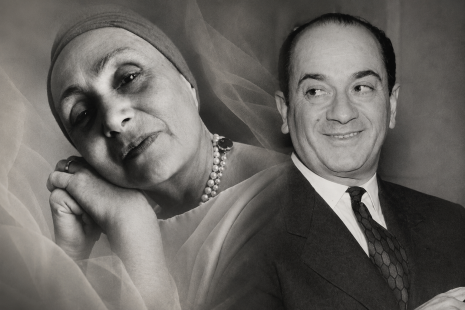
Jean Dessès and Madame Grès: The Two Haute Couture Legends My Mother Introduced Me To
-
Why Haute Couture Still Makes Me Dream?
-

Dua Lipa’s Italian Summer Look
-
Why I Still Love Sex and The City
-
Why does someone choose to buy a fake designer bag?
-
Fashion Nostalgia: Are We Still Dreaming or Just Looking Back?
-
Fashion News at the Speed of Light: Gucci in Formula 1, Achille Lauro at Dondup, Givenchy’s New Chapter and Blake Lively’s Beauty Collapse
-
Luxury Can't Exist Without Human Hands
-
Laetitia Casta in Armani - Cannes Film Festival 2026
-
Audemars Piguet x Swatch And The Luxury Industry’s Obsession With Pop Culture
