


Luxury Can't Exist Without Human Hands
Bonjour fashion lovers,
in recent days, also thanks to the Italian television program Report, there has been a lot of talk about the strike involving Kering in Italy, with demonstrations in Scandicci, Tuscany, and protests linked to the layoffs announced by the new administrative direction, entrusted to Luca De Meo, in the midst of a crisis that continues to hit the luxury sector. It is a story that concerns the women and men working for brands such as Alexander McQueen, Gucci, Saint Laurent, Bottega Veneta, Balenciaga and other names that have represented, and still represent, the dream of Made in Italy around the world.
In recent months, we have talked a great deal about the luxury crisis, declining revenues, corporate strategies, creative changes, think of Galliano’s decision to say yes to Zara, the slowdown of the Chinese market, and the loss of desirability of some brands. But far less often do we pause to think about the people who experience this crisis on their own skin, far from the runways and million-dollar advertising campaigns.
And perhaps this is also why I felt the need to write this Cappuccino Time.
Because for me, fashion has never been only image and dream. I cannot look at this industry thinking exclusively about glamour, celebrities or Instagram algorithms, even though they are part of me, my work and my passion. Probably because I grew up watching mamma Filomena work as a seamstress. And anyone who grows up beside a seamstress learns very early that behind a dress there is always a human being.
There are invisible hours of work. There are worn hands. There is fatigue. There is the almost obsessive precision required by this craft to bring an idea to life or to satisfy a client. There is the sacrifice of those who build beauty without almost ever appearing in the final photograph.
I remember how much mamma Filomena loved seeing Pierpaolo Piccioli pay tribute to the ateliers, walking out beside them at the end of Valentino shows, or the relationship of absolute trust and respect with head seamstress Elide, told in the documentary dedicated to her beloved Valentino. Because those who truly know this craft also know that fashion is never born from one person alone.
Perhaps this is also why I struggle when I see fashion being told only as fast entertainment. As if it were an endless stream of looks to judge in a few seconds, bodies to destroy in the comments, trends to consume and forget immediately after.
Perhaps this is also why I felt hurt seeing how little attention my post dedicated to this story received.
The truth is that fashion is a gigantic machine made of real people. People who often remain invisible until a crisis, a strike or a collective layoff arrives.
And I find it deeply symbolic that all this is happening at a historical moment in which luxury continues to sell increasingly expensive dreams, while on the other side grows the fear of losing stability, work and future.
I am not writing this article to be moralistic. I still love fashion deeply. I love the dream, the aesthetic, the runway shows, the creativity. I always will. But I believe that truly loving fashion also means respecting those who make it possible every day, far from the spotlight.
Because without those people, without those seamstresses, without those hands, without that invisible labor, luxury simply would not exist.
Emanuela Formoso – Founder & Editor, The Fashion Lover.
Always fashion, always black. Always Paris.
Recent
Articles
Recent
-
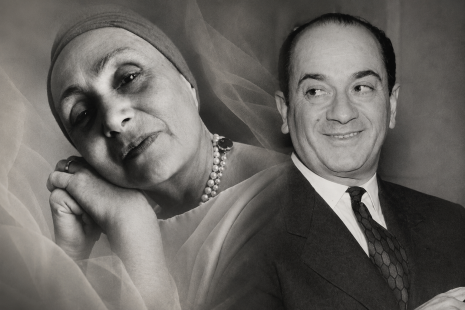
Jean Dessès and Madame Grès: The Two Haute Couture Legends My Mother Introduced Me To
-
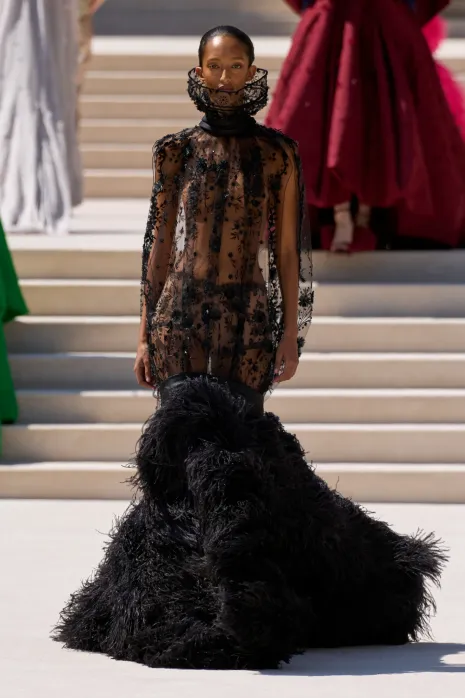
Why Haute Couture Still Makes Me Dream?
-

Dua Lipa’s Italian Summer Look
-
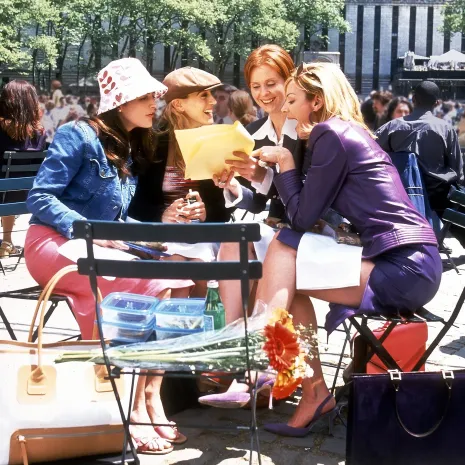
Why I Still Love Sex and The City
-
Why does someone choose to buy a fake designer bag?
-
Fashion Nostalgia: Are We Still Dreaming or Just Looking Back?
-
Fashion News at the Speed of Light: Gucci in Formula 1, Achille Lauro at Dondup, Givenchy’s New Chapter and Blake Lively’s Beauty Collapse
-
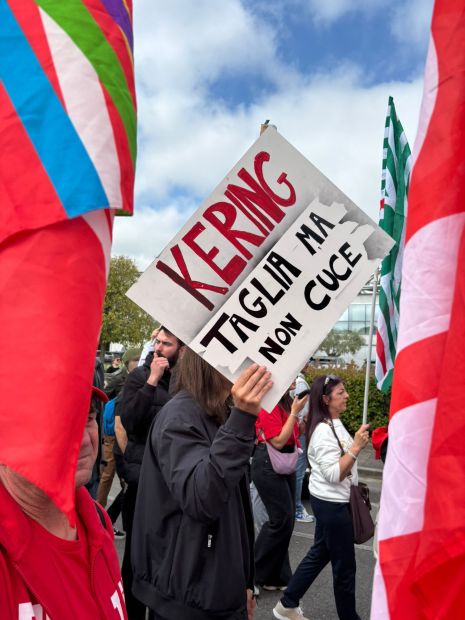
Luxury Can't Exist Without Human Hands
-
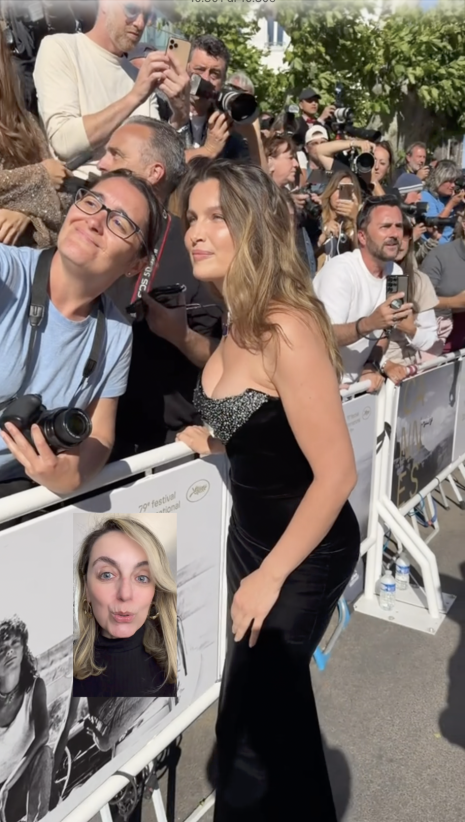
Laetitia Casta in Armani - Cannes Film Festival 2026
-
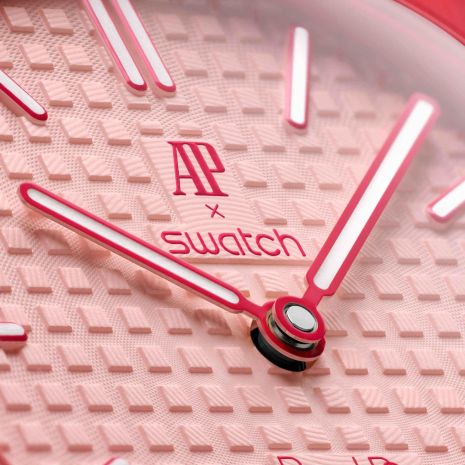
Audemars Piguet x Swatch And The Luxury Industry’s Obsession With Pop Culture
