Valentino at the Met Gala 2026: Alessandro Michele Turns the Red Carpet Into Fashion Art
Bonjour fashion lovers,
there are moments in fashion that don’t simply dress a red carpet, but subtly shape its language and its aesthetic.
At the Met Gala 2026, Maison Valentino did not simply present a series of looks to admire. It built a constellation of identities, each one defined by the vision of Alessandro Michele, in what we could describe as a true narrative gesture for the Maison beyond the fashion show.
What immediately stands out with Alessandro Michele is the strength, the freedom to construct stories rather than outfits.
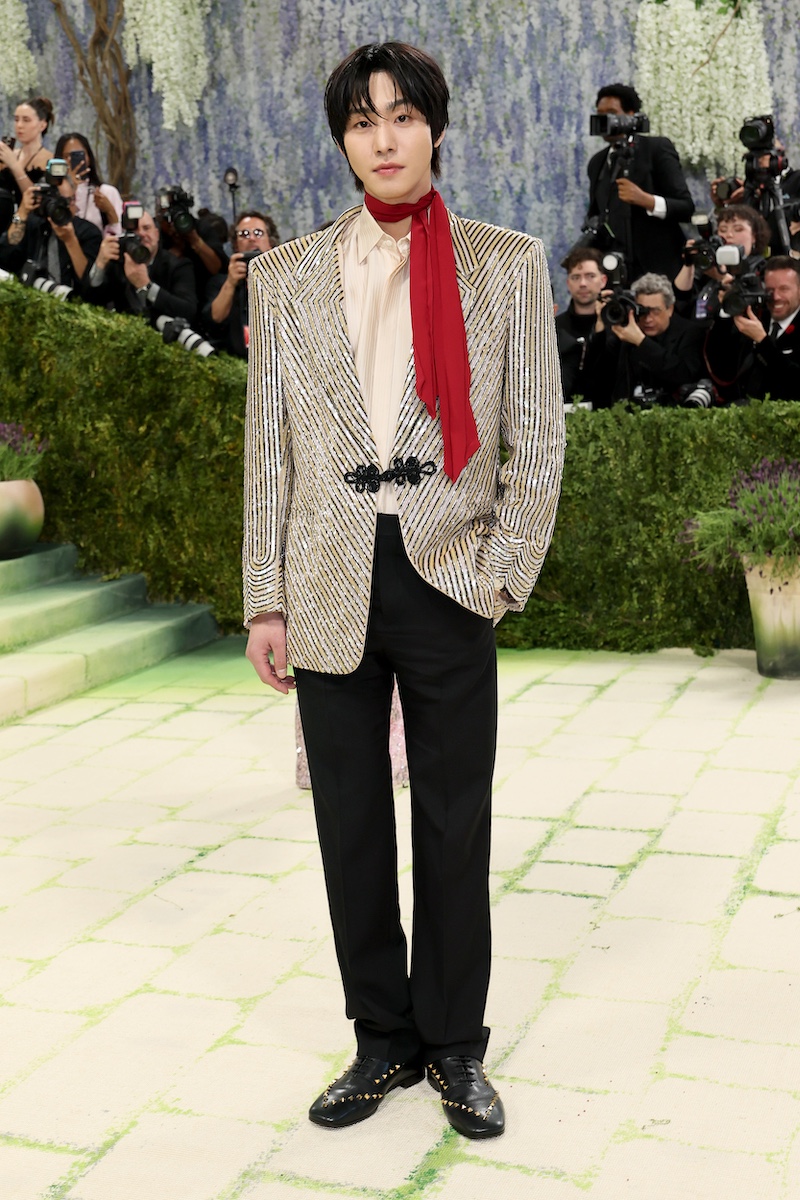
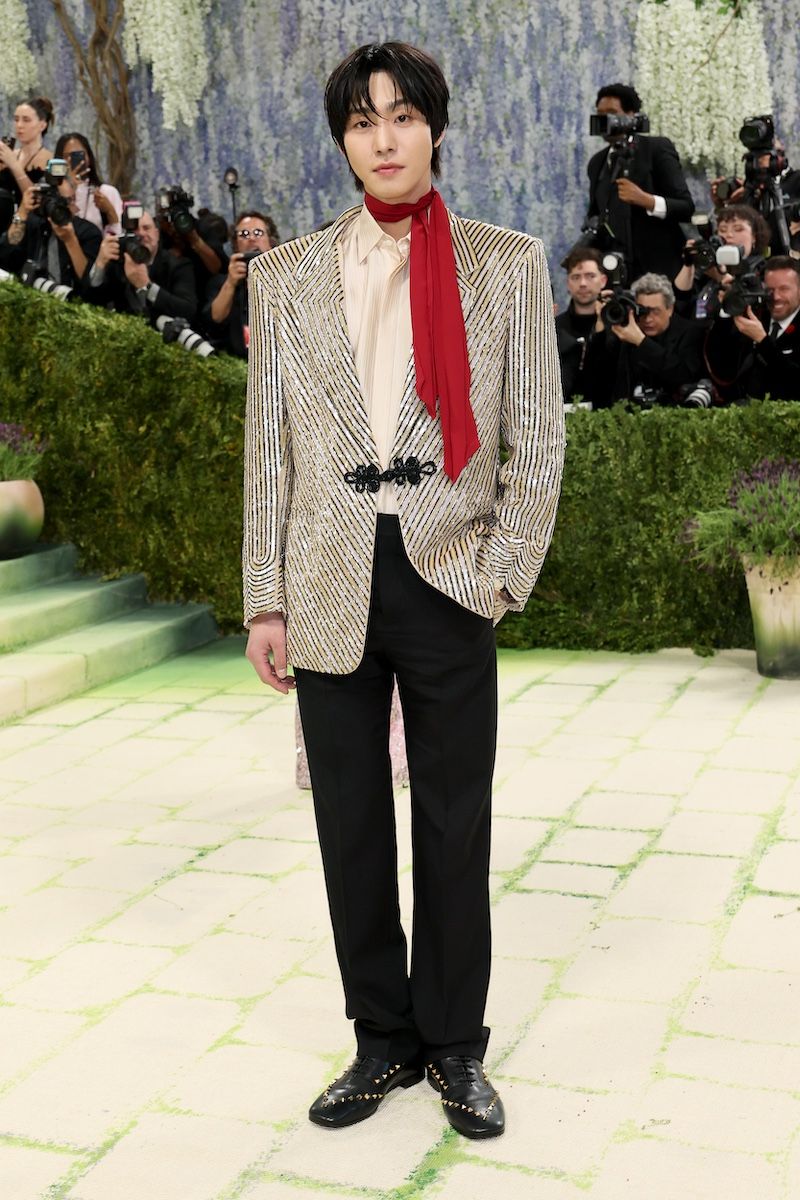
The look worn by Ahn Hyo-seop is perhaps the clearest example: a sequin and baguette-embroidered jacket, crafted with sartorial precision, yet disrupted by a red silk ascot that introduces a note of fragility, almost poetic. This is no longer the classic Valentino man, but an identity in motion.
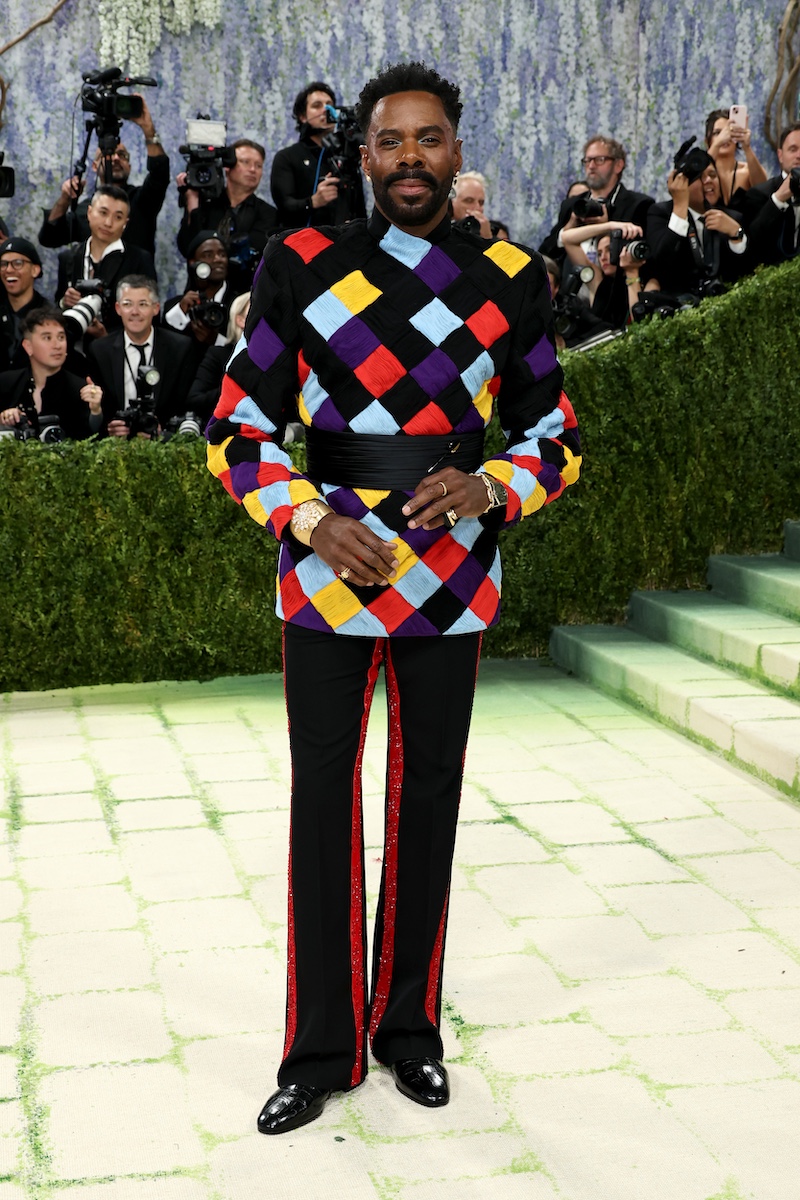
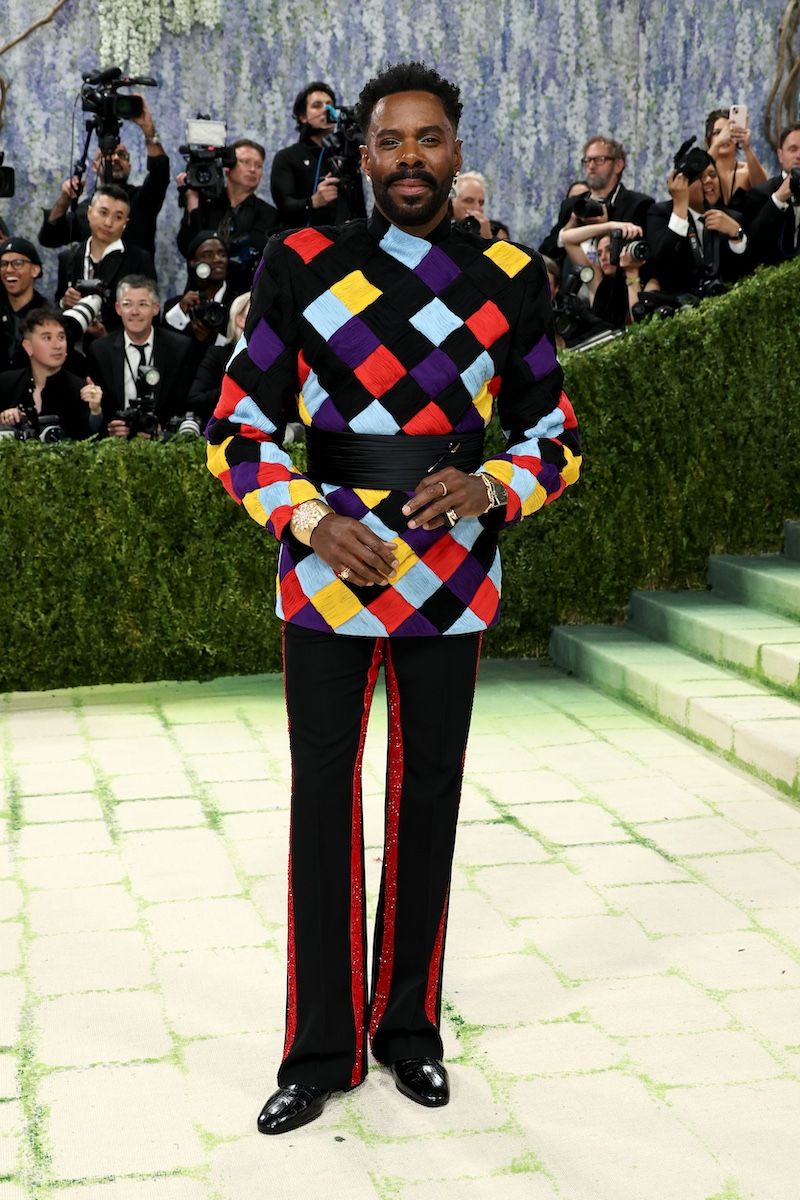
With Colman Domingo, the narrative shifts completely. The harlequin motif, which we have loved since its very first appearance, created through hundreds of hours of manual craftsmanship, up to over 200 hours of construction and more than 100 hours of embroidery, transforms the body into a pictorial surface, we could almost call it fashion as art. This is not about elegance in the traditional sense, but about expression. Color becomes a statement.
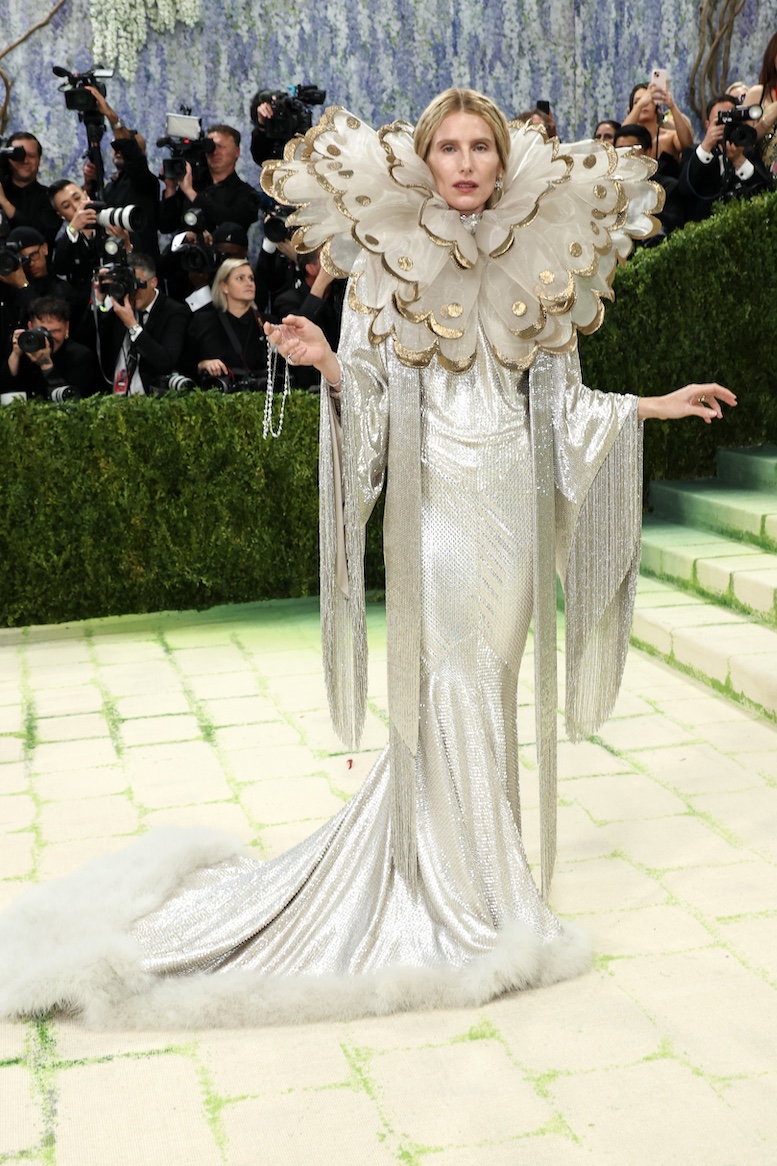
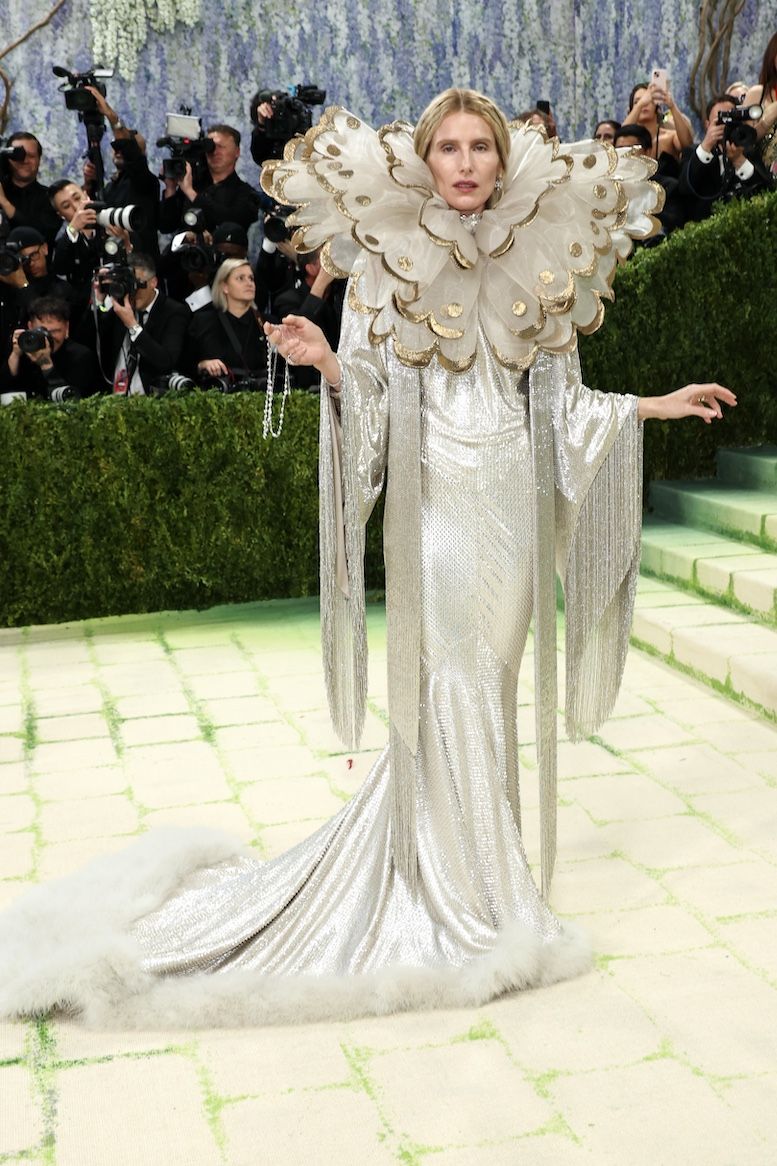
Dree Hemingway brings pure couture to the red carpet, wearing a look from the Specula Mundi Haute Couture collection, composed of lurex, fringes, feathers and a theatrical collar that feels as though it belongs on a stage. Ohhh, that sense of theatre which, with Alessandro Michele, becomes pure poetry. This is not an event dress, it is a vision.
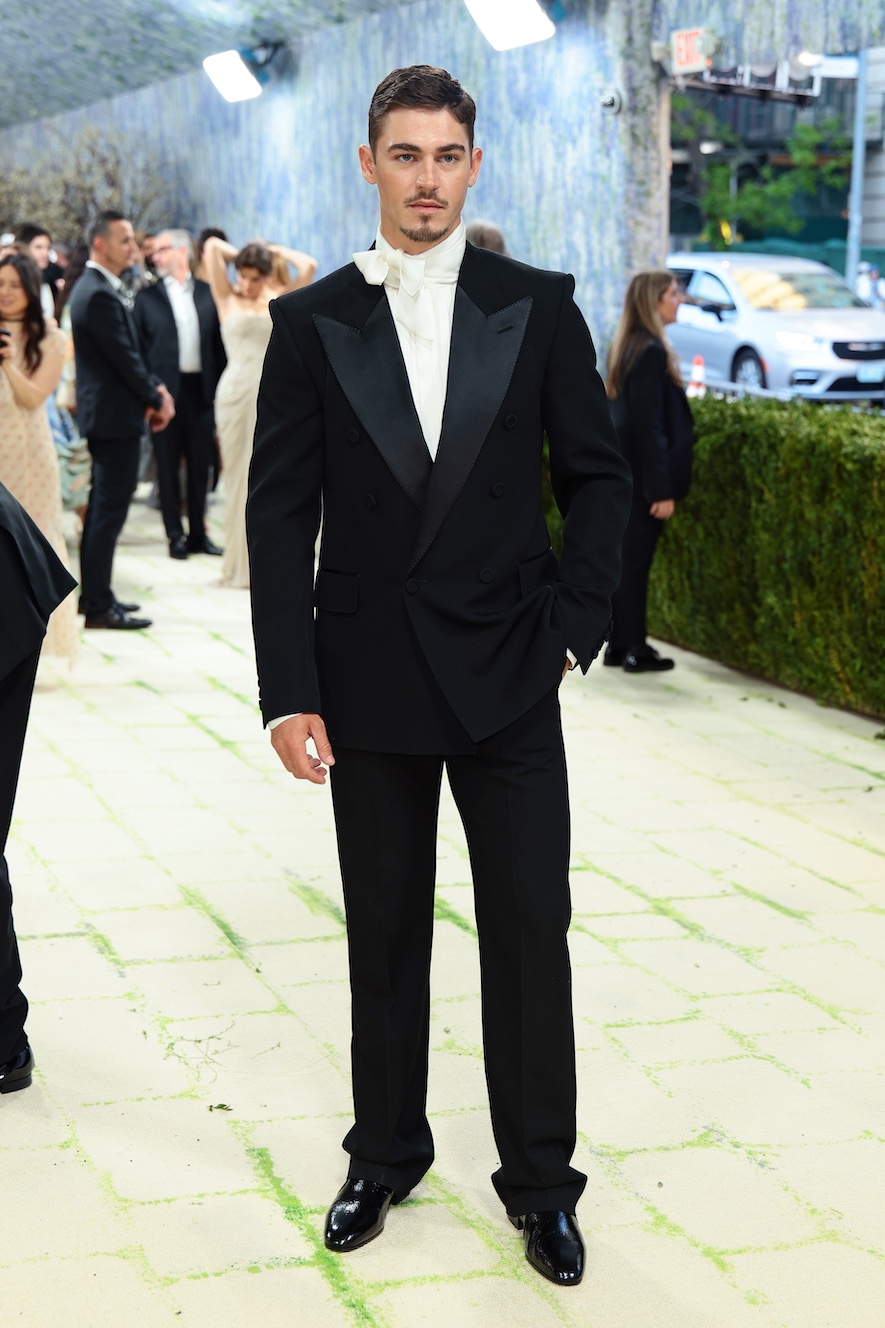
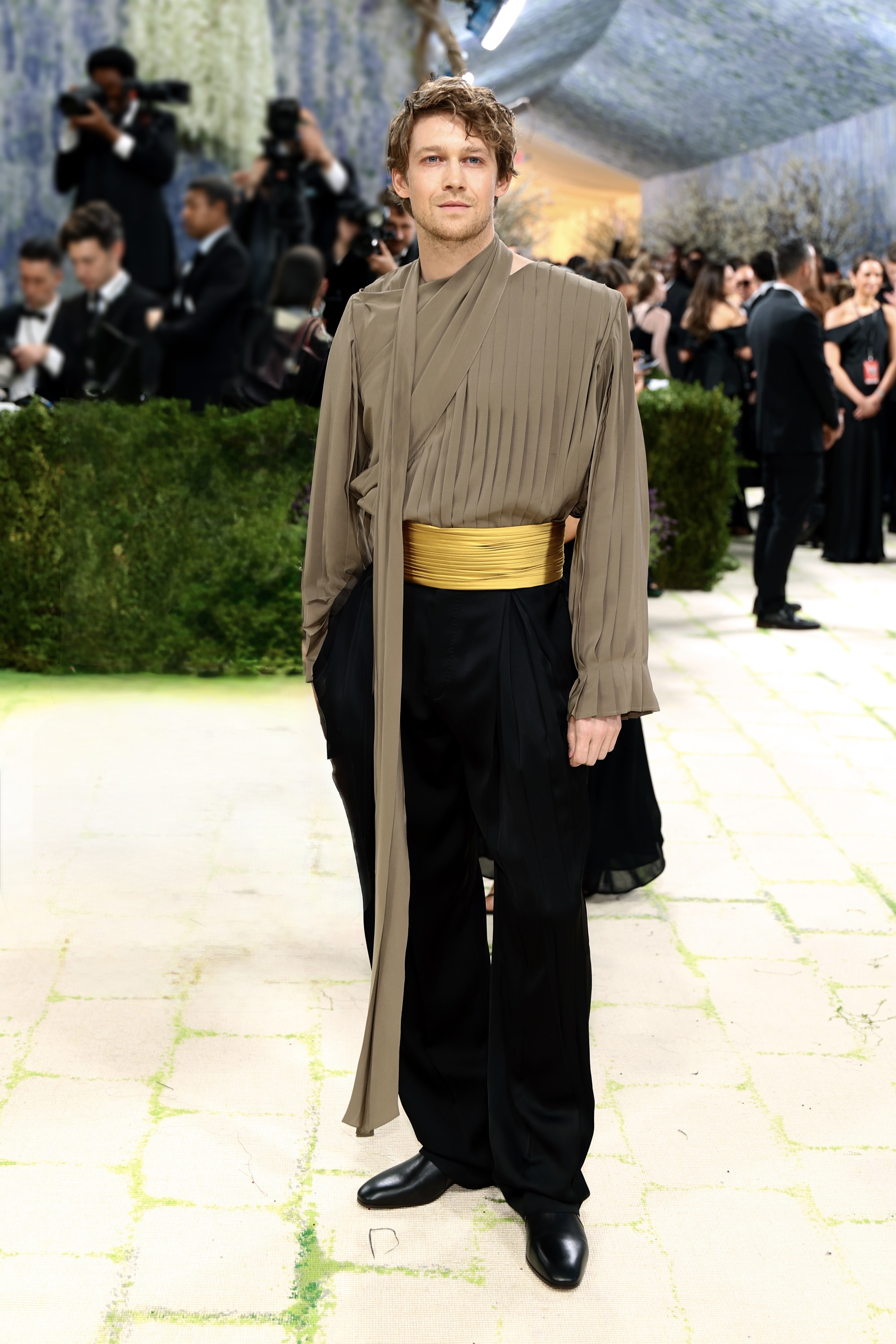
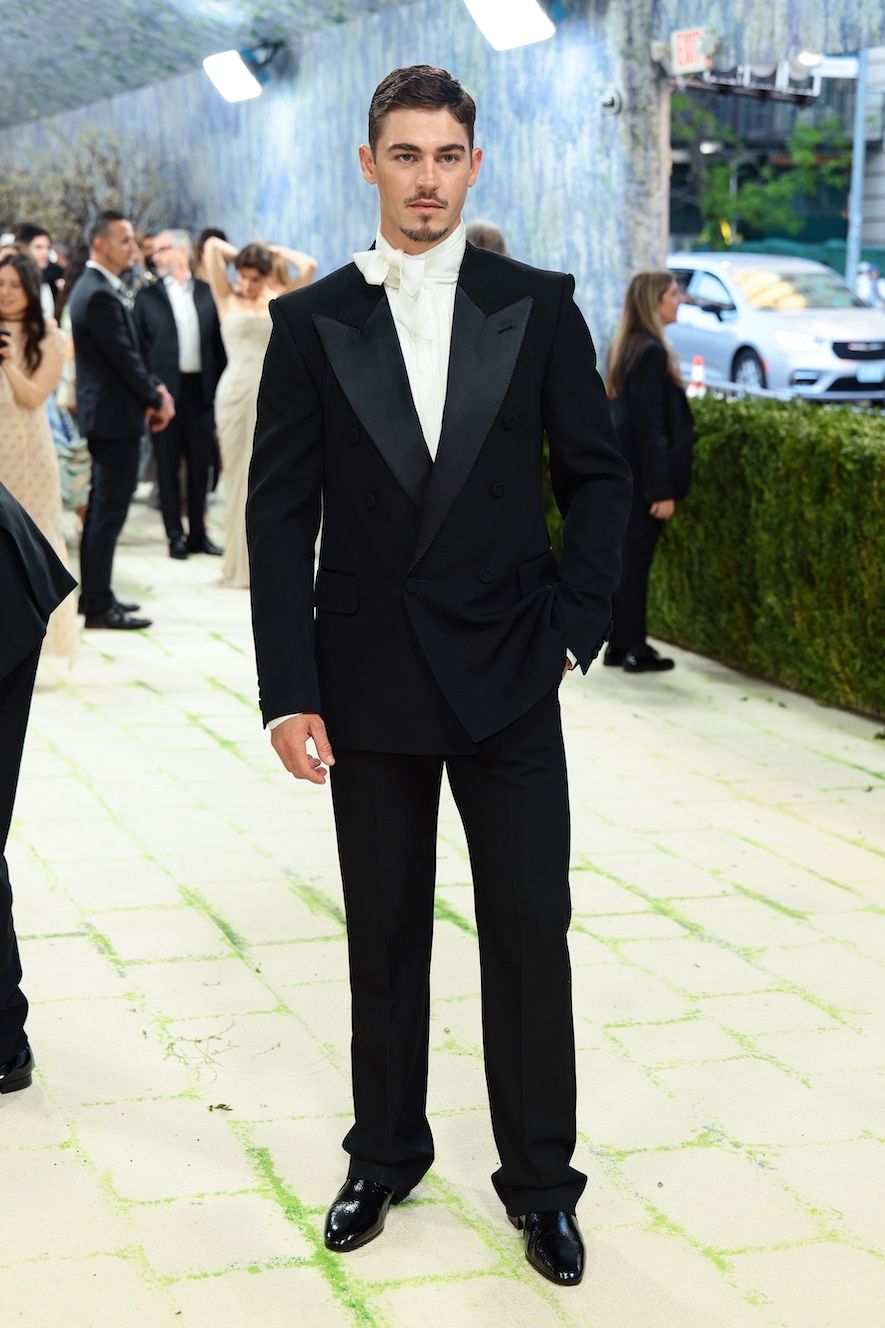
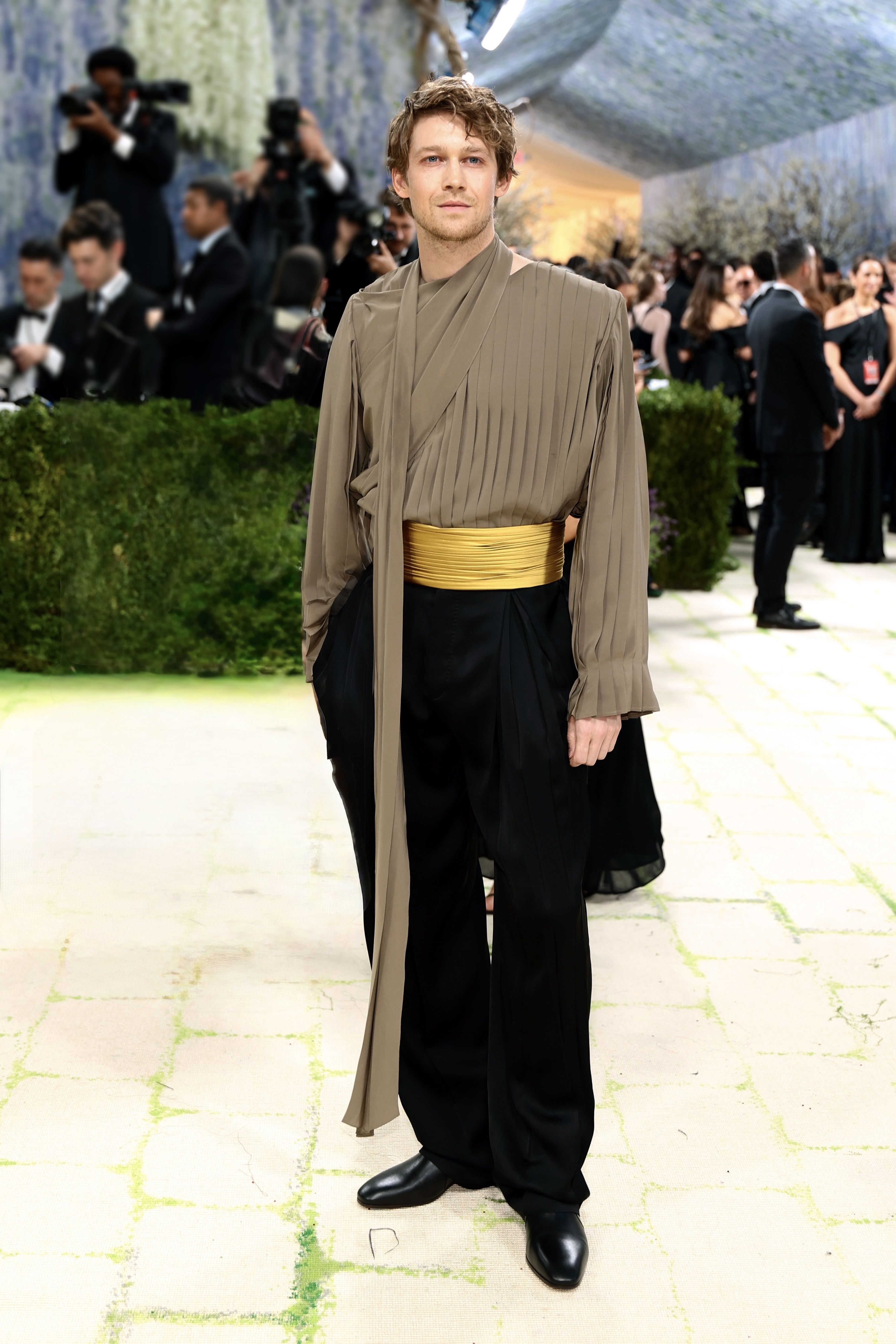
In the case of Hero Fiennes Tiffin and Joe Alwyn, the idea of tailoring remains, but its tone evolves. It becomes less rigid, more narrative, shaped by draping and details that soften its formal structure. The classic does not disappear, it transforms.
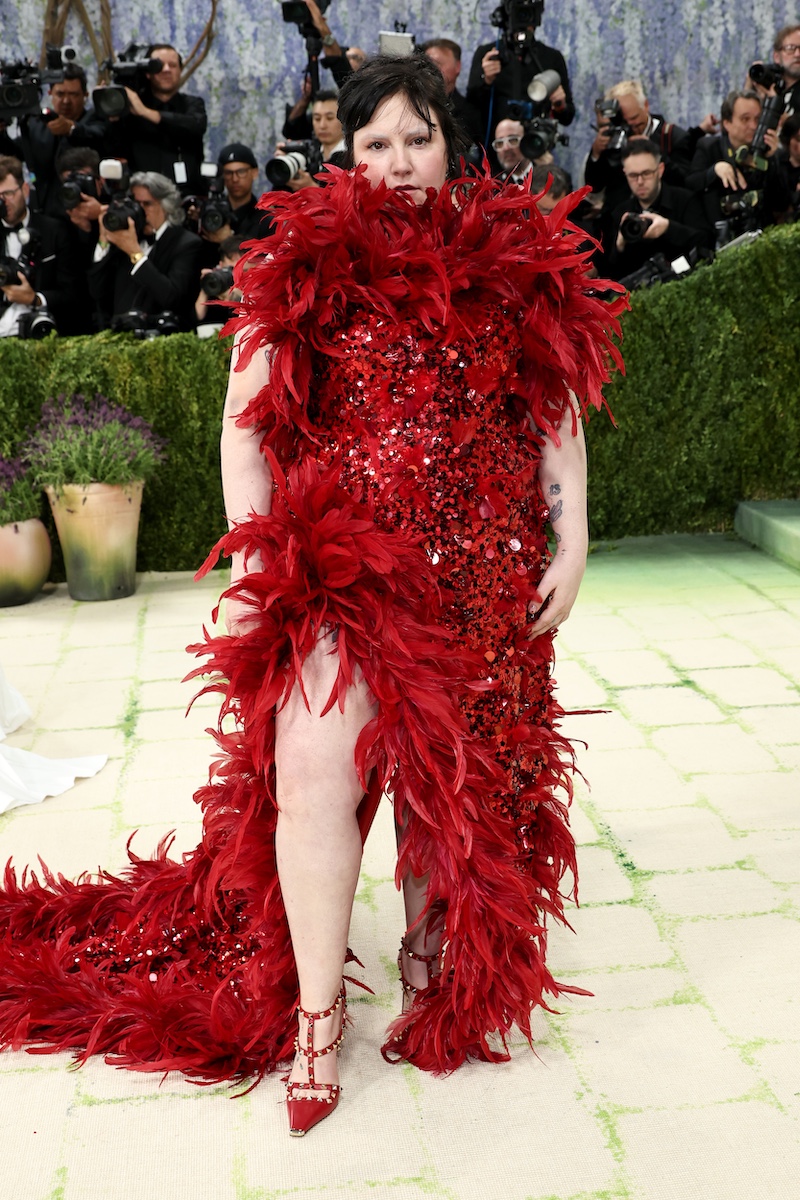
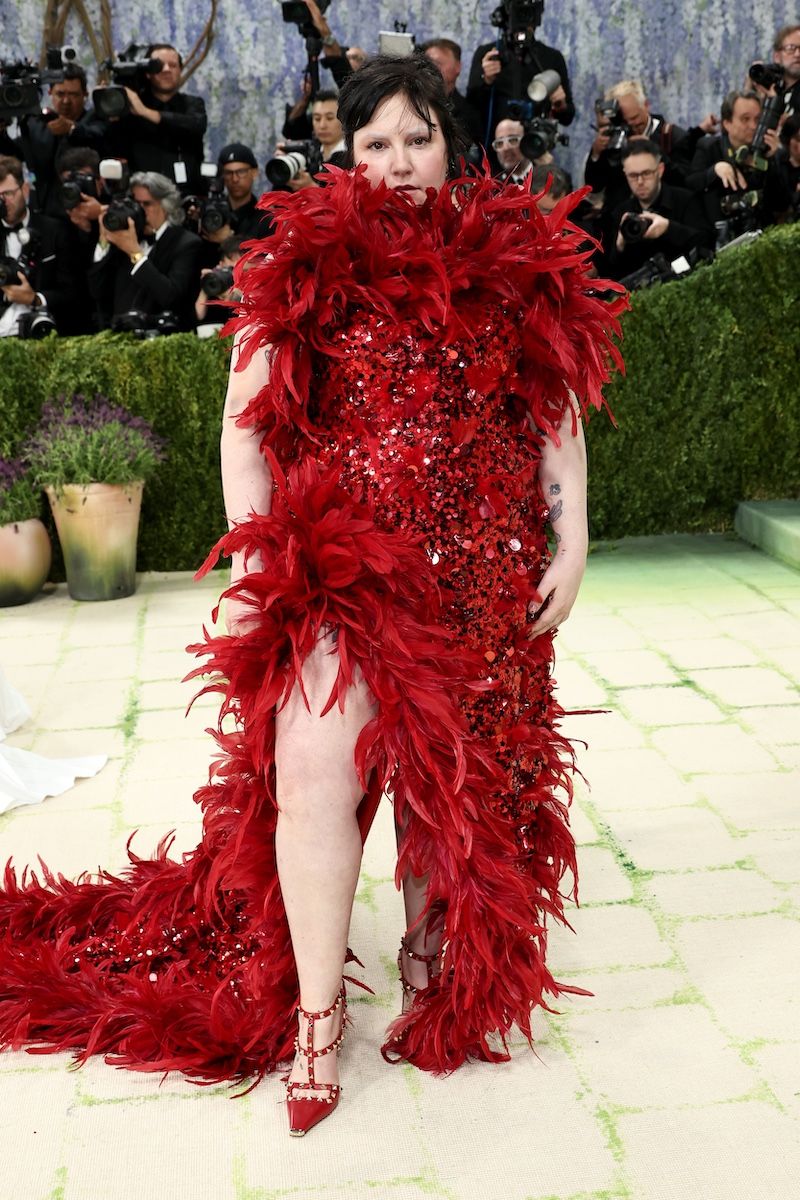
One of the most powerful moments is undoubtedly Lena Dunham. Her red dress, richly embroidered and crossed with feathers, completely redefines the relationship between body and garment. Here, Valentino does not impose a silhouette, it builds a presence.
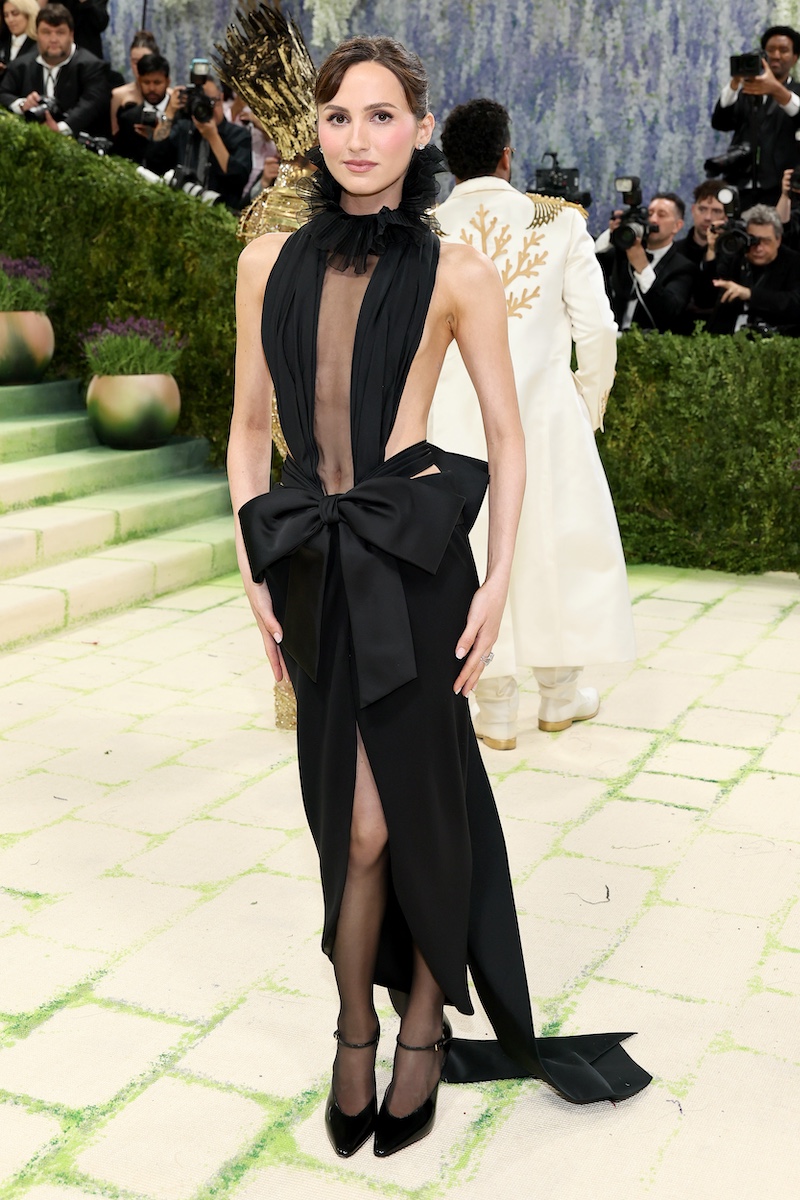
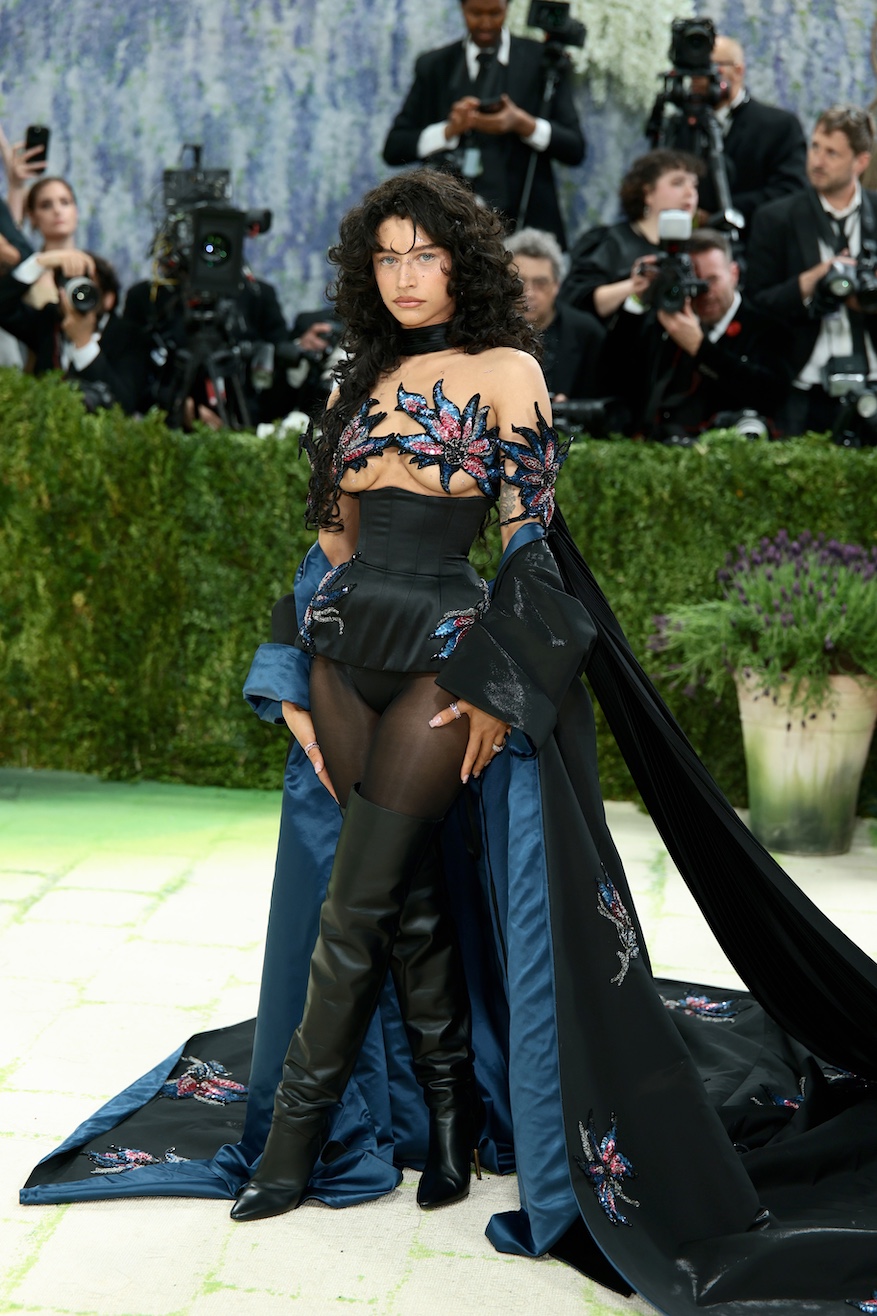
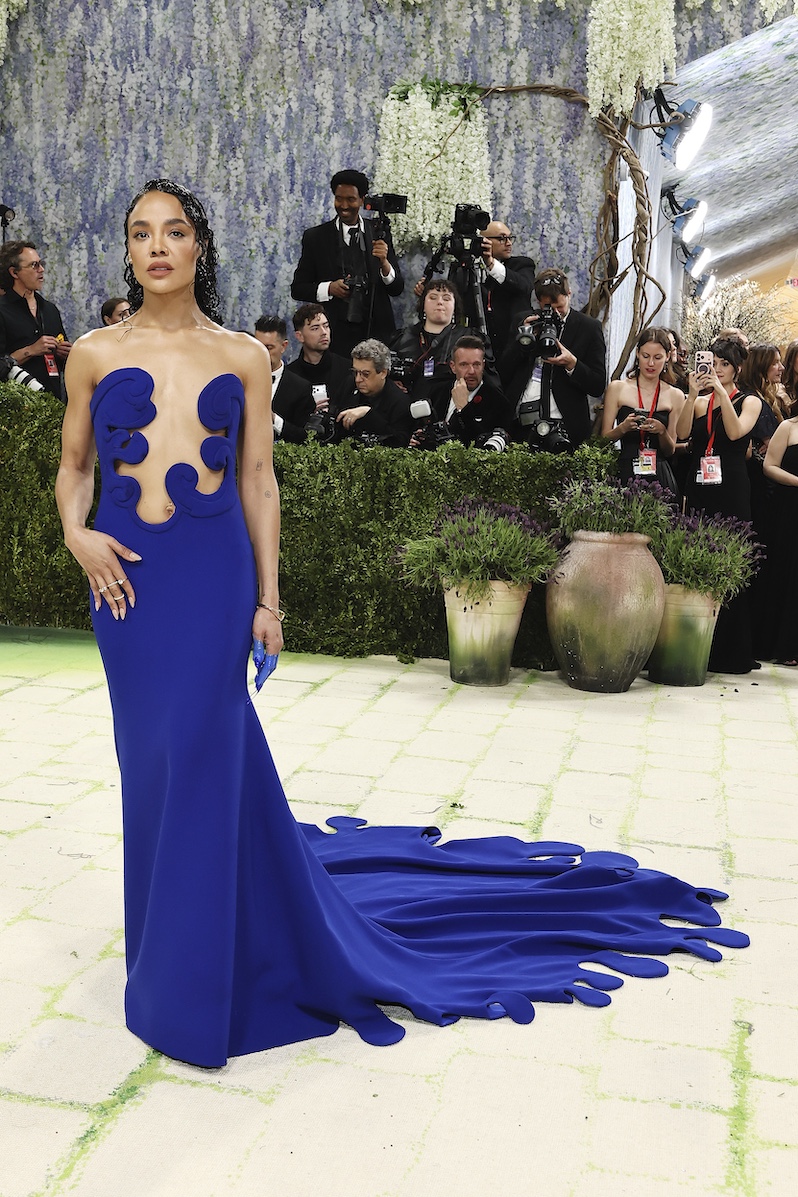
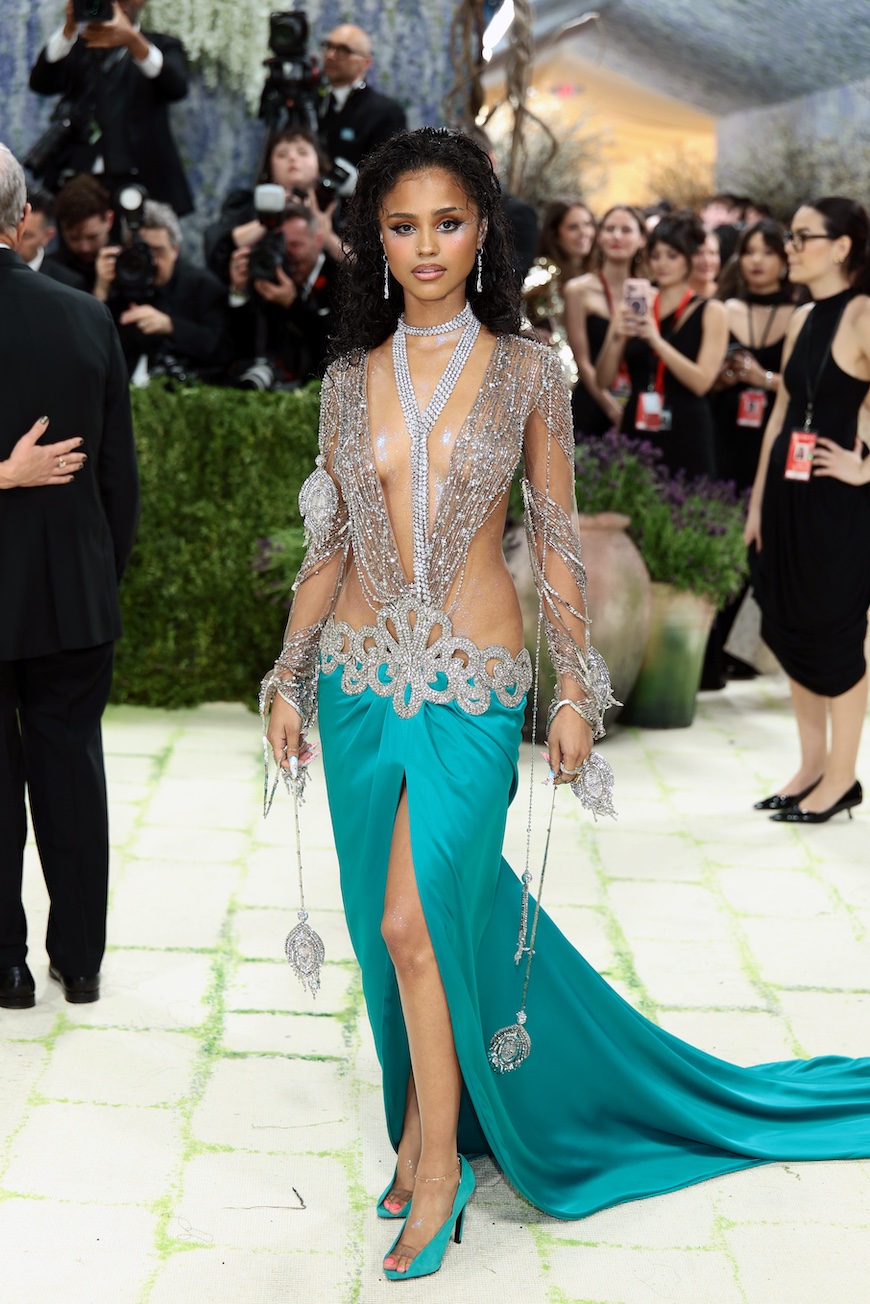
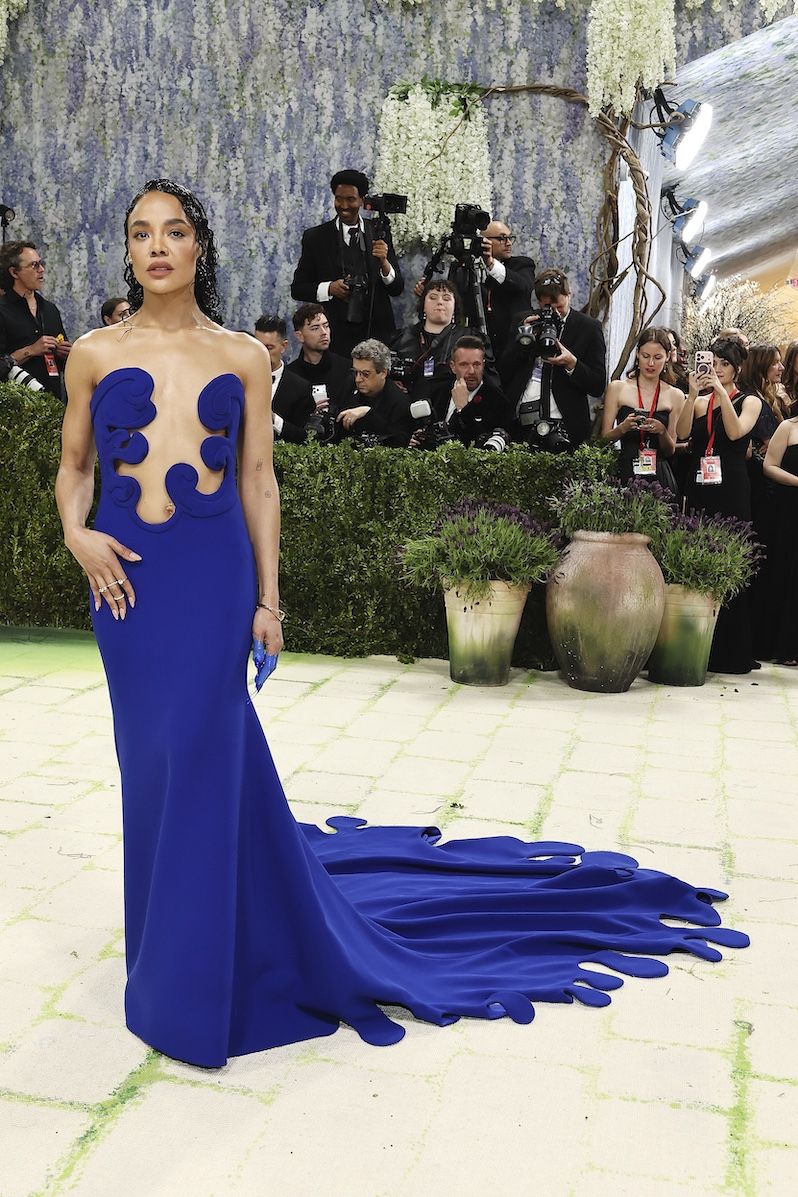
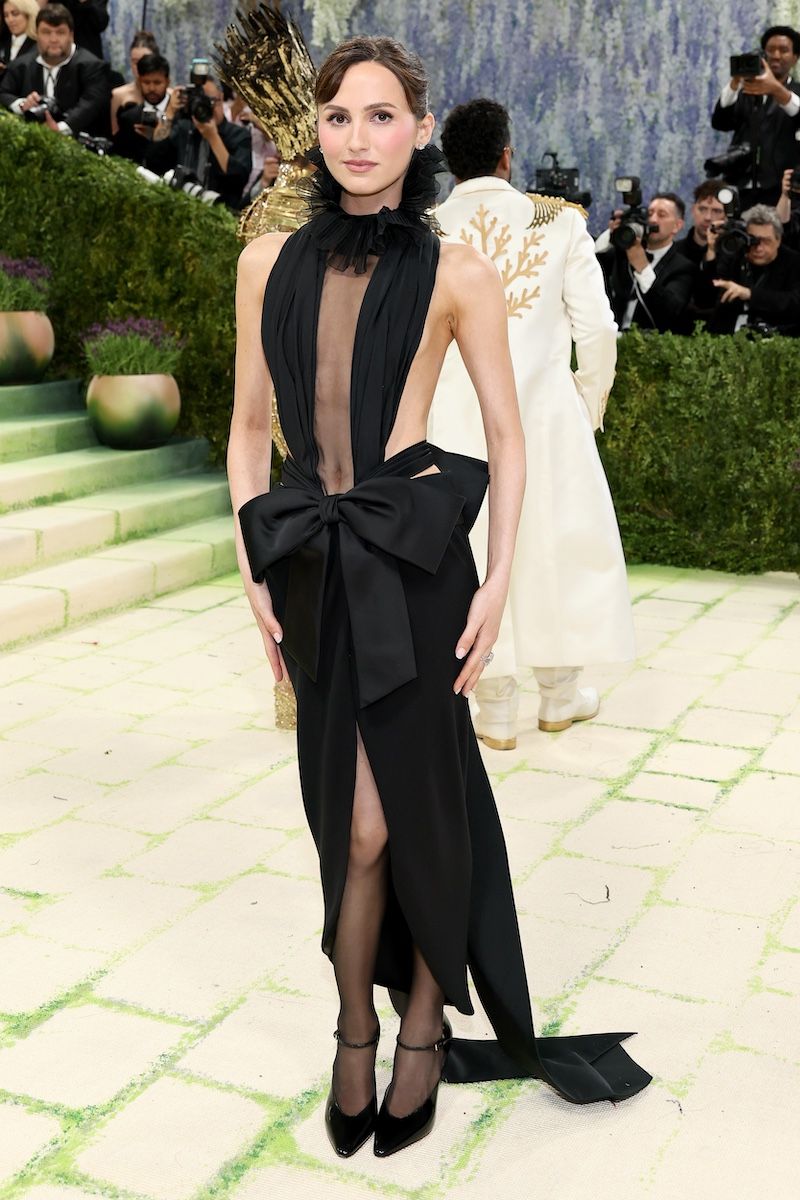
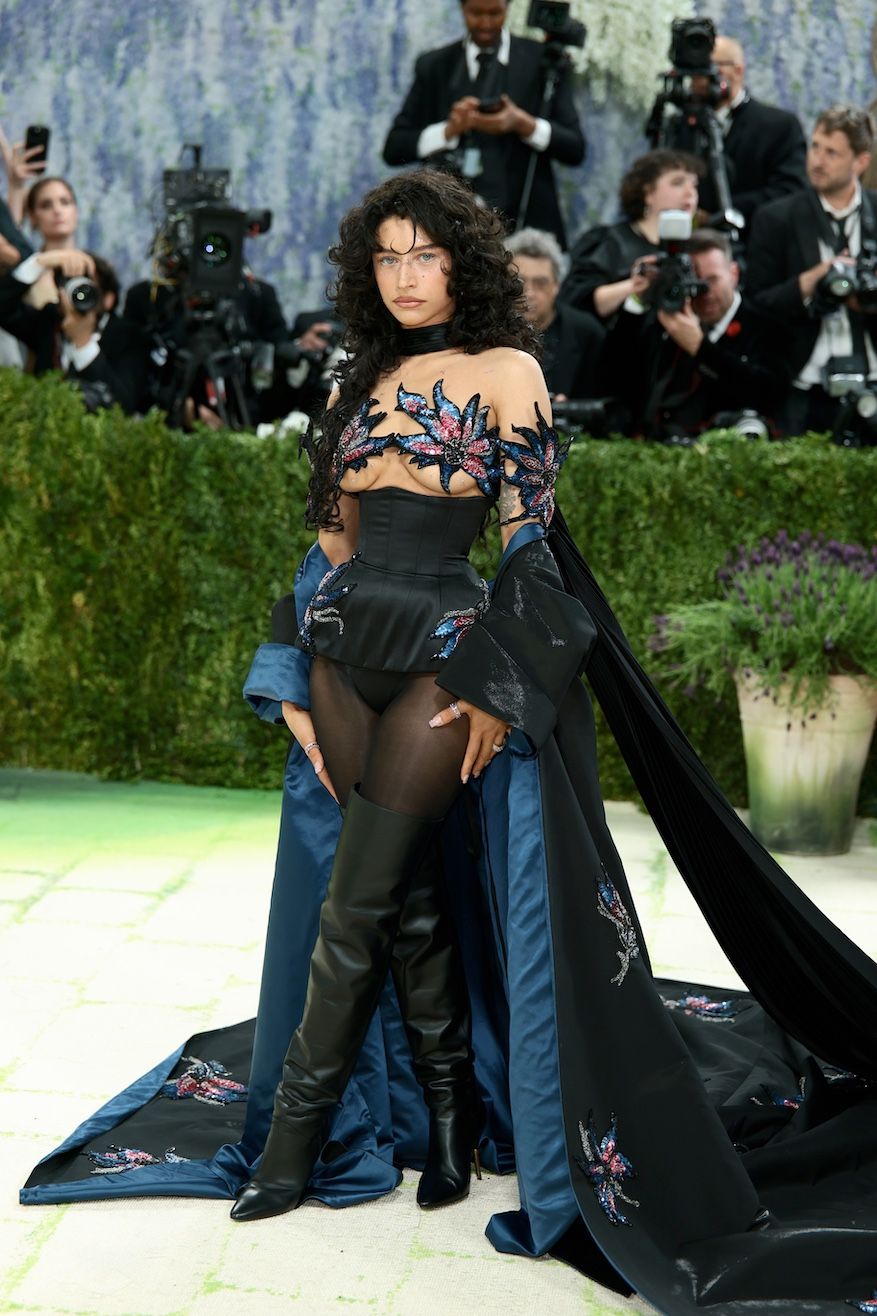
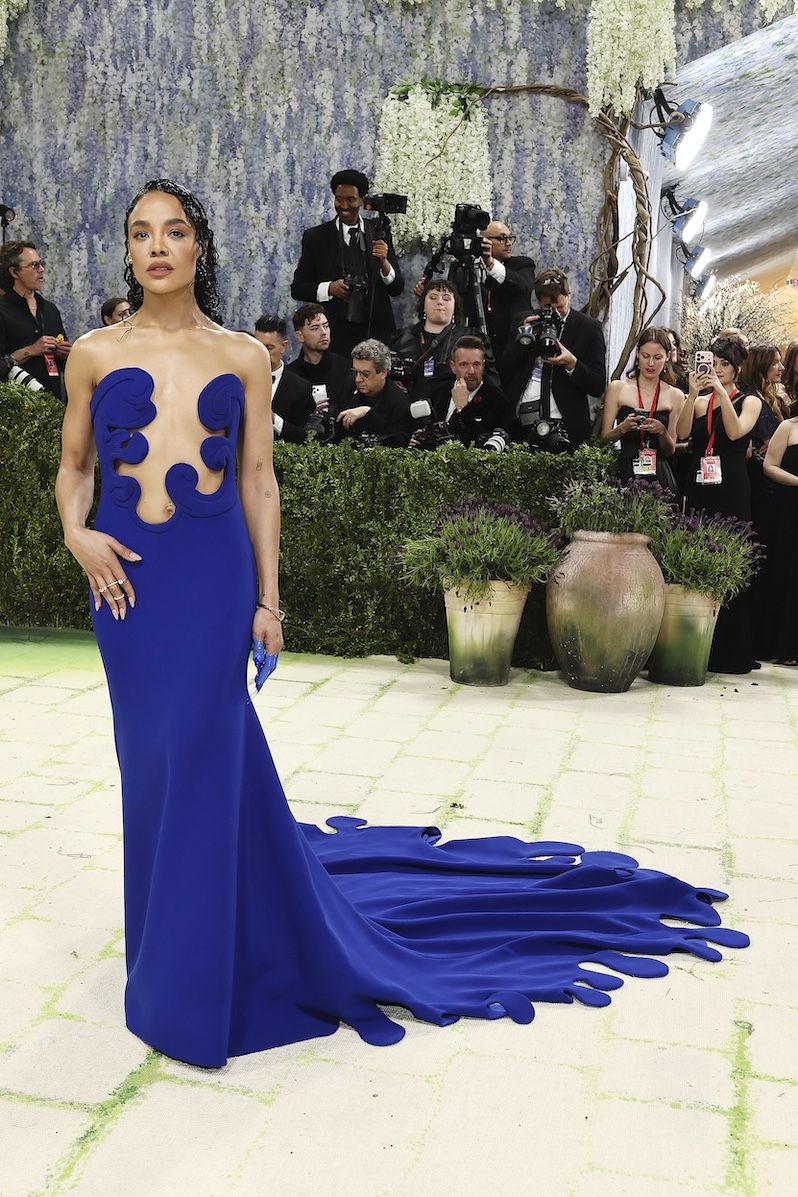
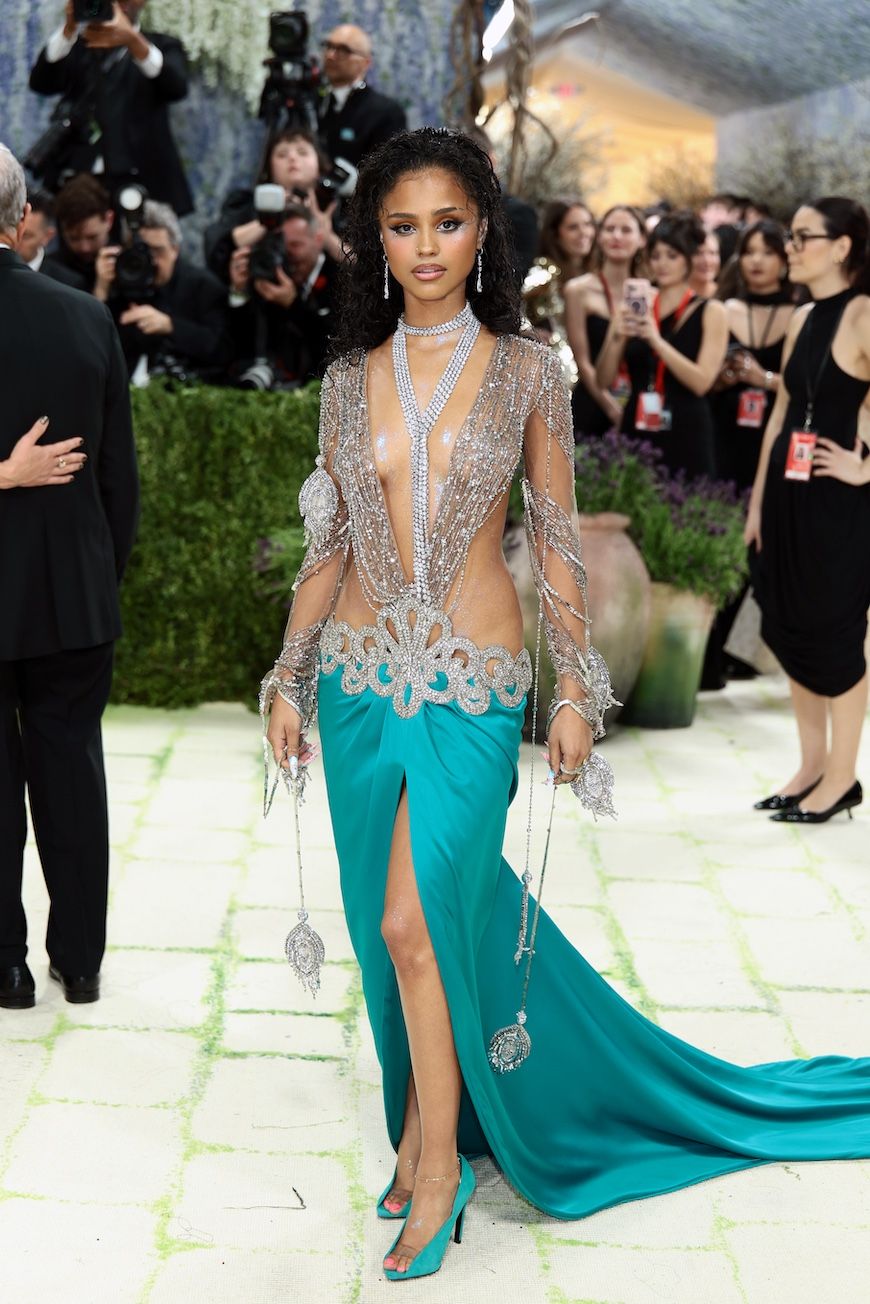
With Maude Apatow, sartorial construction meets a delicate couture sensibility, while Odessa A’zion breaks every rule through layering, lingerie and embroidered capes. Tessa Thompson transforms the body into a fluid, almost pictorial surface, through a Klein blue dress that recalls a painting in motion, while Tyla combines sensuality and structure in a perfect balance of transparency and embroidery, with a precise craftsmanship that enhances every detail of the silhouette.
And then there is one element that cannot be ignored: time.
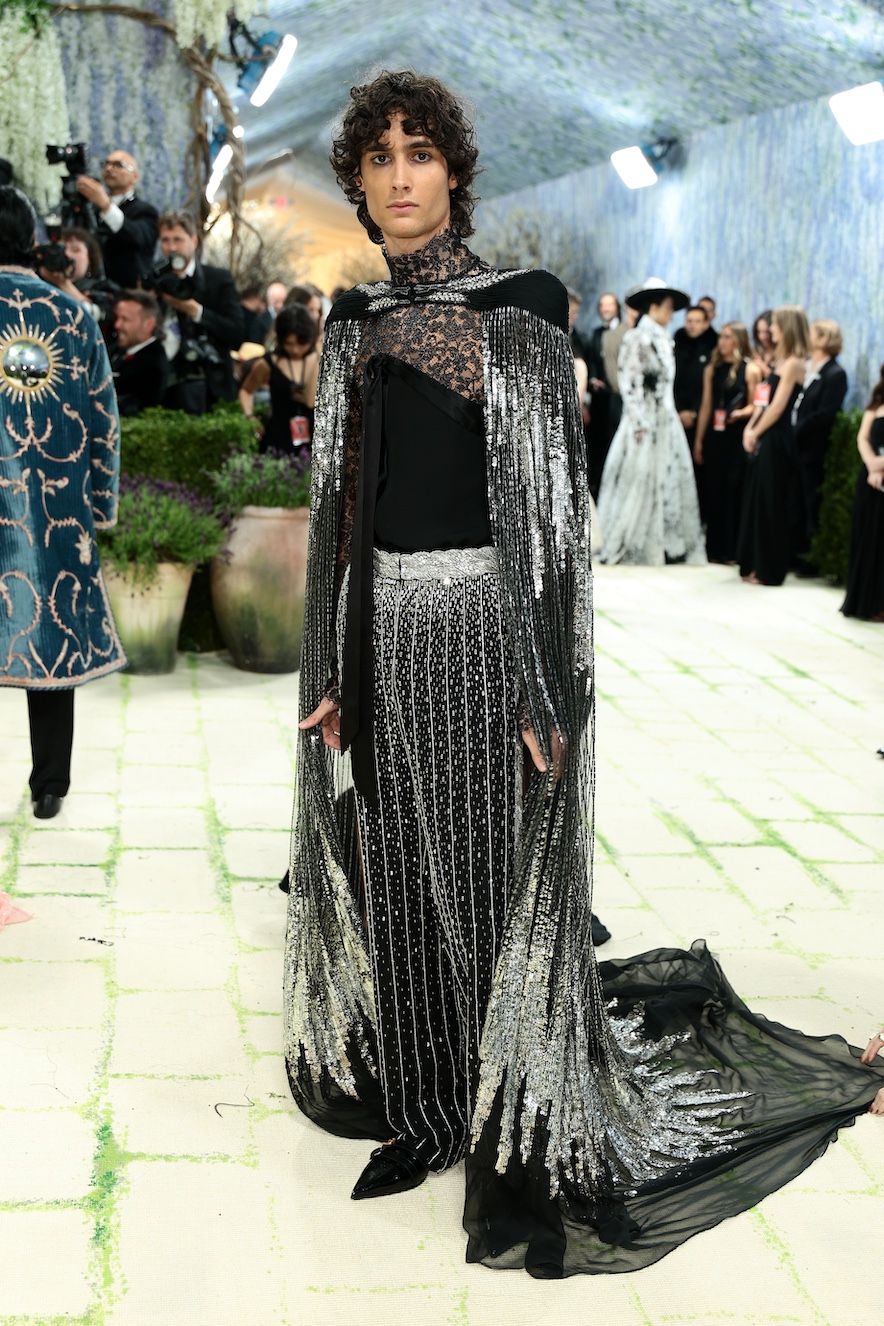
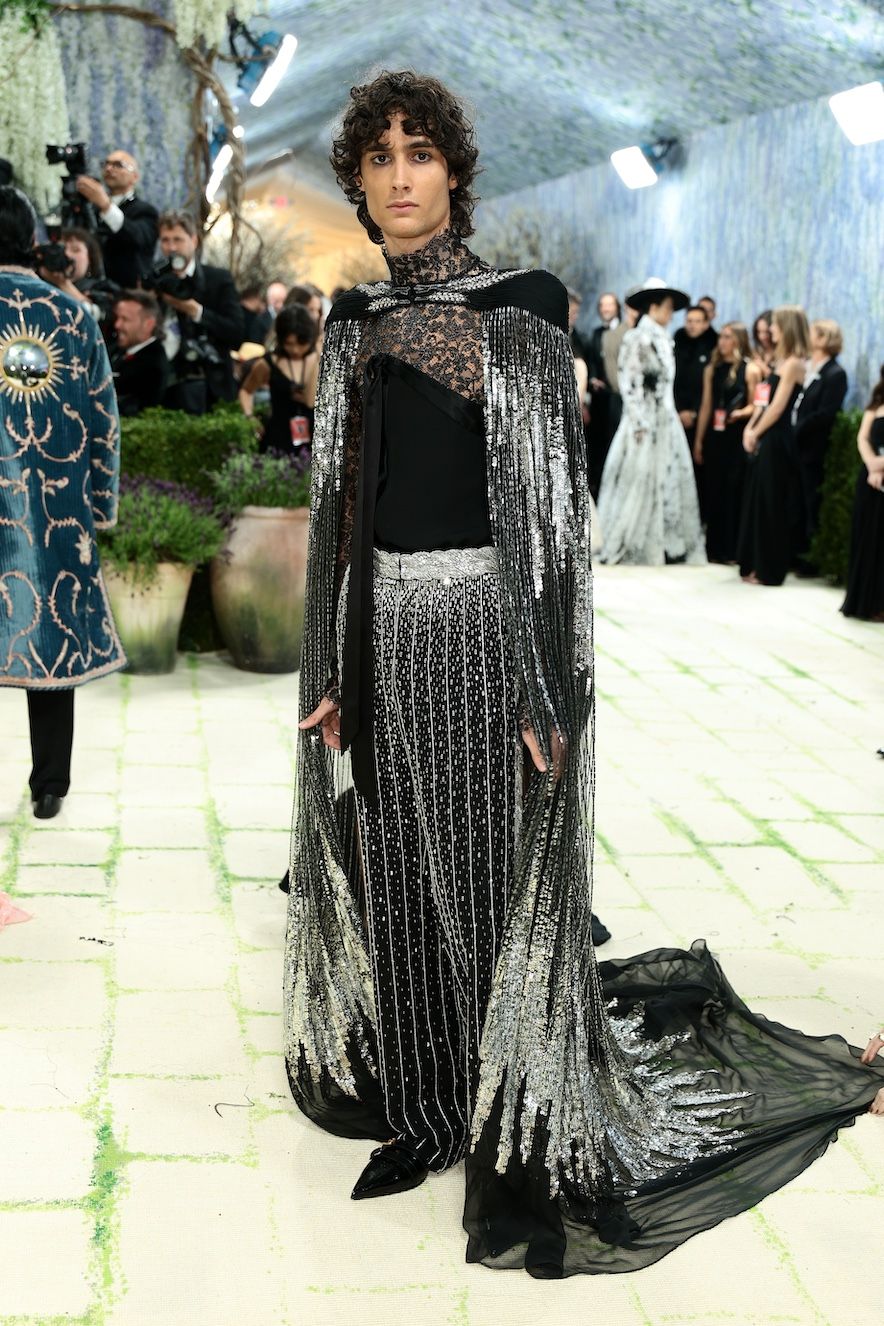
Hours and hours of workmanship, hundreds of hours of embroidery, up to 500 hours of manual craftsmanship for a single piece, as in the case of Sombr, whose tulle and chiffon cape, entirely hand-embroidered with a variety of materials in shades of silver and dark gray, creates a refined degradé effect. A piece built through layering, texture and patience, transforming the garment into a true exercise in artisanal mastery.
The result is clear: this was not just Valentino’s presence at the Met Gala. Valentino did not dress the Met Gala. It staged it.
With Alessandro Michele, Valentino no longer speaks only of elegance. It speaks of identity and storytelling, and it does so in a way that only he can.
And perhaps, with Alessandro Michele, the red carpet was no longer just a sequence of looks, but rather a story, unfolding in real time.
Emanuela Formoso – Founder & Editor, The Fashion Lover.
Always fashion, always black. Always Paris.
Recent
Articles
Recent
-
Vogue World Milan 2026
-
Did I Really Miss Fashion?
-
Finding My Way Back
-
Jean Dessès and Madame Grès: The Two Haute Couture Legends My Mother Introduced Me To
-
Why Haute Couture Still Makes Me Dream?
-
Dua Lipa’s Italian Summer Look
-
Why I Still Love Sex and The City
-
Why does someone choose to buy a fake designer bag?
-
Fashion Nostalgia: Are We Still Dreaming or Just Looking Back?
-
Fashion News at the Speed of Light: Gucci in Formula 1, Achille Lauro at Dondup, Givenchy’s New Chapter and Blake Lively’s Beauty Collapse