

Are We Tired of Influencers?
Bonjour fashion lovers,
lately, more and more often, while scrolling through social media, I find myself thinking that nothing has changed: people are still watching, still liking, still commenting... but only apparently nothing has changed.
Beneath the surface, something feels different. A kind of fatigue. It is not easy to define, but it is as if the public is slowly starting to distance itself from that communication model that dominated the Internet for years, the one built around influencers.
For a long time, influencers were the beating heart of digital culture. They made fashion more accessible, more everyday, closer to real life. They turned Instagram into a gigantic global showcase and, for a while, it seemed that anyone could become an authoritative voice simply by sharing their life, their outfits, their tastes, how many GRWMs have we watched? It was a very powerful promise. And, in part, it worked. Brands preferred to rely on them, on their image, on their influential communication. As a result, hundreds of agencies emerged and, sensing the business opportunity, positioned themselves between these new celebrities and the market.
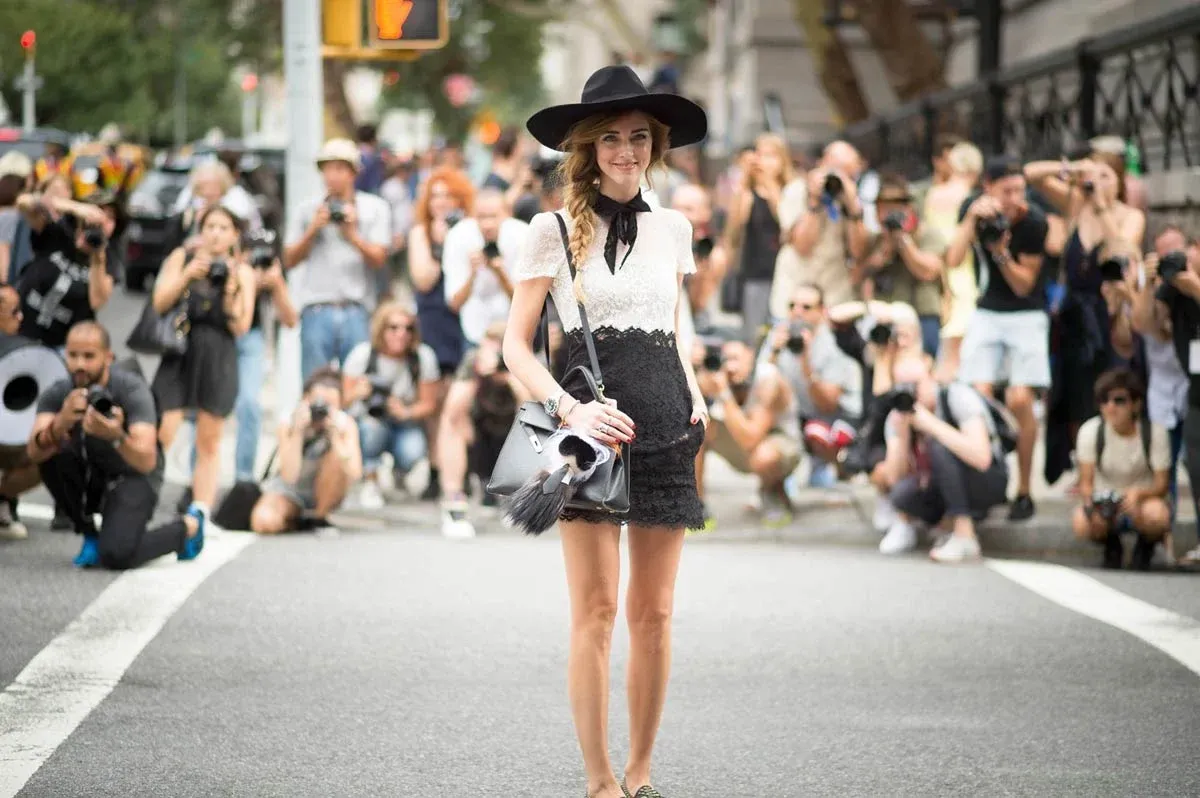
If we want to identify a symbol of that era, it is impossible not to think of Chiara Ferragni. Her blog, The Blonde Salad, was one of the first concrete examples of how the Internet could transform a personal passion into a true media empire. Ferragni redefined the relationship between fashion, social media, and personal entrepreneurship, becoming the face of a new digital economy. For many years, her success represented proof that the system worked. But precisely for that reason, when her image began to crack, the effect was just as symbolic. The crisis that involved her in recent years was not only a personal or legal matter. It was also, in a way, a crisis of trust. A moment in which part of the public began to question how truly transparent that influencer system really was.
When credibility starts to falter, the entire mechanism becomes more fragile. This does not mean that the influencer economy is destined to disappear. It is now a structural part of the fashion industry and of contemporary marketing. But something in the digital atmosphere seems to have changed. More and more people are looking for different kinds of content. Not just fast images to scroll through, but recognizable voices, thoughts, and real points of view. Younger generations, raised inside social media, seem to have a more disenchanted relationship with the very concept of the influencer. They are used to digital communication, they know its mechanisms, and perhaps for that very reason they are looking for something they perceive as more authentic.
It is in this context that figures like Alix Earle emerge, often cited as one of the most representative faces of the new generation of creators. Her communication style is very different from the one that defined the first era of influencers. Her content feels more spontaneous, less constructed, almost deliberately imperfect, even though she comes from a more than wealthy family and therefore lives in a context that is anything but ordinary, she began speaking about her difficulty accepting herself with acne without filters, without fiction, making the people watching her feel understood and welcomed. A form of authenticity that, paradoxically, becomes the new aesthetic of social media.
It is no coincidence that, lately, people have increasingly been talking about the return of blogs, personal newsletters, and platforms like Substack, where many bloggers have gone back to writing after mistakenly shutting down their own personal spaces. Spaces in which reading regains its value and where the person writing is not only a visual presence, but also a mind that observes and interprets. Perhaps it is a natural reaction to an ecosystem that has become too fast. Fashion, after all, has always needed storytelling. It does not live on images alone, but on ideas, context, and memory. When we think about the moments that truly shaped fashion history, we rarely remember only a post or a photo. We remember, instead, a vision, a collection that changed the rules, a voice that knew how to tell the story of its time.
That is why I find myself wondering whether we are entering a new phase. A phase in which influence will no longer be determined only by the quantity of content published, but by the ability to have something to say. Perhaps the next season of fashion online will not necessarily belong to those who post the most, but to those who are still able to build a thought. And perhaps, in front of a cappuccino, I do not mind that perspective at all. Do you?
Emanuela Formoso – Founder & Editor, The Fashion Lover.
Always fashion. Always black. Always Paris.
Recent
Articles
Recent
-
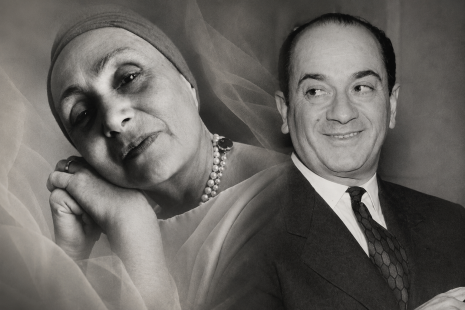
Jean Dessès and Madame Grès: The Two Haute Couture Legends My Mother Introduced Me To
-
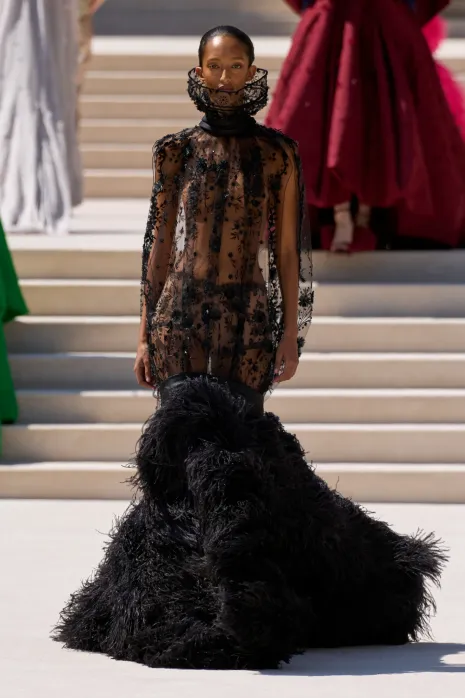
Why Haute Couture Still Makes Me Dream?
-
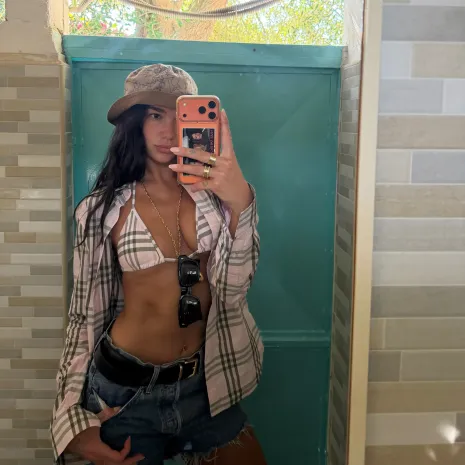
Dua Lipa’s Italian Summer Look
-
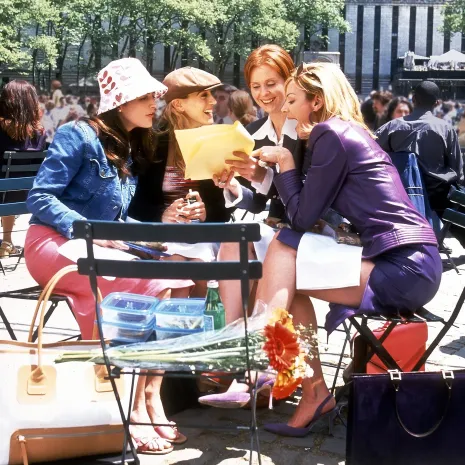
Why I Still Love Sex and The City
-
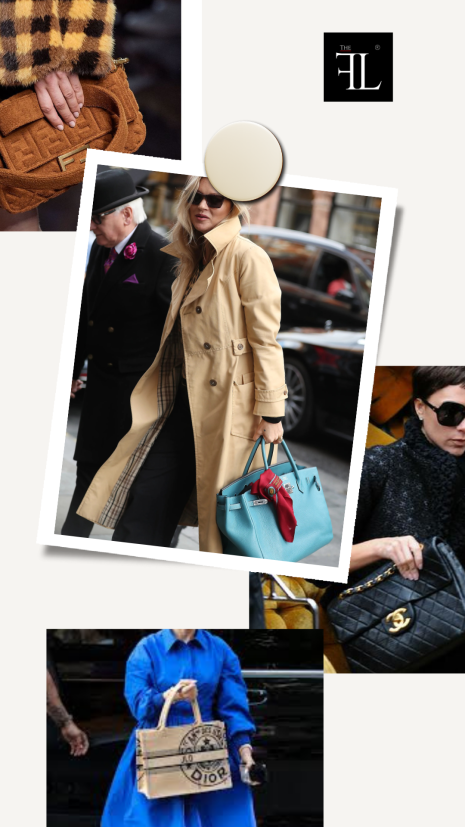
Why does someone choose to buy a fake designer bag?
-
Fashion Nostalgia: Are We Still Dreaming or Just Looking Back?
-
Fashion News at the Speed of Light: Gucci in Formula 1, Achille Lauro at Dondup, Givenchy’s New Chapter and Blake Lively’s Beauty Collapse
-
Luxury Can't Exist Without Human Hands
-
Laetitia Casta in Armani - Cannes Film Festival 2026
-
Audemars Piguet x Swatch And The Luxury Industry’s Obsession With Pop Culture
