

Fashion Nostalgia: Are We Still Dreaming or Just Looking Back?
Bonjour fashion lovers,
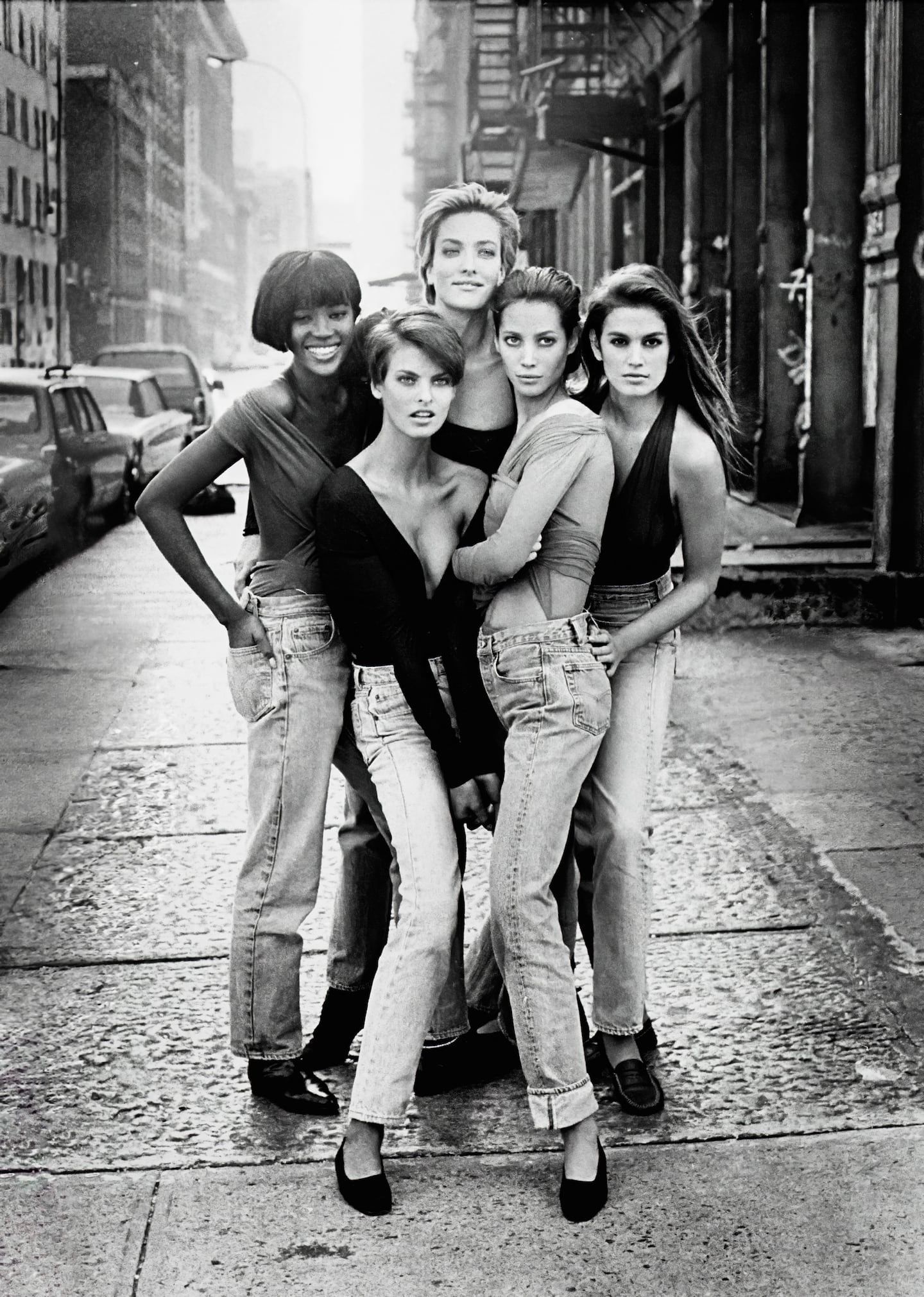
lately, fashion seems to be looking back more than ever. Back to the archives, to the Nineties, to the early 2000s, to old Vogue covers, to campaigns that looked like little films (Balenciaga, under the creative direction of Pierpaolo Piccioli, has just given us a few little gems), to muses, to iconic bags.
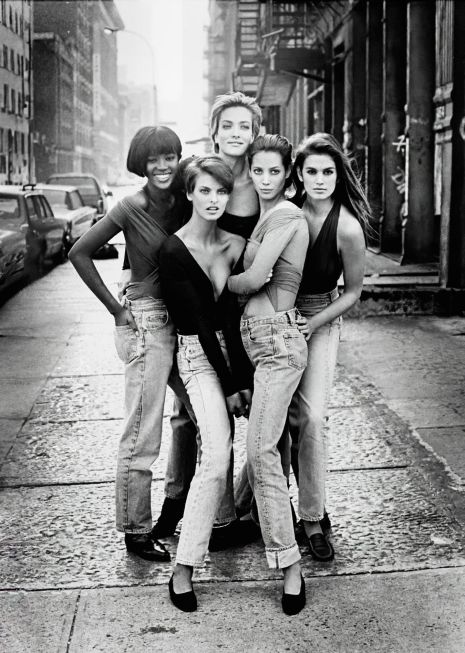
I understand this nostalgia very well. I understand it deeply. Of course I do. I lived through the golden age of the supermodels; I grew up dreaming through photo shoots and advertising campaigns starring Claudia, Naomi, Linda, Christy, Yasmeen, Tatiana, photographed by Richard Avedon, Bruce Weber, Peter Lindbergh (all while my eating disorder was trying to take over my life. But I won).
There are moments in fashion history that deserve to be remembered. There are images that shaped the way we look at fashion: the Chanel campaigns photographed by Karl Lagerfeld are imprinted in our memory as true fashion lovers. The top model dominating the runway with enviable power: Naomi and Gisele, undisputed masters of the craft. A photo shoot that was also social criticism, so terribly relevant today: “Makeover Madness,” published by Vogue Italia in July 2005, photographed by Steven Meisel and styled by Edward Enninful, telling a disturbing and lucid imaginary world linked to cosmetic surgery, with bandages, scalpels, wheelchairs, syringes and an obsession with physical perfection, starring Linda Evangelista (who, sadly, would later experience firsthand what it means to become a victim of that very obsession).
A bag that was not just a bag, but a desire. A collection entering fashion history with authority: Galliano for Dior, McQueen for Givenchy, Marc Jacobs for Vuitton. They marked us forever.
For those who loved fashion before fashion became an endless social media scroll, nostalgia is not just a mood, not just a trend. It is essence.

And yet today I ask myself an uncomfortable question: are we still truly nostalgic, or have we simply run out of new dreams?
Because nostalgia, when it is sincere, can be beautiful. It can be cultural memory, it can remind us where beauty comes from, why certain codes became iconic, why a dress, a bag, a shoe or a campaign entered our imagination and never left. Fashion has always lived in dialogue with the past. Do you remember the imaginary and iconic dialogue between Miuccia Prada and Elsa Schiaparelli, staged by the Met in 2012 with the exhibition Schiaparelli and Prada: Impossible Conversations?
The problem begins when nostalgia stops being inspiration and becomes a safe refuge.
In 2026, everything seems to be coming back. The It-bags of the past are back, archival looks are back, muses are back, familiar logos are back, sequels are back, the early-2000s aesthetic is back, TV series are being remade, and we remain fascinated by the cold, severe mood of fashion editors à la Miranda Priestly (while The Devil Wears Prada 2 returns to occupy conversations, red carpets and the fashion imagination).
We like all of this. Yes, how could we not?
Maybe that is exactly the point. Why do we like it so much? Maybe because fashion is everywhere today, but sometimes it feels less powerful. We see more images than ever, more collections, more campaigns, more drops, more collaborations, more influencers (perhaps too many), more trends, more analysis and opinions (even from people who do not have the expertise to give them). More of everything. And yet, the more we see, the less we remember. The more fashion speaks, the less it seems to tell.
So we go back. We go back to the moments when fashion felt slower. We go back to the era of magazines. We go back to designers with instantly recognizable worlds. We go back to models who were not just faces, but personalities. We go back to bags that had stories to tell.
But nostalgia becomes dangerous when it gets too comfortable.
It can make us believe that everything was better before. It can turn memory into myth. It can make the present look poorer simply because it has not yet had the time to become legend. And above all, it can become a very convenient strategy for brands that no longer really know how to surprise us.
Because reopening an archive is easier than creating a new obsession. Bringing back a familiar silhouette is safer than inventing a new one. Reintroducing a beloved bag is less risky than asking a woman to fall in love with something she has never seen before.
Luxury knows this very well. In recent years, prices have risen so much that many aspirational consumers have started looking elsewhere, toward contemporary brands, second-hand platforms, vintage, smaller objects of desire. The dream has not disappeared, but it has become more selective. More cautious. More rational.
And this is where the return of the “entry-level” bag becomes interesting.

Once, an It-bag felt like a fever. Today, it often feels like a strategy. Smaller size, less impossible price, recognizable code, enough desirability to seduce, enough accessibility to convert. It is not necessarily wrong. Fashion is also business, and luxury has always known how to build desire on different levels. But the emotional question remains: can a bag truly become iconic if it is born first as a market solution?
Maybe yes. Maybe no.
What I know is that real icons are never born from strategy alone. They need time.
This is also why the conversation around artificial intelligence in fashion feels connected to nostalgia. The more fashion experiments with AI, digital speed and generated images, the more we seem to desire what feels human: the archive, the fabric, the old campaign, the handwritten note, the runway moment, the editor’s eye, the designer’s obsession, the woman wearing something in a way no algorithm could have predicted.
Maybe nostalgia is not only about the past. Maybe it is also a reaction to a future that frightens us.
That is why I do not want to dismiss nostalgia. I love fashion memory too much to do that. I believe that to understand the present, we need to know what came before. And I believe that a young girl discovering an old Gucci look, a Dior silhouette, a Prada collection from the Nineties or a forgotten Vogue editorial is not simply copying the past. Maybe she is opening a door to a world that can still make her dream.
Nostalgia should be a beginning. It should help brands remember who they are, not authorize them to become nothing new. A great designer can take an archive and make it breathe again. Maybe Matthieu Blazy at Chanel, Alessandro Michele at Valentino, Jonathan Anderson at Dior are succeeding, and maybe they are truly trying to use memory to speak to the present.
Maybe this is what we fashion lovers are really waiting for. We are waiting for fashion to make us dream again, without erasing the past. Never. But with the courage to go beyond it.
Because yes, I will always love the old images, the old magazines, the old glamour, the old elegance, that feeling of entering fashion as if entering a world with eyes wide open. I will continue to believe that certain moments were unrepeatable. But I also want to believe that fashion has not finished surprising us.
Maybe the question is not whether nostalgia is right or wrong. Maybe the question is whether fashion still knows how to use memory without becoming imprisoned by it.
Emanuela Formoso – Founder & Editor, The Fashion Lover.
Always fashion, always black. Always Paris.
Recent
Articles
Recent
-
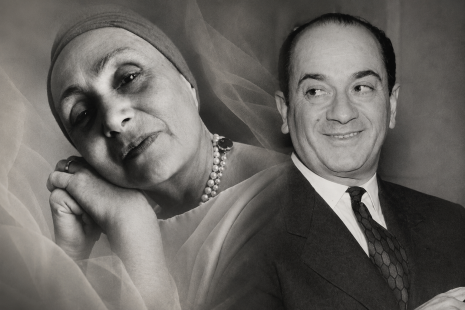
Jean Dessès and Madame Grès: The Two Haute Couture Legends My Mother Introduced Me To
-
Why Haute Couture Still Makes Me Dream?
-
Dua Lipa’s Italian Summer Look
-
Why I Still Love Sex and The City
-
Why does someone choose to buy a fake designer bag?
-
Fashion Nostalgia: Are We Still Dreaming or Just Looking Back?
-
Fashion News at the Speed of Light: Gucci in Formula 1, Achille Lauro at Dondup, Givenchy’s New Chapter and Blake Lively’s Beauty Collapse
-
Luxury Can't Exist Without Human Hands
-
Laetitia Casta in Armani - Cannes Film Festival 2026
-
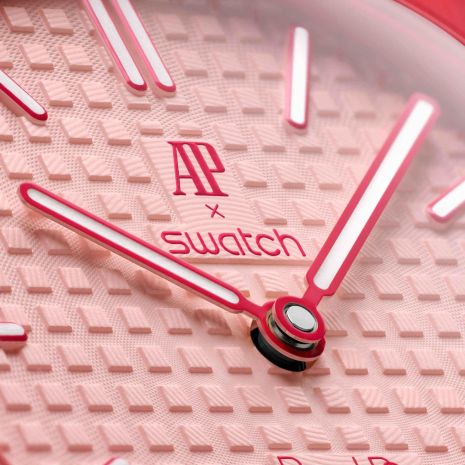
Audemars Piguet x Swatch And The Luxury Industry’s Obsession With Pop Culture
