

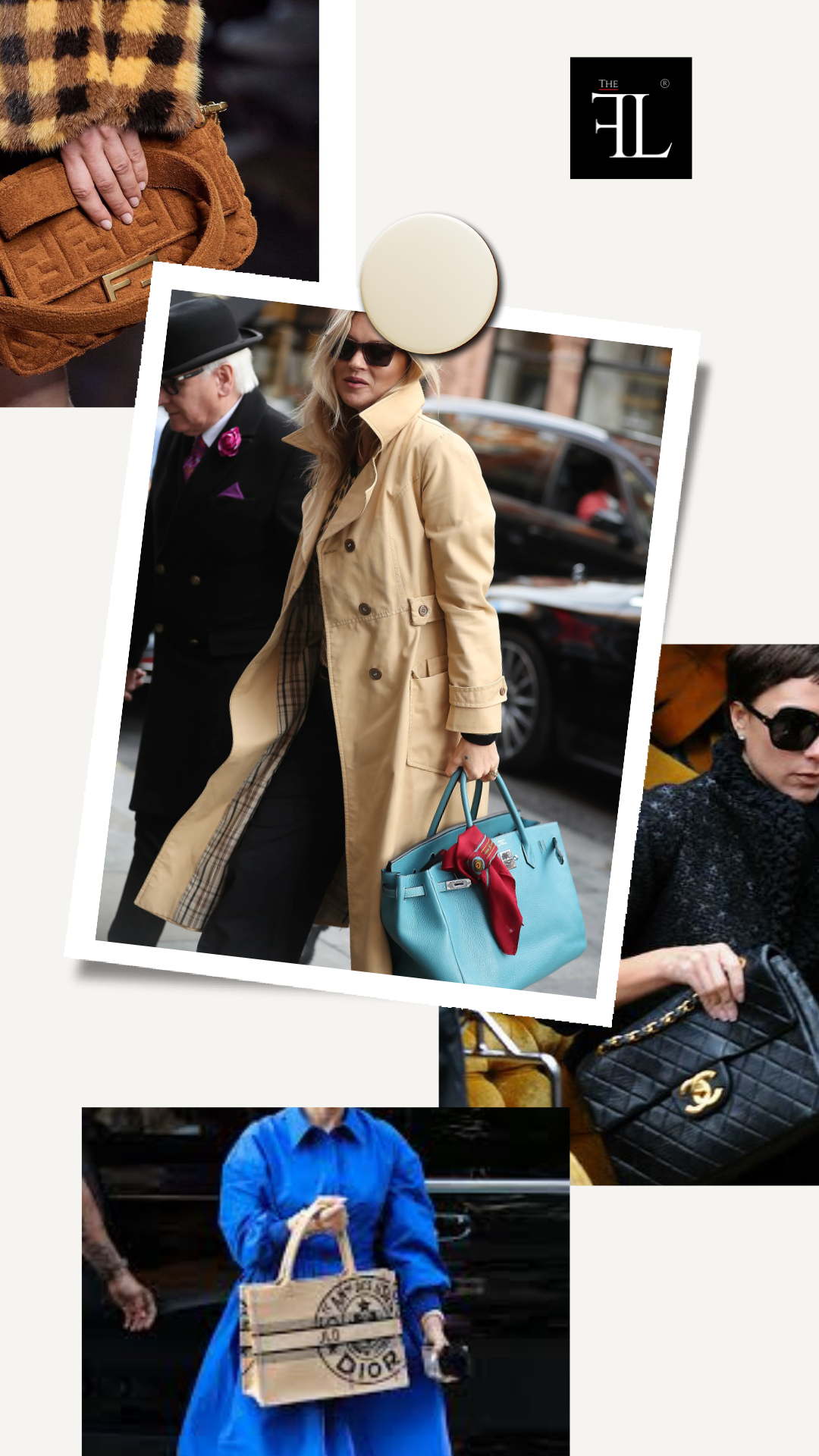
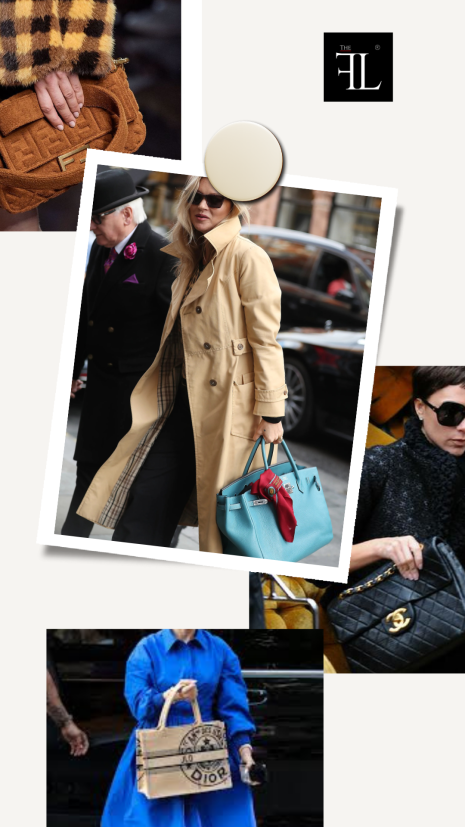
Why does someone choose to buy a fake designer bag?
Bonjour fashion lovers,
welcome back to our unmissable Sunday appointment: CAPPUCCINO TIME.
Last week, our appointment did not happen. My Silent Enemy and a series of medical checkups slowed me down quite a bit, but I am back. I am writing this with a light heart because my latest checkup showed no trace of cancer cells, and I could not be happier. Yes, I know, my Silent Enemy will be with me for life, but at least it seems the tumor has taken quite a beating.
Now, let's change direction and focus on the topic I want to discuss today: the increasingly widespread popularity of fake luxury purchases.
Let us start with a clear and direct question: why does someone choose to buy a fake designer bag?
I am not talking about the illegal market itself, counterfeit operations, or the economic and legal implications behind them, which are serious and complex issues. What interests me is the individual choice, that precise moment when someone decides to spend money on a fake Louis Vuitton, a fake Chanel, a fake Hermès, a fake Dior, or a fake Fendi.
Why make that choice? The most immediate answer might also seem the most obvious one: because they cannot afford the real thing. Yet that explanation has never completely convinced me. In my opinion, people often buy fake designer bags not because they cannot afford luxury, but because they want to be associated with what luxury represents. As someone who has spent decades writing about fashion, observing consumer behavior, and collecting authentic vintage pieces, I have always found this choice fascinating, because in most cases the decision is not between an authentic luxury bag and a fake one. The choice is actually between a fake designer bag and a genuine, well-made, high-quality bag created by a lesser-known brand.
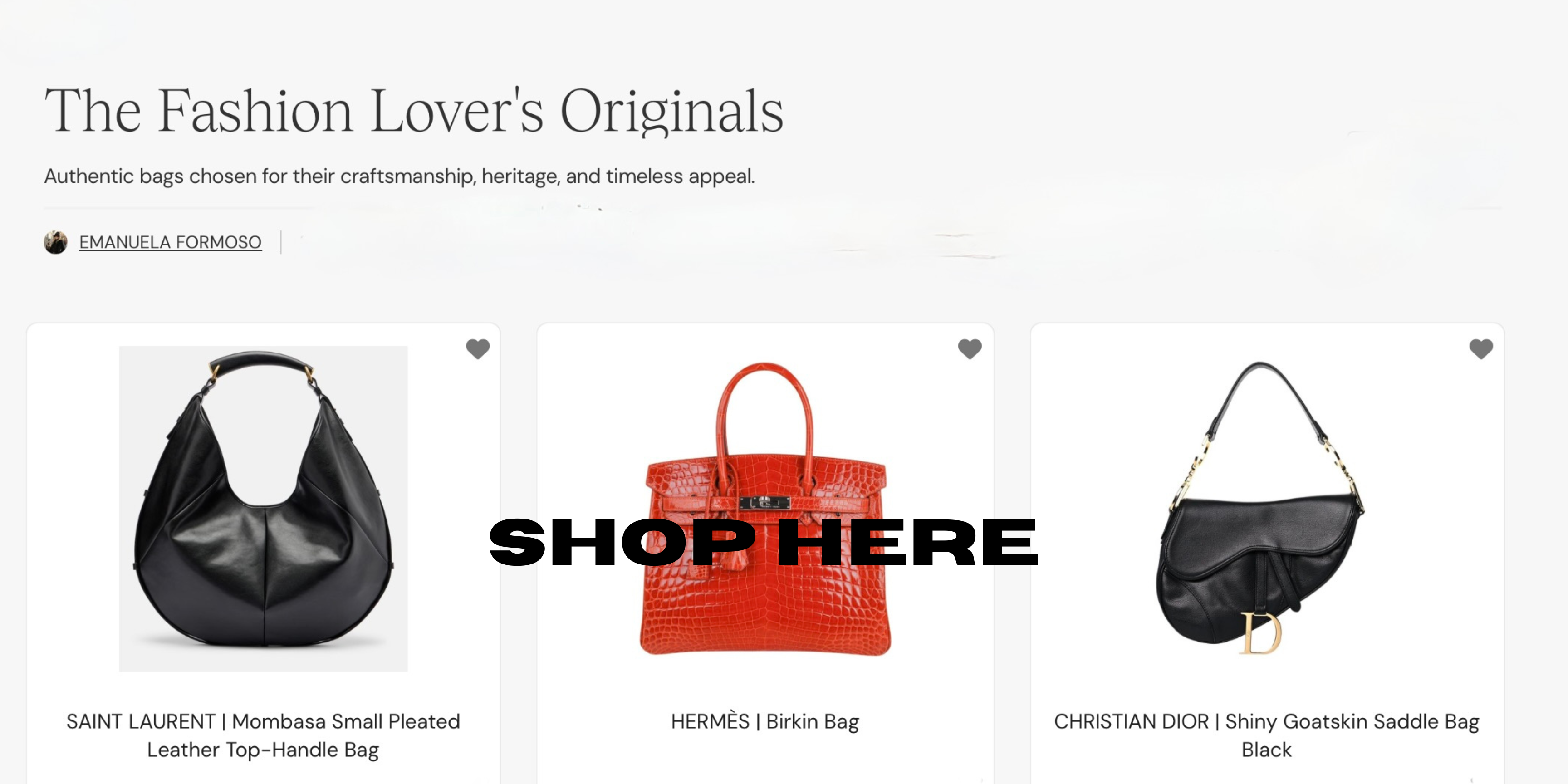
In other words, we are not choosing between two identical objects. We are choosing between two different meanings. On one side, there is an authentic object that reflects what it truly is. On the other, there is an object that tells a story we would like other people to believe about us.
And this is where, in my opinion, fashion gives way to something else entirely. Because a fake bag does not simply buy a shape, a material, or a color. It buys a symbol, an image, the idea of belonging to a particular world. For decades, luxury has functioned as a social signal. Certain brands have become synonymous with success and prestige. Owning certain objects meant communicating something to ourselves, but above all, and this is perhaps the saddest part, to others.
Today, we live in an era where image has become even more central. We photograph everything. We share everything on social media, even those who claim to be resistant to it. We constantly build a public version of our lives, one that is almost never completely true. After the collapse of the Ferragnez fairytale, many people began looking at social media narratives through a different lens, yet the desire to project a certain image remains stronger than ever. And perhaps this is where part of the answer lies. In some cases, the desire is not to own a beautiful bag, but to own what that bag represents in the eyes of others.
I recently read, while recognizing that I do not have specific expertise in sociology, that this phenomenon is often described as symbolic consumption. In essence, we do not purchase an object for its practical function, but for the meaning attached to it. We are not simply buying something, we are buying a sense of belonging.
The question then becomes more uncomfortable. Do we really live in a society that desires luxury, or in a society that desires the appearance of being close to luxury? Because those are two very different things. The first is about personal pleasure, craftsmanship, heritage, and quality. The second is about how others see us, and how they perceive the purchases we proudly showcase on social media. And perhaps this is why the fake luxury market continues to thrive despite the fact that authentic, beautiful, and accessible alternatives are available.
The most powerful desire is not to own an object. It is to own the social meaning that object promises.
And now I turn the question to you.
What do you think drives someone to choose a fake designer bag instead of an authentic, high-quality bag from a lesser-known brand? Is it about status, belonging, or is there something deeper that we are missing?
Emanuela Formoso – Founder & Editor, The Fashion Lover. Always fashion, always black. Always Paris.
Recent
Articles
Recent
-
Finding My Way Back
-
Jean Dessès and Madame Grès: The Two Haute Couture Legends My Mother Introduced Me To
-
Why Haute Couture Still Makes Me Dream?
-
Dua Lipa’s Italian Summer Look
-
Why I Still Love Sex and The City
-
Why does someone choose to buy a fake designer bag?
-
Fashion Nostalgia: Are We Still Dreaming or Just Looking Back?
-
Fashion News at the Speed of Light: Gucci in Formula 1, Achille Lauro at Dondup, Givenchy’s New Chapter and Blake Lively’s Beauty Collapse
-

Luxury Can't Exist Without Human Hands
-
Laetitia Casta in Armani - Cannes Film Festival 2026
