Jean Dessès and Madame Grès: The Two Haute Couture Legends My Mother Introduced Me To
Bonjour fashion lovers,
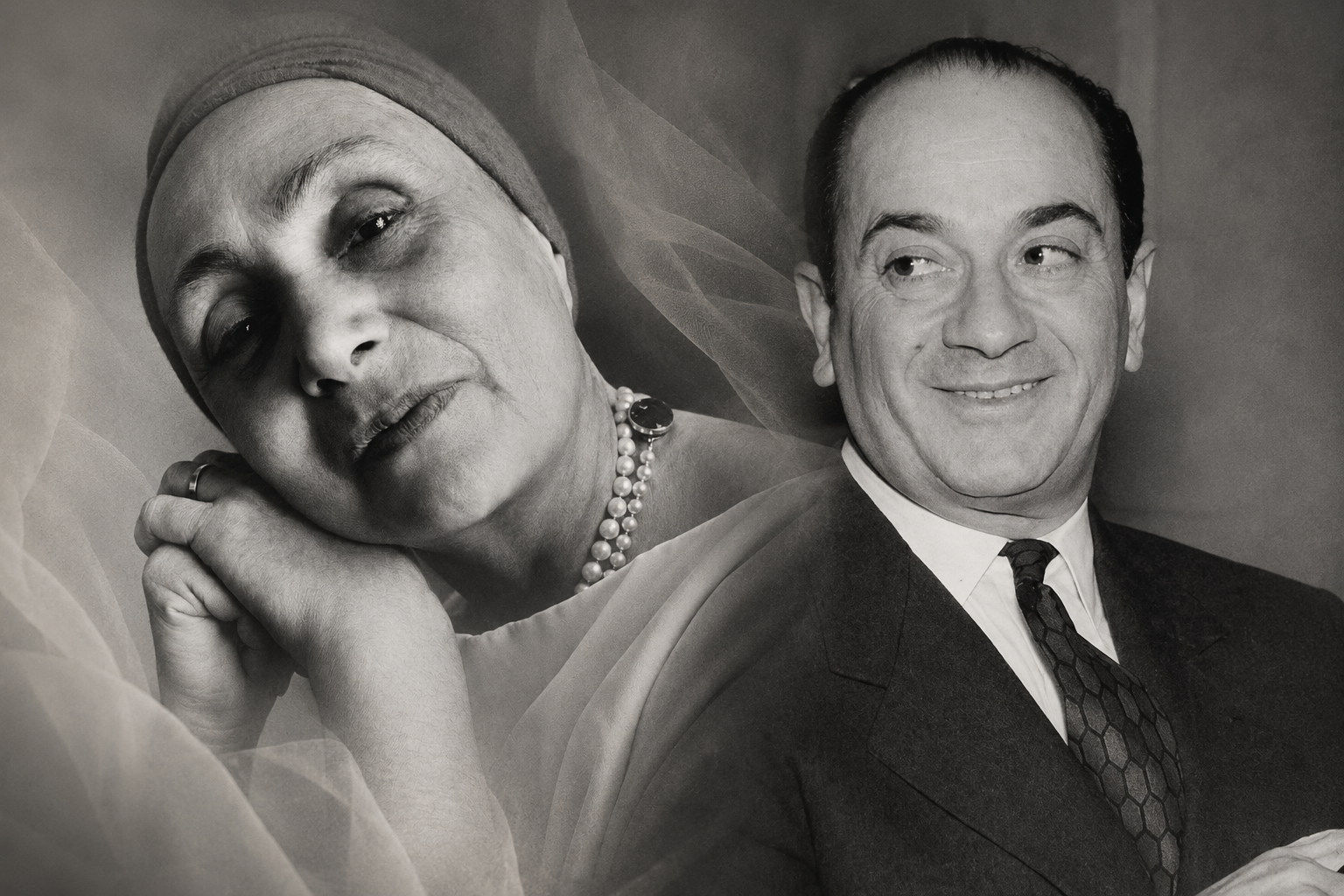
Some names in fashion enter our lives through books, exhibitions or magazines. Others arrive much earlier. We hear them mentioned when we are children, long before we can fully understand their significance. Jean Dessès and Madame Grès have always been two of those names for me. I used to hear my mother Filomena speak about them. She had worked as a seamstress when she was young, and whenever the conversation turned to fabrics, draping or the construction of a dress, their names would return quite naturally. At the time, I listened with the curiosity of a child, never imagining that one day I would feel the need to stop and truly understand who they were.
Over the past few days, I decided to do exactly that. I already knew both of them, of course. I knew they had been two major figures of French haute couture and that their names were closely connected to the art of draping. Yet it was only by looking more deeply into their lives and work that I began to understand why a seamstress remembered them with such admiration. Jean Dessès and Madame Grès were not simply designers. They were true masters of fabric. At a time when couture meant construction, patience and a profound knowledge of materials, they transformed metres of silk, chiffon and jersey into garments that appeared to come alive on the body. They did so in entirely different ways, but with something fundamental in common: they proved that genuine elegance comes from technique, not excess. This is the lesson they have left with me.
Jean Dessès, the Poet of Movement
Jean Dessès was born in Alexandria, Egypt, in 1904, into a Greek family. Fashion did not initially seem destined to become his future. He moved to Paris to study law, but soon realised that his path lay elsewhere. He entered the world of haute couture through Maison Jane and, in 1937, opened his own atelier on Avenue George V, at the heart of the Paris that represented the absolute centre of international elegance.
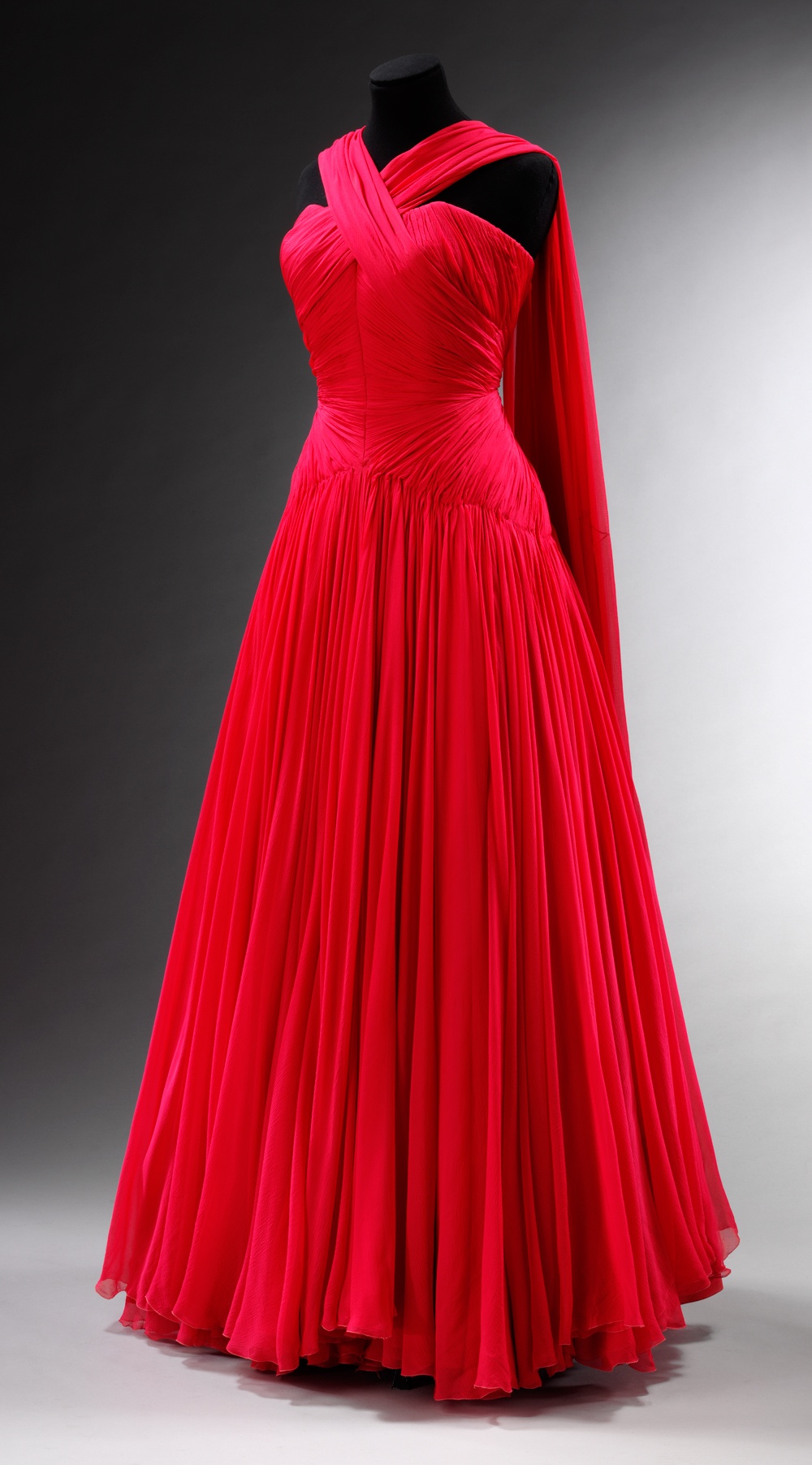
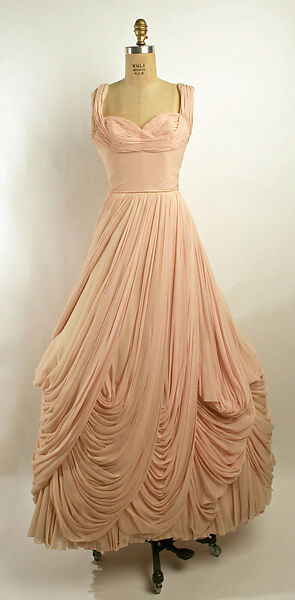
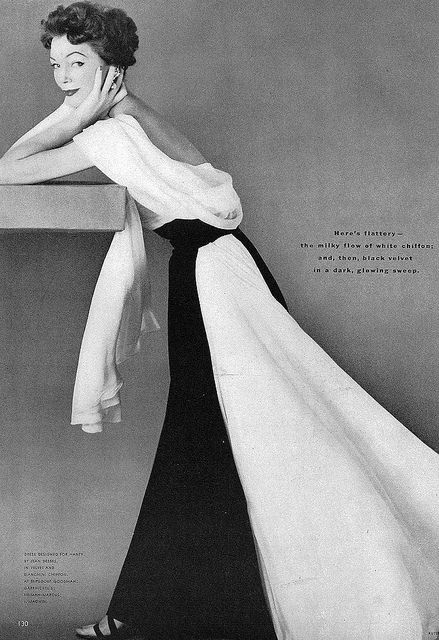
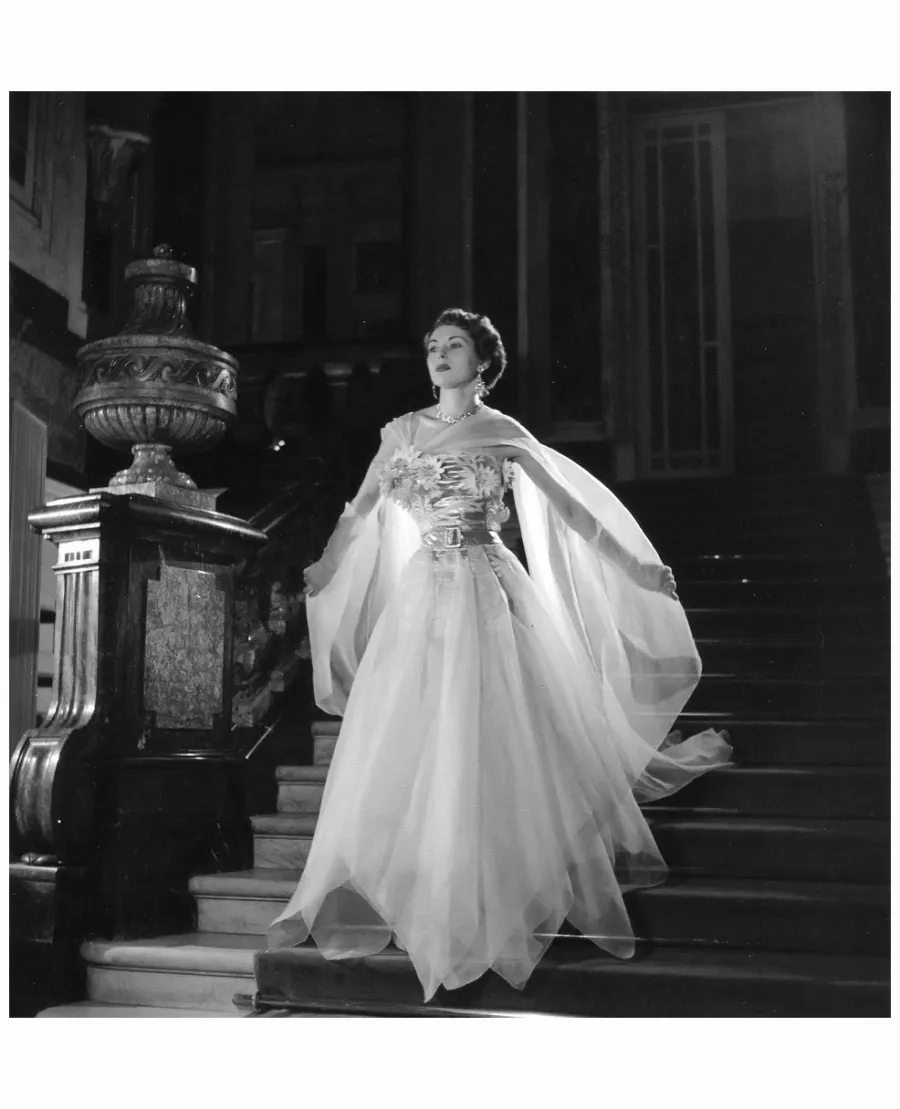
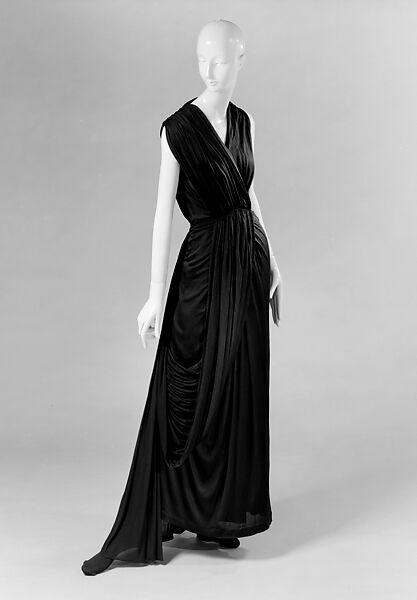
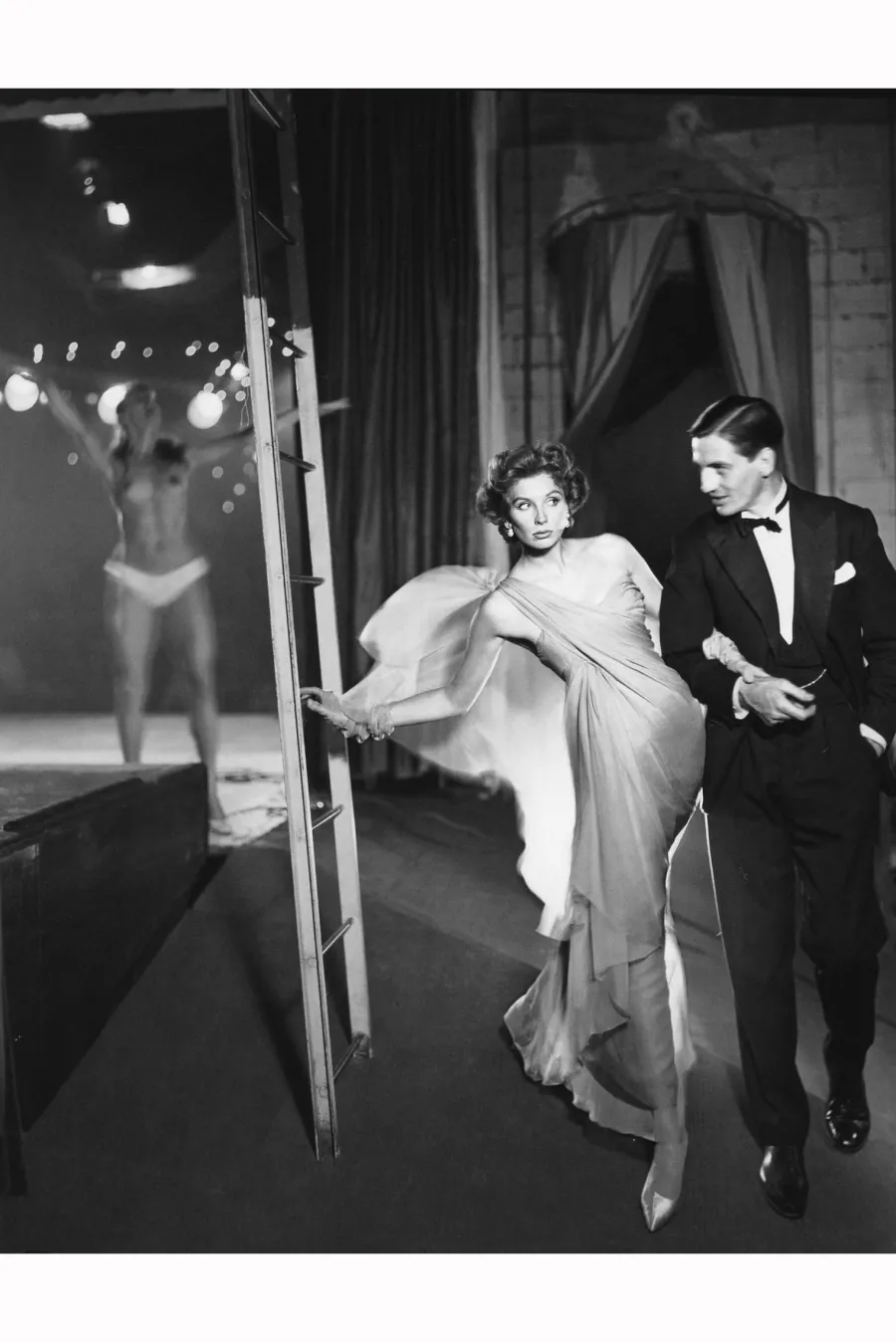
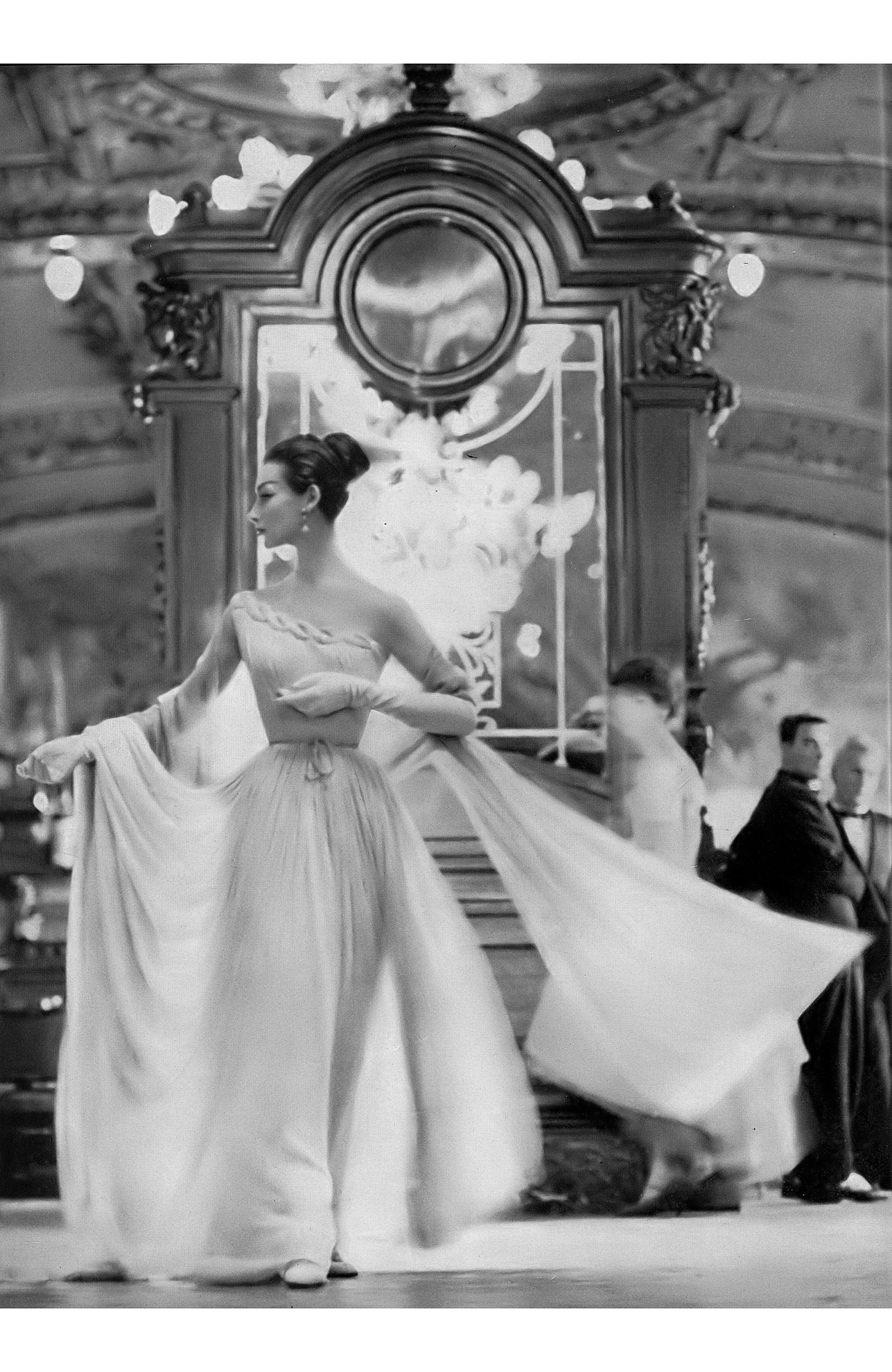
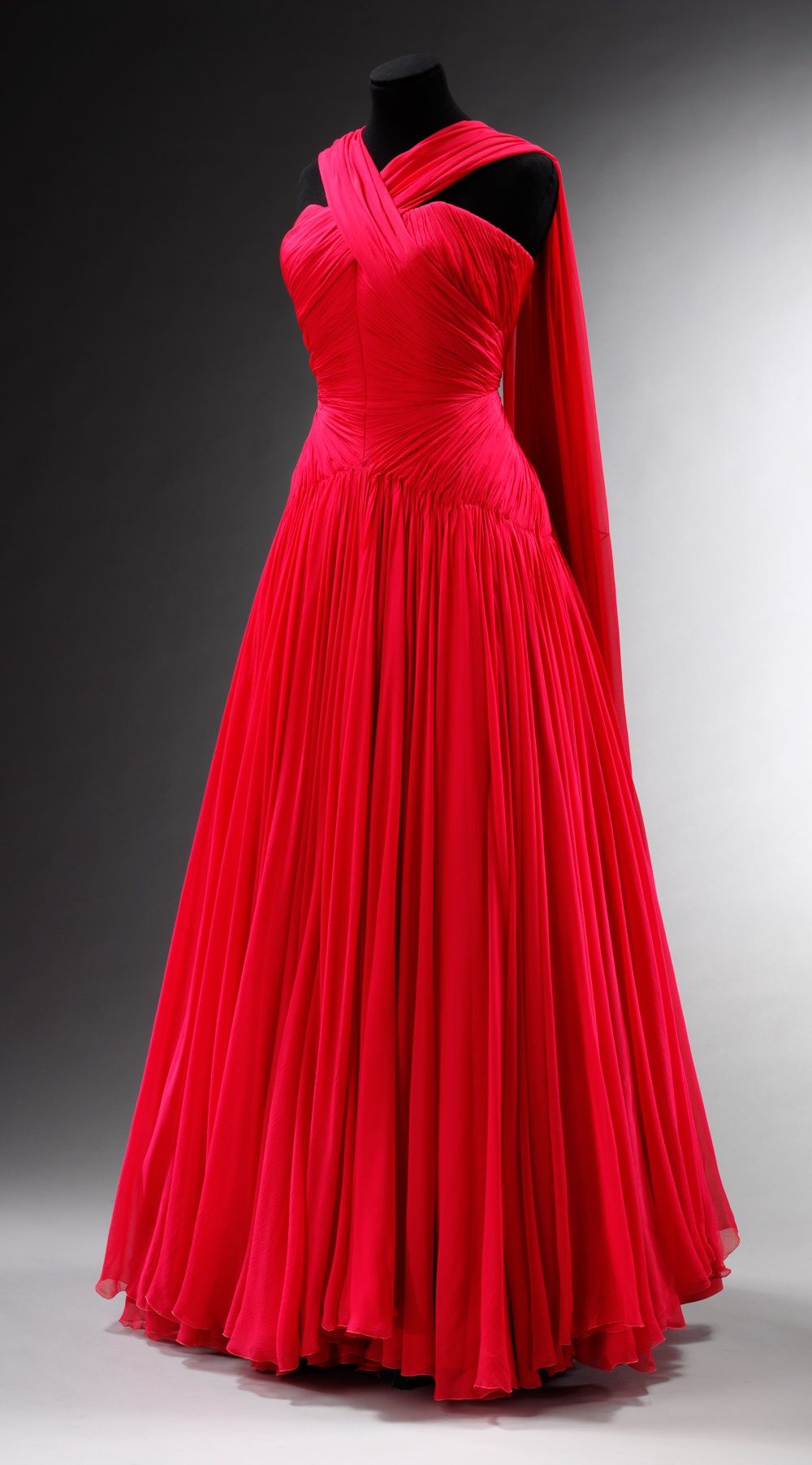
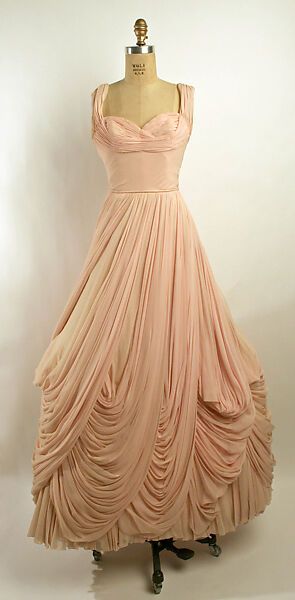
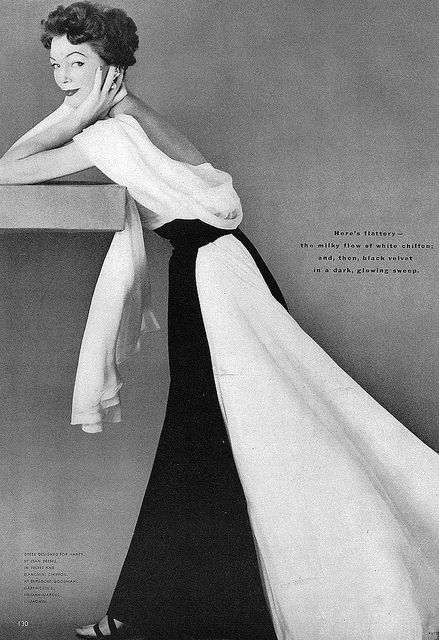
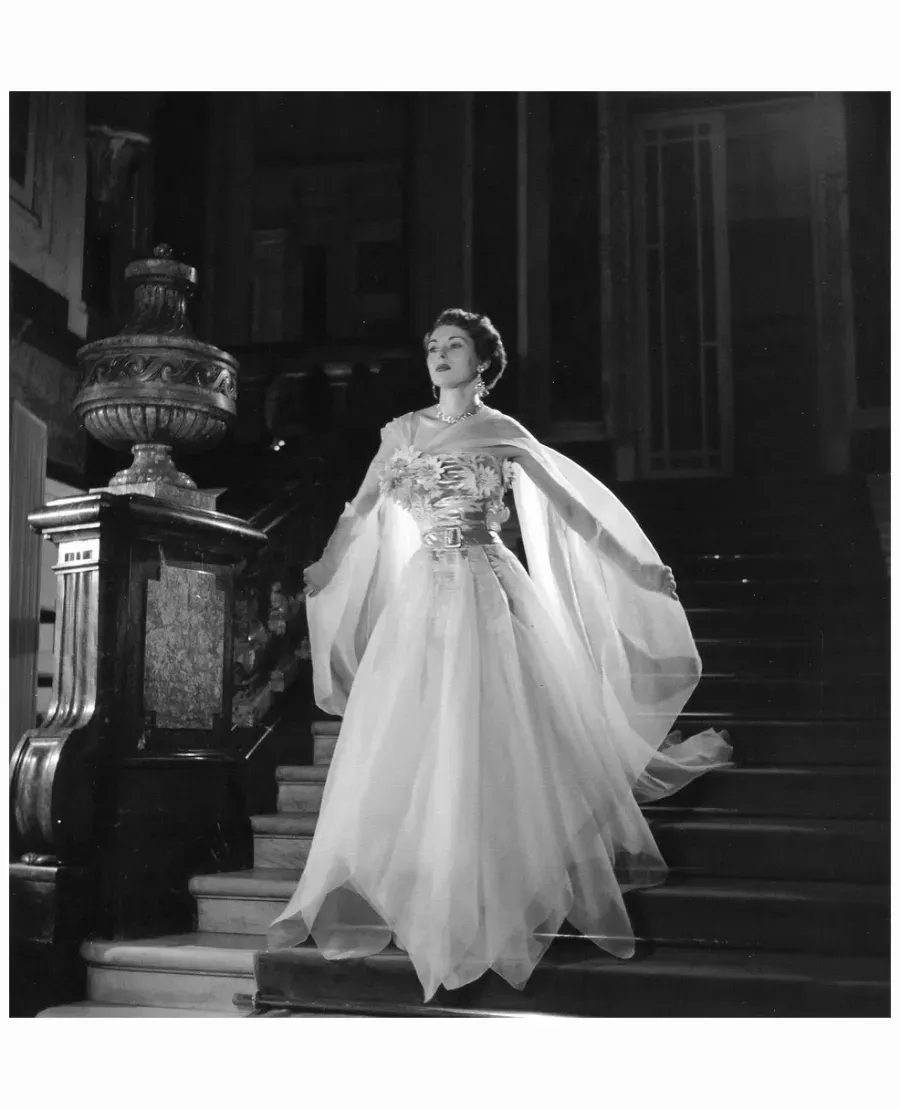
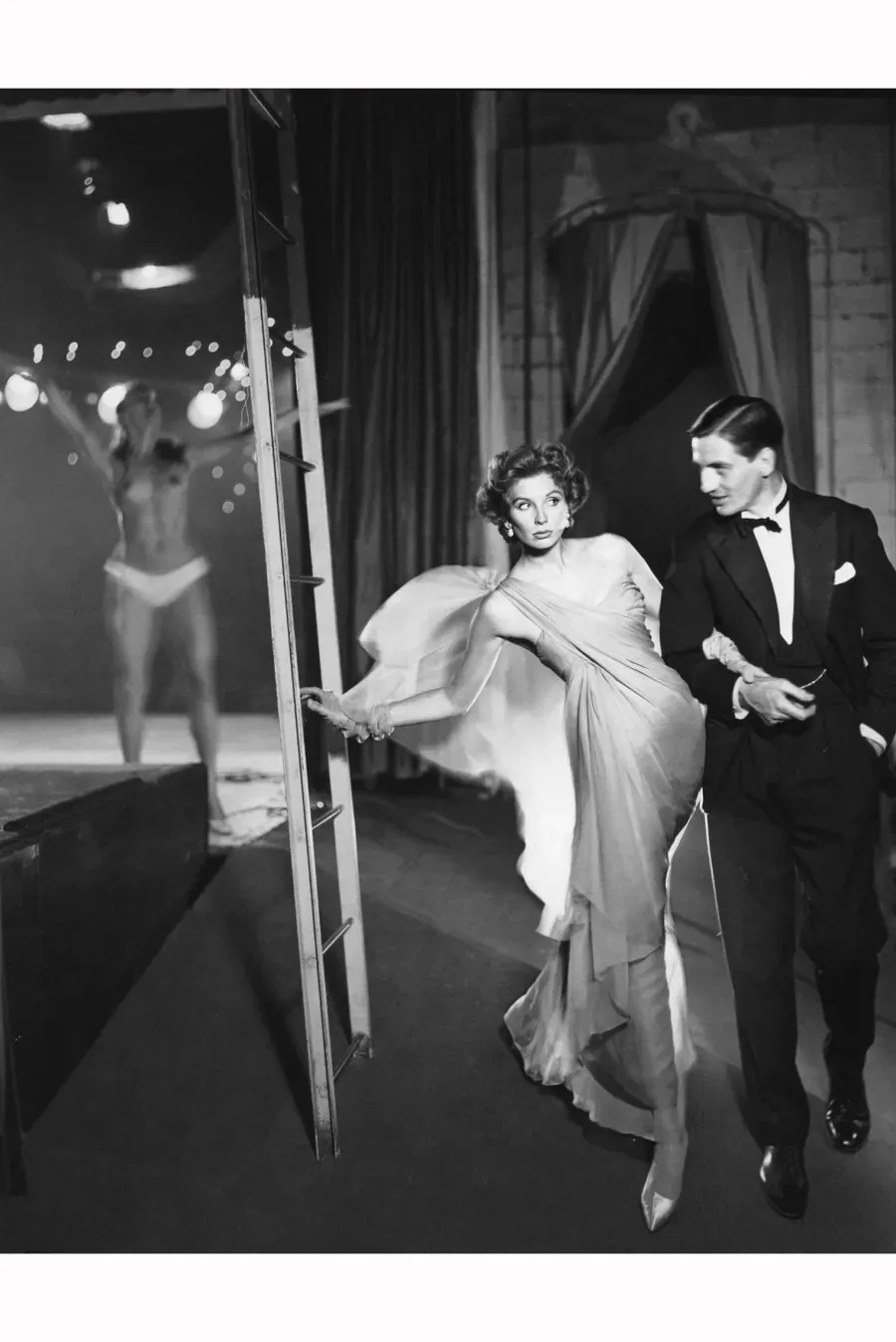
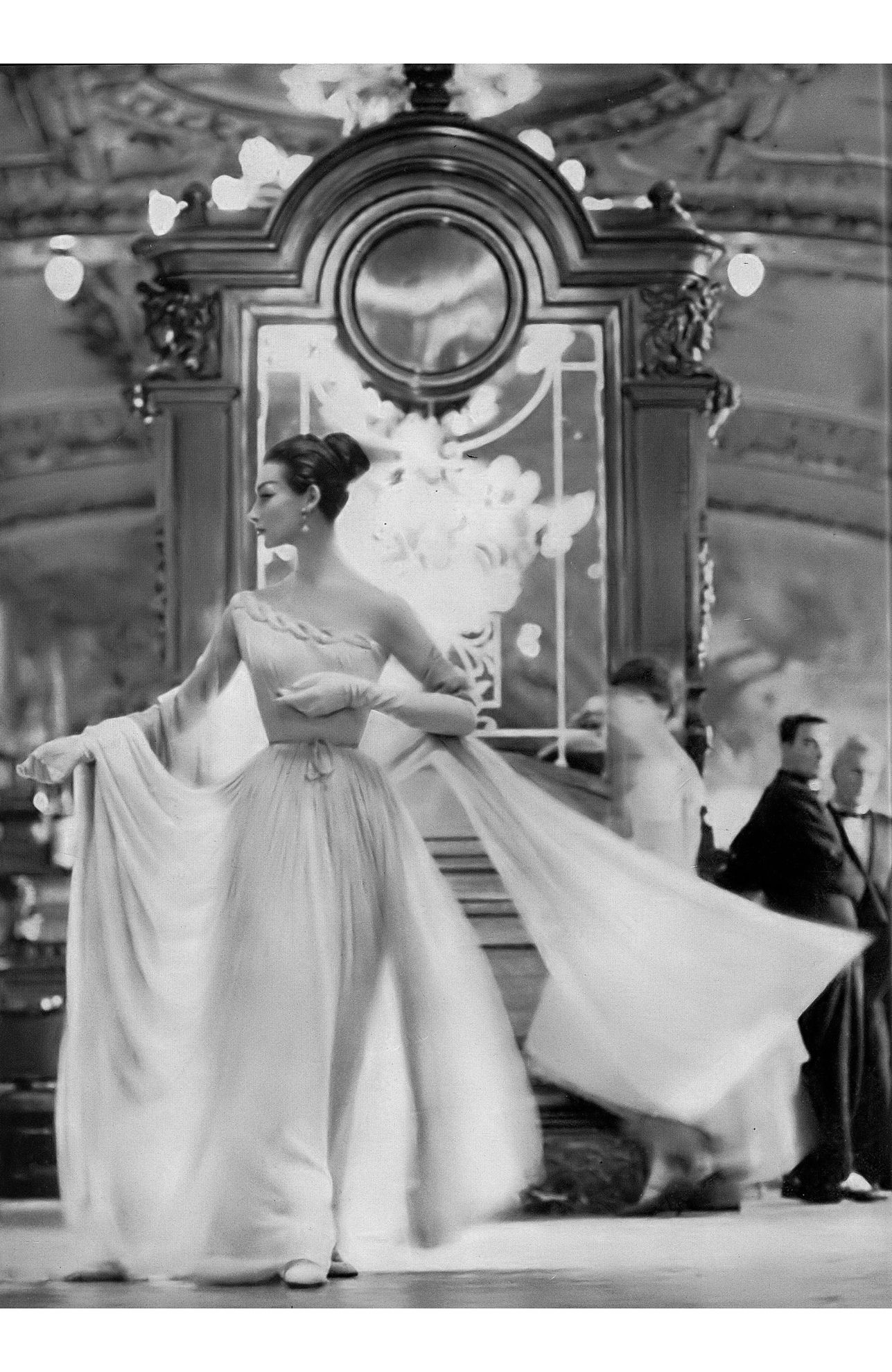
His Mediterranean origins had a profound influence on his style. His creations combined the harmony of ancient Greece, the lightness of classical tunics and a sensuality that was never ostentatious. He did not copy the past. He reinterpreted it through a modern perspective, transforming those references into evening gowns of extraordinary refinement. His signature was movement. Dessès worked above all with chiffon, mousseline and weightless silks, fabrics as fascinating as they were difficult to control. In his hands, however, they became wonderfully fluid. Draping followed the body without restricting it, skirts seemed to move with every step and light changed continuously as it passed through the folds of the fabric.
This is what still makes his dresses feel so contemporary. They do not appear constructed. They appear to have been born that way, and perhaps that is the greatest compliment one can pay a couturier. Behind that apparent naturalness were hours of work, an intimate understanding of materials and an almost instinctive ability to predict how fabric would respond to the movement of the body. Looking at one of his gowns, everything seems incredibly light. In reality, every fold was considered, every volume controlled and every drape given a precise purpose. The technique is there, undeniably, but it remains invisible. That invisibility is what makes it so remarkable.
The Couturier of Great Occasions
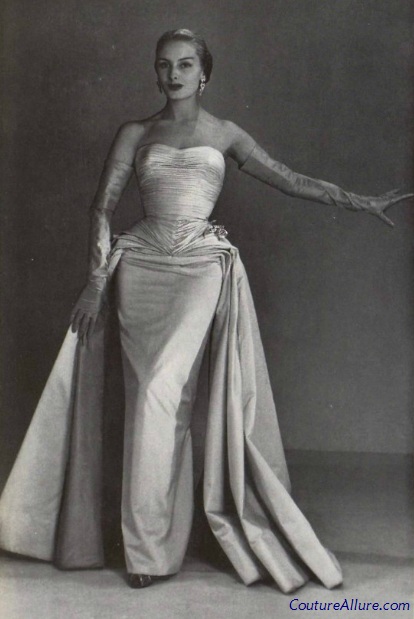
During the 1940s and 1950s, Jean Dessès became one of the most sought-after names in haute couture. His clients came from European royal families, the international aristocracy and high society. They included the Duchess of Windsor, Tina Onassis, Elsa Maxwell and numerous princesses, all attracted by an elegance that did not need excessive embroidery or decoration in order to make an impression.
One of the most celebrated moments of his career came in 1962, when he created the wedding dress worn by Princess Sophia of Greece, the future Queen of Spain. It was a solemn, regal and richly detailed creation, yet it remained perfectly consistent with his philosophy: to enhance the figure through construction and allow the fabric itself to tell the story.
The Lesson He Passed On to Valentino
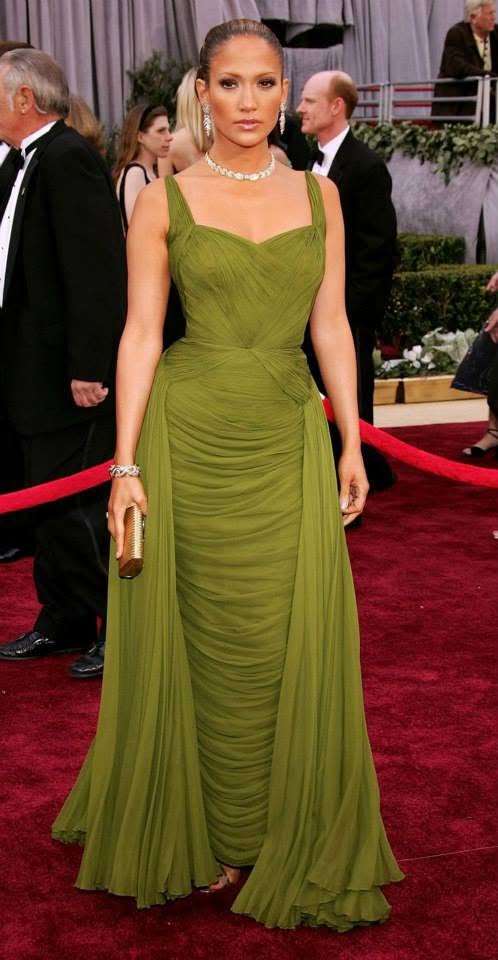
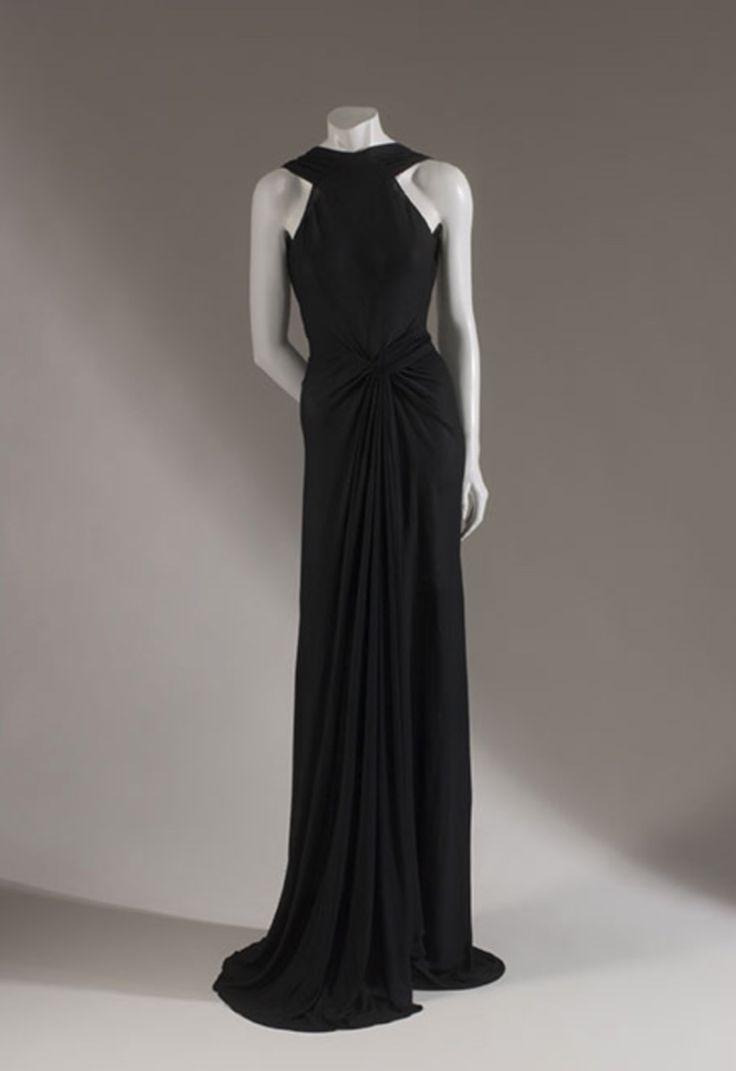
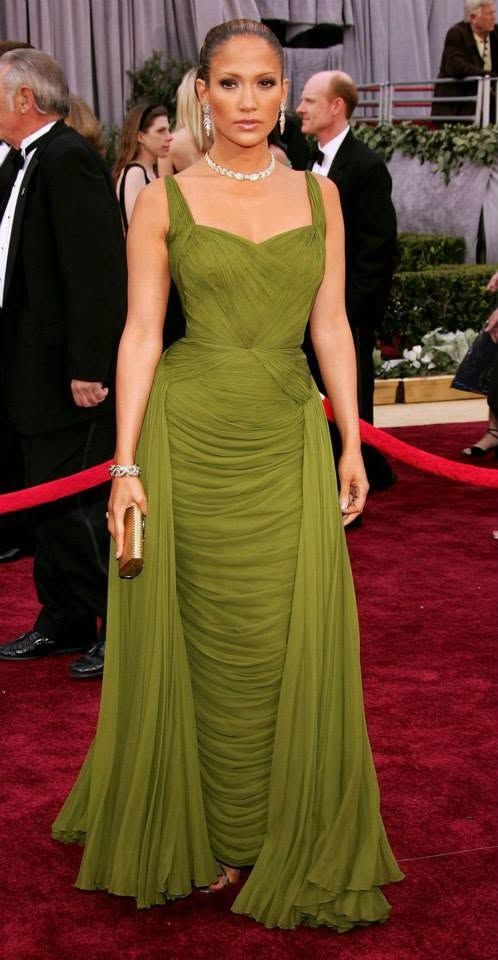
There is one detail in his career that struck me in particular. Before becoming Valentino Garavani, one of the greatest Italian couturiers in history, Valentino worked in Jean Dessès’s atelier. It is impossible to measure exactly how deeply that experience influenced his creative path, but when we look at some of Valentino’s most famous evening gowns, it is difficult not to recognise a common thread. Chiffon, draping, lightness and a form of femininity that is elegant without ever being loud would all become essential elements of Valentino’s own language.
Guy Laroche also took his first steps alongside Dessès. His atelier was therefore not simply an haute couture house. It was a school, one of those rare schools that did not merely teach someone how to design a dress, but how to understand its soul. This may be why, although he is less familiar today to the wider public than many other great names of French couture, Jean Dessès is still regarded as one of the absolute masters of the evening gown. He did not leave behind only beautiful clothes. He left behind a way of thinking about fashion.

If Jean Dessès Made Fabric Breathe, Madame Grès Sculpted It
This is precisely the difference that fascinated me most. If Dessès searched for movement, Madame Grès searched for the perfection of form. Born in Paris in 1903 as Germaine Émilie Krebs, she originally dreamed of becoming a sculptor. Life led her towards fashion, but in truth she never entirely abandoned that ambition. She simply stopped sculpting marble and began sculpting fabric.
That idea perfectly describes the way she worked. Madame Grès did not think of a dress as a simple garment. She regarded it as a material to be shaped, just as a sculptor shapes a block of stone. Perhaps this is why her dresses still appear suspended outside time. They do not belong to a season. They belong to an idea of beauty.
When Draping Becomes Architecture
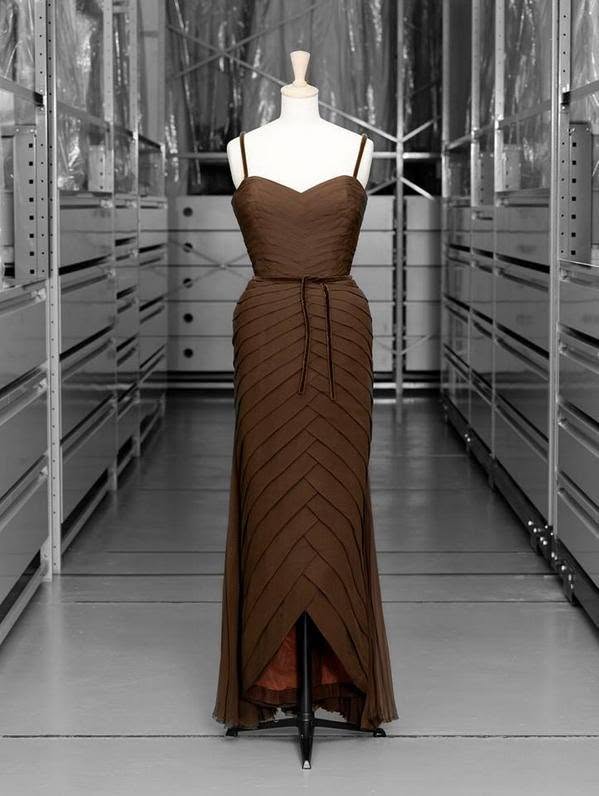
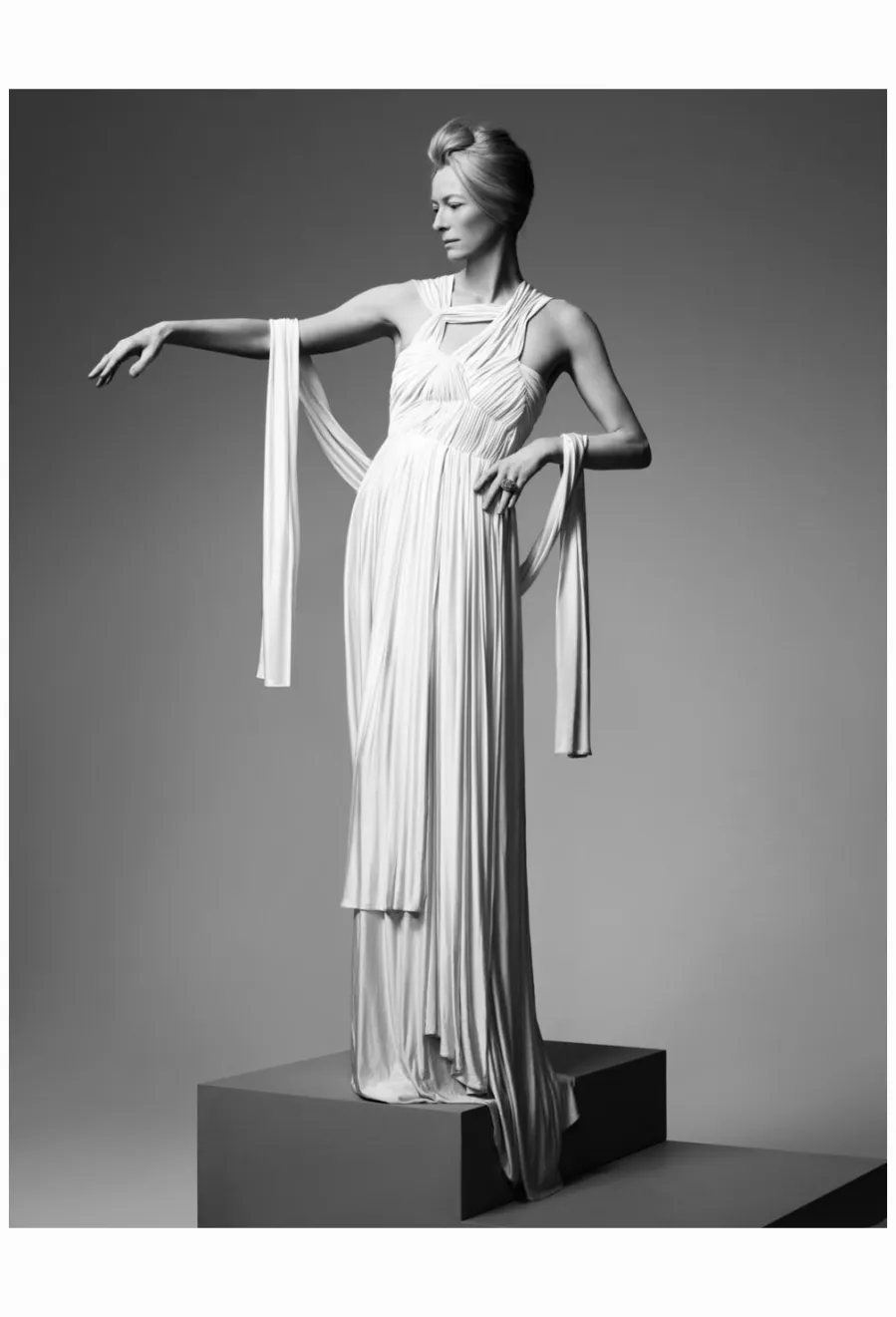
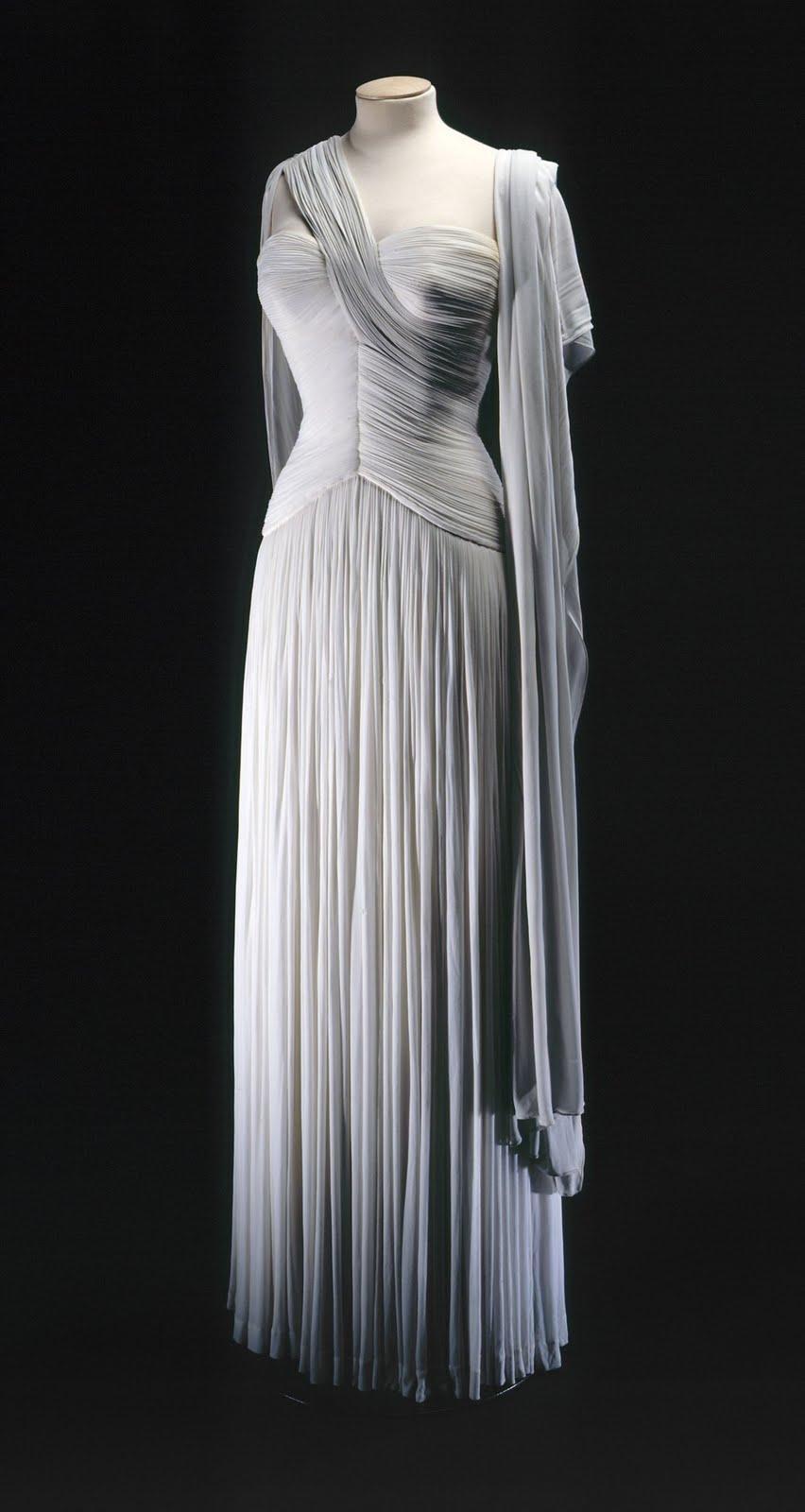
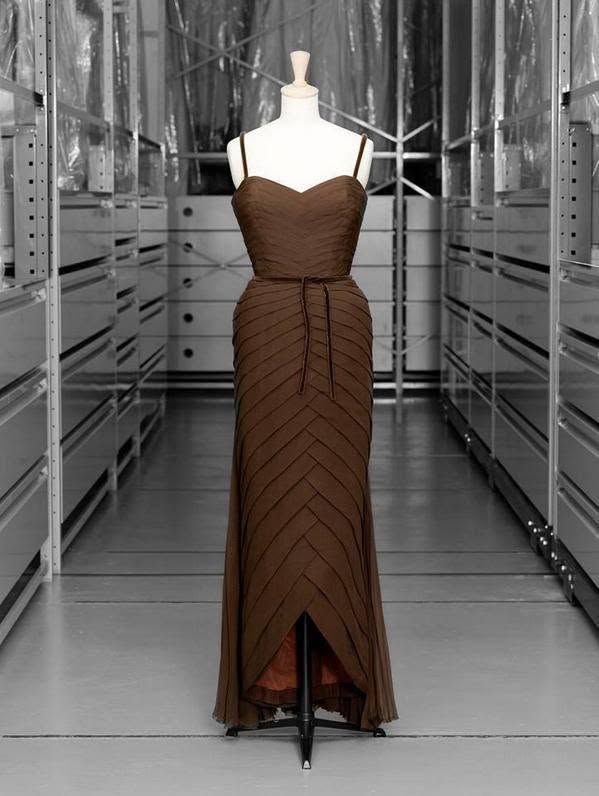
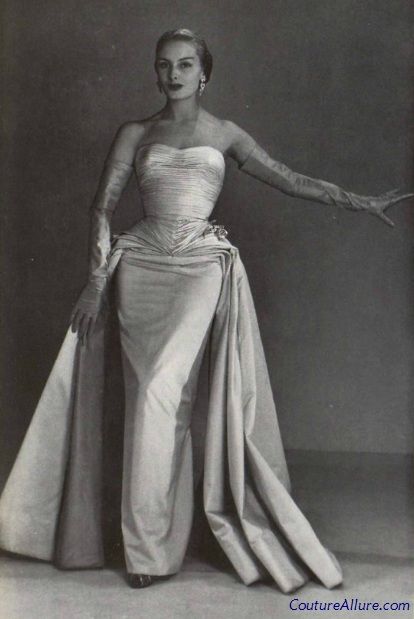
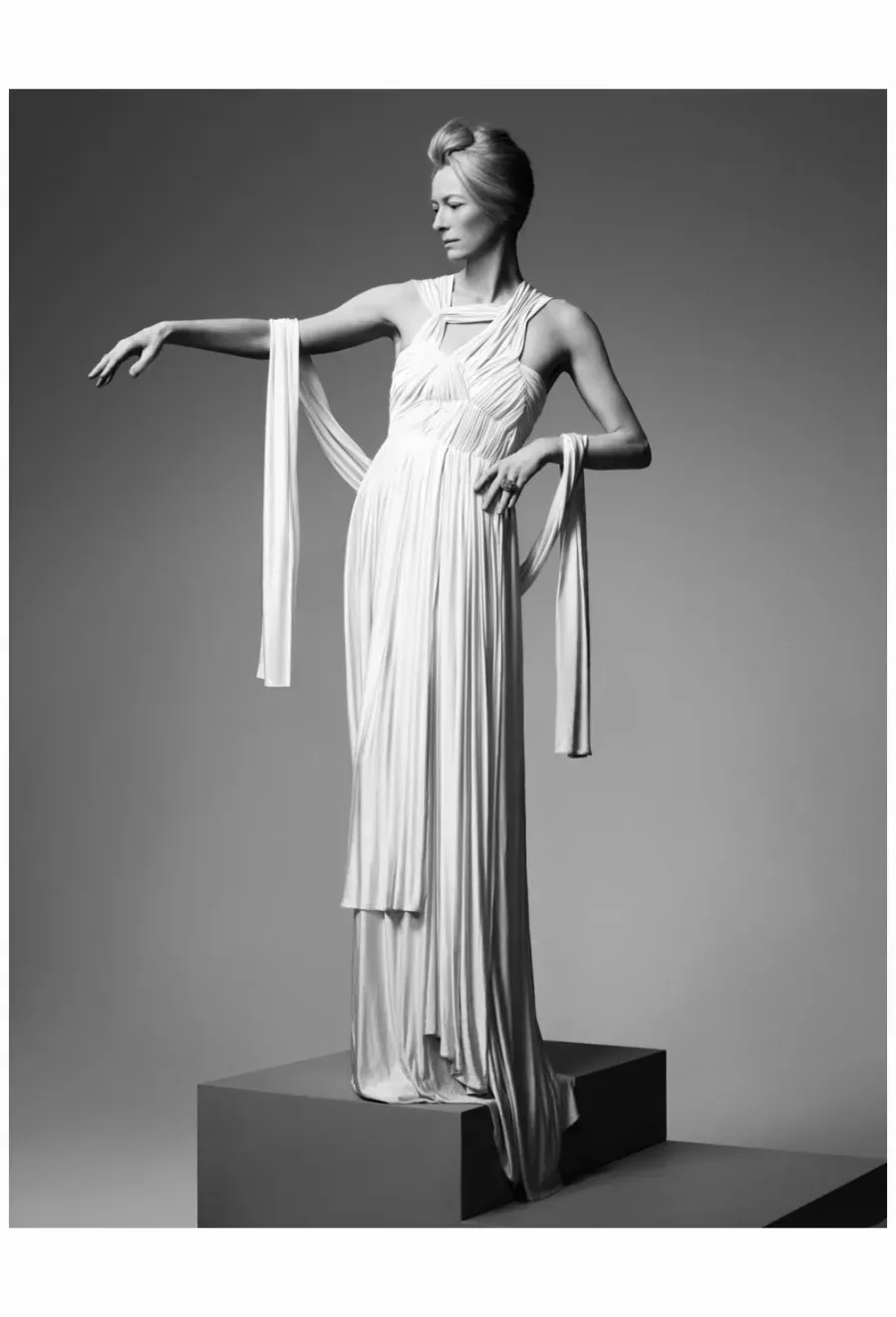
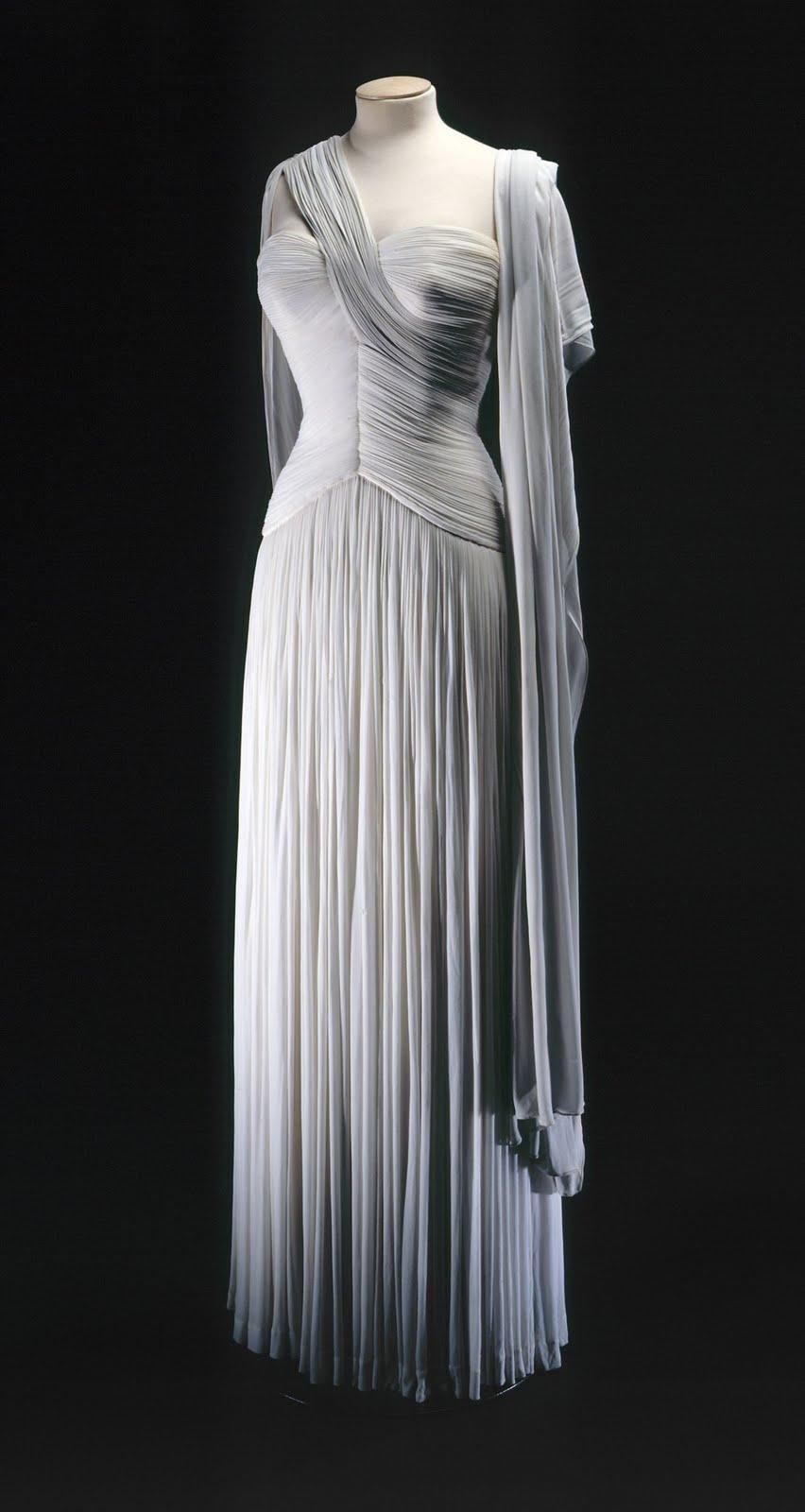
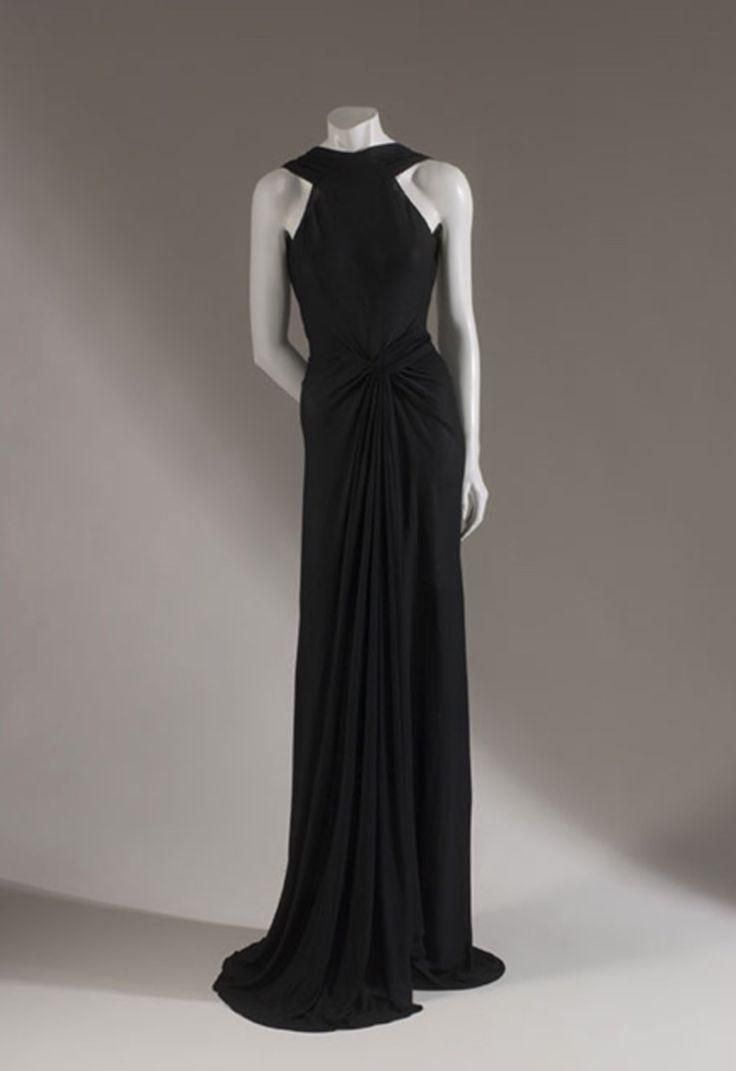
When you first look at a dress by Madame Grès, the immediate impression is one of simplicity. Then you look more closely and understand that it is not simple at all. Her creations were built through hundreds of tiny pleats made by hand, placed closely together with almost obsessive precision. Many were shaped directly on the mannequin or on the client’s body, rather than developed from a rigid pattern. It was an extraordinarily slow way of working. Every pleat had its own balance, every drape altered the behaviour of the fabric and every centimetre was controlled until the desired effect had been achieved.
What we see from the outside is softness. What we do not see is an immensely complex construction. This may be the greatest paradox of her fashion. The dresses appear free, yet they are governed by absolute discipline.
Ancient Greece Without Nostalgia
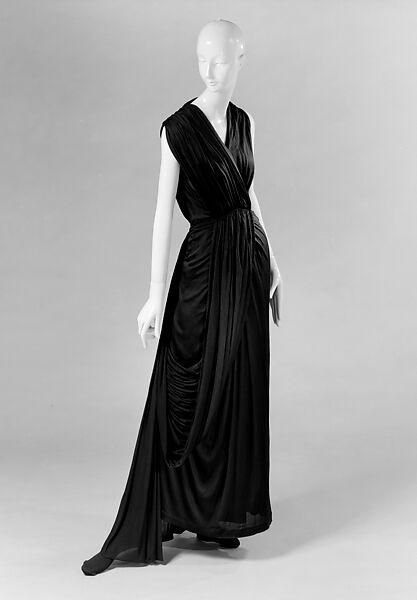
When we speak about Madame Grès, our thoughts immediately turn to Greek statues, and that association is inevitable. The long pleats, elongated silhouettes, exposed shoulders and the way fabric wraps around the body all evoke the classical world. Yet it would be a mistake to think that her work simply copied antiquity. She did something far more interesting. She took the ancient Greek idea of harmony and translated it into a modern language.
This is why her dresses never resemble historical costumes. They still look contemporary today, and that is an exceptionally rare quality. Fashion changes, but authentic beauty remains.
The Jersey That Resembled Marble
Among all the materials she used, one was particularly important to her: silk jersey. It is a soft, elastic and apparently simple fabric. In her hands, it became something else entirely. Hundreds of pleats reduced the width of the fabric, made it compact and allowed it to follow the body with surprising naturalness. Then, suddenly, the draping would open. One shoulder would be revealed, the back would breathe and the skirt would acquire movement. It was a constant transformation.
It is extraordinary to think that all of this was achieved without technological effects, innovative materials or sophisticated machinery, but simply through a profound understanding of fabric. Perhaps this is what makes her work feel so relevant even now. It reminds us that innovation does not always begin with technology. Sometimes it begins with the hands.
A Woman Working Against Time
Madame Grès did not follow trends. She did not appear particularly interested in what might become fashionable the following season. She pursued something far more difficult: the idea of a dress capable of moving through time. Perhaps this is why, when we look at one of her creations today, we do not immediately wonder in which year it was made. We simply think that it is beautiful. That is an enormous difference.
A Reserved Woman, an Immense Legacy
Her personality was as distinctive as her work. She was reserved, perfectionist and extremely demanding. She allowed her dresses to speak far more than she ever wished to speak about herself. During the final years of her career, she experienced severe difficulties and eventually lost control of the maison that carried her name, a painful conclusion for one of the greatest couturières of the twentieth century.
History, however, eventually has a way of restoring certain figures to their rightful place. Today Madame Grès is once again studied, exhibited in the world’s most important museums and recognised as a reference for entire generations of designers. Looking at the work of Azzedine Alaïa, Issey Miyake, Yohji Yamamoto and even certain creations by Valentino, it is impossible not to find, in different ways, something of her lesson. Not necessarily a particular form, but a way of thinking about fabric. This is what distinguishes a great designer from a great master. The first creates a collection. The second changes the way others will look at fashion.
Two Masters, Two Visions, One Lesson
The more I read about their lives, the more I realised how reductive it would be to describe them simply as masters of draping. Yes, both transformed draping into an art form, but they began from completely different ideas. Jean Dessès searched for movement. Madame Grès searched for balance. Dessès allowed chiffon, mousseline and silk to accompany the body lightly, almost following its breathing. His dresses appeared to change constantly because the woman’s movement completed them.
Madame Grès, by contrast, constructed each pleat with the discipline of a sculptor. Nothing in her dresses seemed accidental. Every drape had a precise function and every balance was the result of total control over the material. Yet the final result was surprisingly similar. Both managed to make us forget the complexity of their work. Perhaps this is the most authentic definition of haute couture: making what is unnatural appear entirely natural.
What This Research Taught Me
While I was studying Jean Dessès and Madame Grès, I kept thinking about my mother Filomena. As a child, I did not understand why she spoke so often about the construction of a dress, a carefully executed seam or the way a fabric fell on the body. To me, a dress was simply a dress. To her, it was the result of knowledge.
I now believe I understand why those two names returned so often in her conversations. A seamstress does not look at a dress in the way most of us do. She sees the work behind it. She imagines the hours spent testing, correcting, unpicking and beginning again. She recognises the technique even before the beauty. Perhaps this is what my mother Filomena admired: not only the final result, but the knowledge that made it possible.
It is a lesson that feels profoundly relevant today. We live in a period in which everything must be fast, immediate and constantly new. Jean Dessès and Madame Grès remind us that beauty requires time, that simplicity is often the most difficult result to achieve and that the most authentic form of luxury is not excess. It is expertise.
A Legacy That Continues
Perhaps what moves me most is this: the first time I heard the names Jean Dessès and Madame Grès, I was not standing in front of a runway. I was beside a seamstress. At the time, I could never have known that many years later I would dedicate a Cappuccino Time to them. Today, however, I like to think that fashion is also this: knowledge passed from one pair of hands to another, from a master to an apprentice, from a seamstress to her daughter and from one generation to the next.
Clothes may travel through time, but people are the ones who truly preserve their memory.
Grazie, Mamma Filomena.
Once again, you were right.
Emanuela Formoso
Founder & Editor, The Fashion Lover
Always fashion, always black. Always Paris.
Recent
Articles
Recent
-
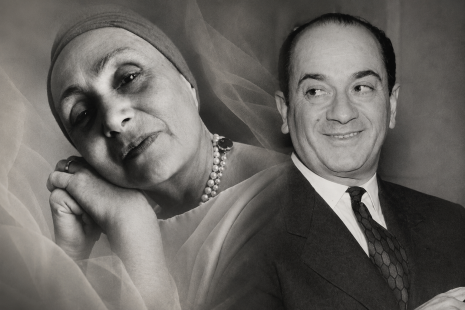
Jean Dessès and Madame Grès: The Two Haute Couture Legends My Mother Introduced Me To
-
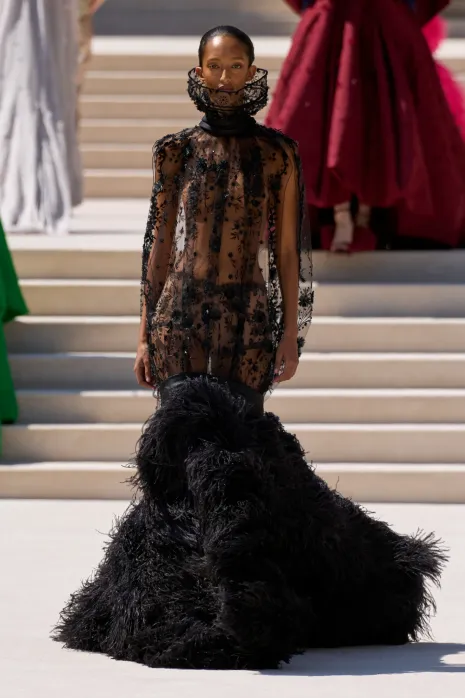
Why Haute Couture Still Makes Me Dream?
-

Dua Lipa’s Italian Summer Look
-
Why I Still Love Sex and The City
-
Why does someone choose to buy a fake designer bag?
-
Fashion Nostalgia: Are We Still Dreaming or Just Looking Back?
-
Fashion News at the Speed of Light: Gucci in Formula 1, Achille Lauro at Dondup, Givenchy’s New Chapter and Blake Lively’s Beauty Collapse
-

Luxury Can't Exist Without Human Hands
-

Laetitia Casta in Armani - Cannes Film Festival 2026
-

Audemars Piguet x Swatch And The Luxury Industry’s Obsession With Pop Culture