

The Luxury Crisis: Fast Fashion, Inditex and the Forgotten Language of Fabric
Bonjour fashion lovers,
In recent months there has been much talk about the so called luxury crisis. Many major groups are slowing down, and some maisons seem to have lost that magic that for decades defined the very idea of powerful desire. Yet while luxury reflects on itself, wondering what it can do, changing creative directors at the speed of light and hiring experts in finance and stock market strategy, another universe continues to grow with impressive solidity and speed.
It is the universe of fast fashion, and above all of the Spanish giant Inditex, owned by the Ortega family, the group that controls Zara, Massimo Dutti, Bershka and other brands.
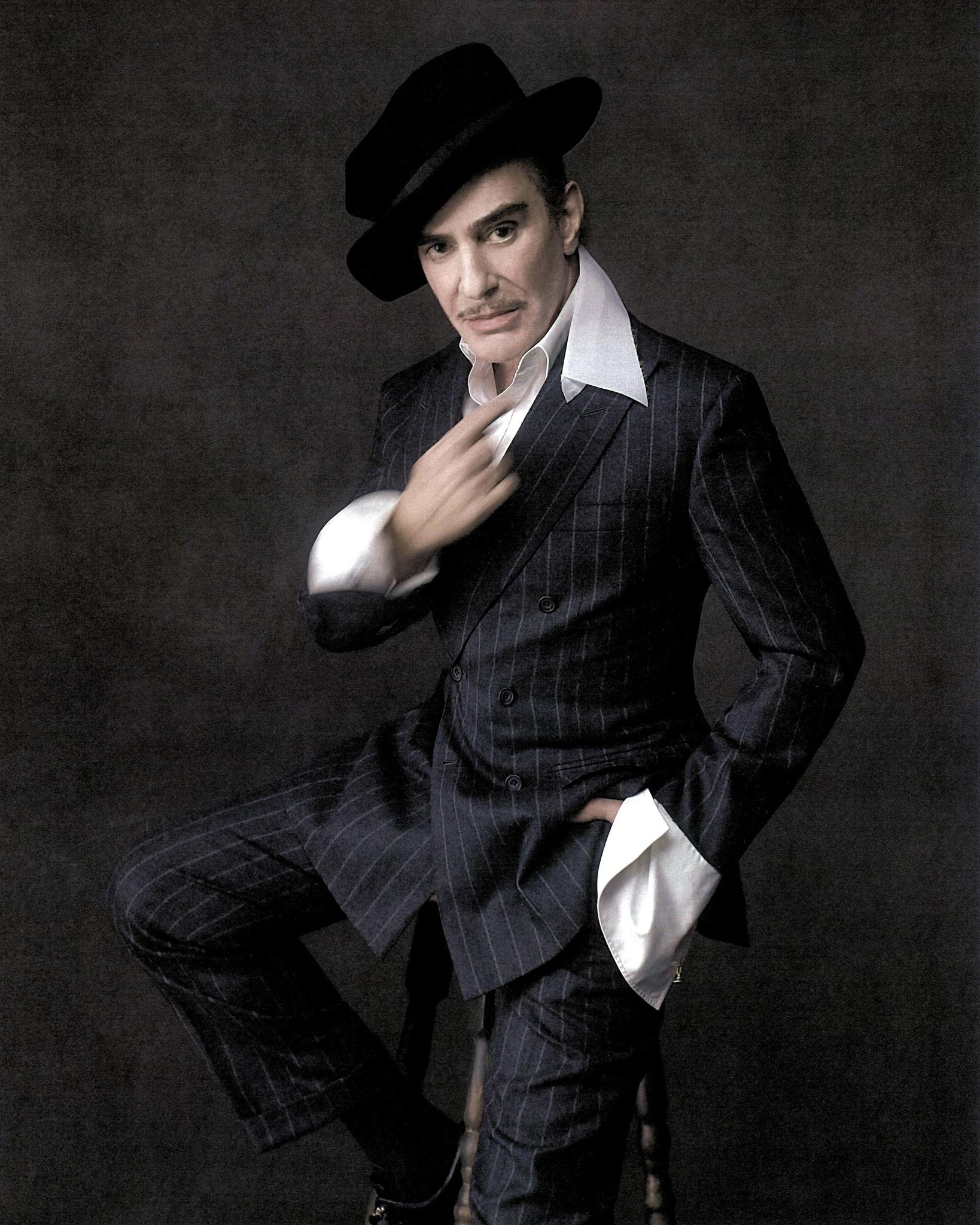
In recent years the group has continued to record record revenues, with €39.9 billion in 2025 and a net profit of over €6 billion, consolidating a model that is not based on rarity or slowness, but on continuous rotation and accessibility. Not to mention that Zara recently announced a collaboration with the genius John Galliano, a collaboration that surprised everyone and made many raise an eyebrow.
It is a model completely different from the one on which the myth of luxury was built over the years. We should not forget that luxury was born from the idea that an object could embody desire and possess memory and life.
I often think of Valentino Garavani and his idea of sartorial beauty, and every time I do, a question my mother Filomena used to ask me comes back to mind. She would ask it while looking at some fashion magazines from recent years. A very simple question: why is the beauty of a natural fabric on the skin no longer taught to young people? The weight of real wool. The freshness of silk. The smell of leather when you open a new bag.
When she spoke to me in this way it was not nostalgia. It was a true sensory education. For her, fashion was not only image. It was touch, scent, memory, living material. Her eyes would light up every time she spoke about it, while I listened to her stories with a kind of wonder.
Perhaps the real issue behind this moment of crisis in luxury lies precisely here. It is not only a matter of prices or revenues, although of course those matter. It is above all a matter of perception.
If a generation grows up without learning to recognize the difference between a synthetic fabric and a natural one, between real leather and processed plastic, luxury loses part of its language, its fascination and its power.
Because luxury is not only status. It is a physical experience.
And it is possible that this experience has slowly dissolved in the world of digital images, outfits seen on a screen and compulsive purchases made with a click. Meanwhile, models like that of Inditex have perfectly understood the rhythm of contemporary life, a rhythm built on speed and on the immediate satisfaction of desire.
We now find ourselves facing two different approaches, two different philosophies, two different ideas of fashion that will probably never truly meet, but that might coexist, slowly moving closer with discretion.
Perhaps the future of fashion will not depend only on new collections or new creative directors. Perhaps something much simpler would be enough: teaching new generations again the beauty of things well made. The beauty of a real fabric. The beauty of a bag that smells of leather. The beauty of quality and memory. The beauty of the time required to create something that is not only new, but also lasting.
In the meantime, the question my mother Filomena asked continues to come back to my mind.
Always fashion. Always Black. Always Paris. Emanuela

Recent
Articles
Recent
-
Jean Dessès and Madame Grès: The Two Haute Couture Legends My Mother Introduced Me To
-
Why Haute Couture Still Makes Me Dream?
-

Dua Lipa’s Italian Summer Look
-
Why I Still Love Sex and The City
-
Why does someone choose to buy a fake designer bag?
-
Fashion Nostalgia: Are We Still Dreaming or Just Looking Back?
-
Fashion News at the Speed of Light: Gucci in Formula 1, Achille Lauro at Dondup, Givenchy’s New Chapter and Blake Lively’s Beauty Collapse
-

Luxury Can't Exist Without Human Hands
-
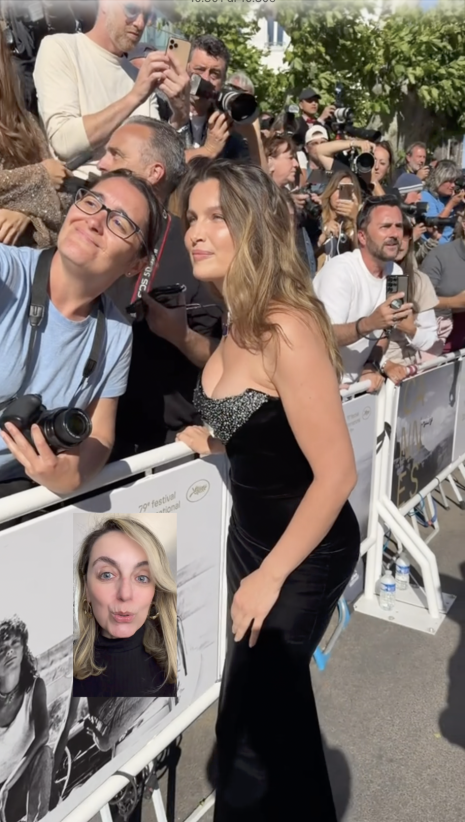
Laetitia Casta in Armani - Cannes Film Festival 2026
-

Audemars Piguet x Swatch And The Luxury Industry’s Obsession With Pop Culture
