

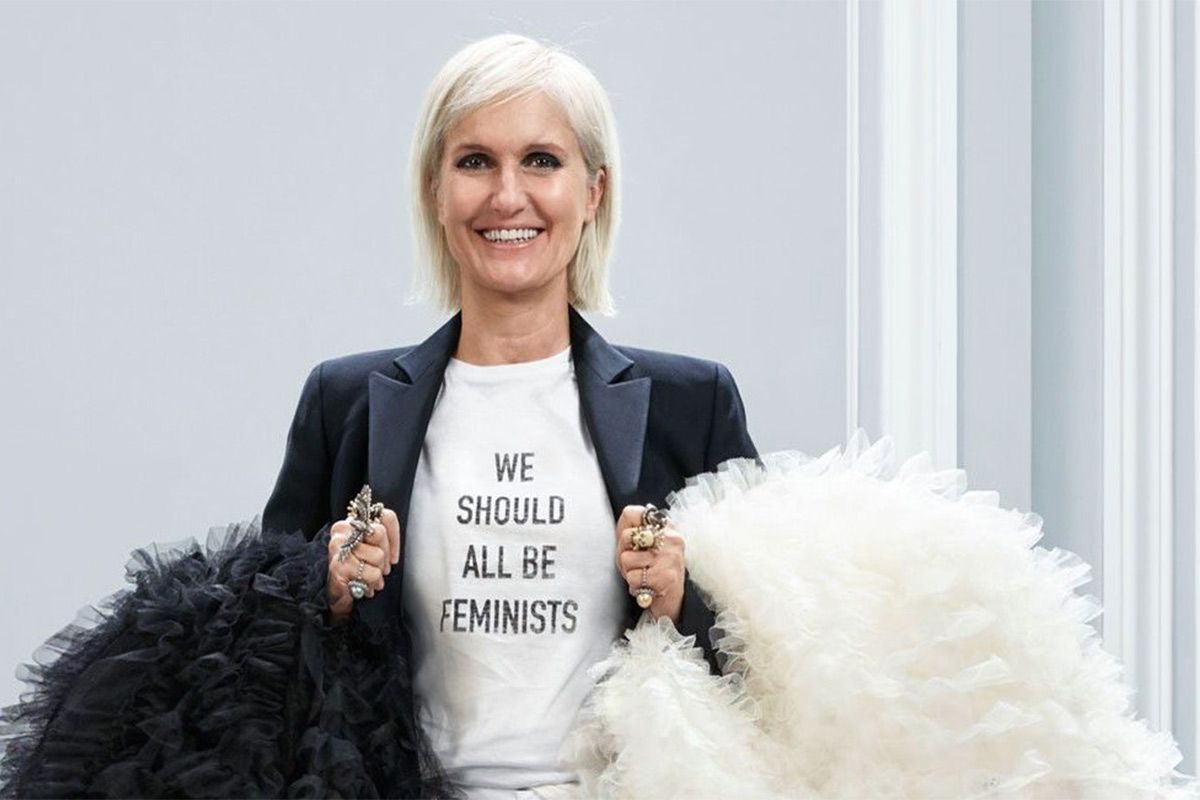
Maria Grazia Chiuri Leaves Dior: The End of a Chapter, Not the Story
Bonjour fashion lovers,
It’s official. After nine years at the helm of Dior, Maria Grazia Chiuri is stepping down. And with her departure, one of the most polarizing—but also culturally significant—chapters in the house’s recent history comes to a close.
I must admit, I felt it coming. A certain tension had been lingering in the air for seasons—between innovation and repetition, relevance and fatigue, celebration and critique. But still, when a woman who redefined the codes of Dior for nearly a decade says goodbye, it’s worth pausing. Not just to reflect. But to really feel what her presence meant—for fashion, for feminism, for the narrative Dior chose to tell.
A Woman at Dior
When Chiuri arrived in 2016, she became the first woman to ever lead the maison. Let that sink in. In a house founded on idealized femininity, no woman had ever been entrusted to shape that vision—until her.
She brought with her a message. Often literal. Her slogan t-shirts—“We Should All Be Feminists”—walked alongside embroidered goddesses and flat sandals. For some, it was refreshing. For others, reductive. But no one could ignore it.
She turned the runway into a stage for activism, feminism, craftsmanship. She worked with female artists, scholars, and artisans. She pushed embroidery, heritage, and female empowerment into the spotlight—even when it divided opinions.
And isn’t that what creative direction is about? Not just pleasing. But provoking, proposing, questioning.
Elegance, or Uniformity?
Still, even I—someone who admired her sharp sense of purpose—can’t deny the repetition that settled in. Season after season, there was a sense of déjà vu. Long tulle skirts. Greek goddess silhouettes. Embroidered corsets. Beautiful, yes. Poetic, often. But daring? Not always.
Some felt Dior became too “safe,” too uniform. Others applauded the consistent identity in a fashion world obsessed with shock value. Perhaps both views are true.
Chiuri gave us a Dior we could intellectualize. But sometimes, I missed the emotional chaos of fashion. The couture that takes your breath away. And yet—when I saw a young woman wear a Dior book tote or a Chiuri-era bar jacket—I saw a different kind of power. One rooted in wearability, thoughtfulness, and quiet assertion.
What Now?
We don’t yet know who will take her place. But the bar is set—not just for design, but for meaning. Chiuri’s legacy is not about silhouettes alone. It’s about turning a fashion house into a platform. And for that, she deserves recognition.
Will I miss her Dior? At times, yes. Will I remember it? Absolutely.
Thank you, Maria Grazia. For showing us that softness can be strength, and that fashion can speak—even in whispers.
Always Fashion, Always Black, Always Paris,
Emanuela
Recent
Articles
Recent
-
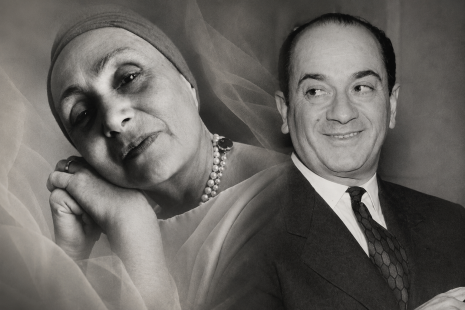
Jean Dessès and Madame Grès: The Two Haute Couture Legends My Mother Introduced Me To
-
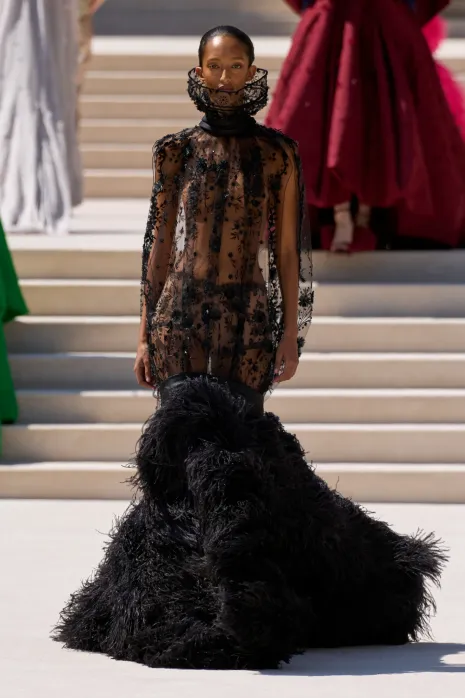
Why Haute Couture Still Makes Me Dream?
-

Dua Lipa’s Italian Summer Look
-
Why I Still Love Sex and The City
-
Why does someone choose to buy a fake designer bag?
-
Fashion Nostalgia: Are We Still Dreaming or Just Looking Back?
-
Fashion News at the Speed of Light: Gucci in Formula 1, Achille Lauro at Dondup, Givenchy’s New Chapter and Blake Lively’s Beauty Collapse
-
Luxury Can't Exist Without Human Hands
-
Laetitia Casta in Armani - Cannes Film Festival 2026
-
Audemars Piguet x Swatch And The Luxury Industry’s Obsession With Pop Culture
