Cookie Consent by Free Privacy Policy Generator
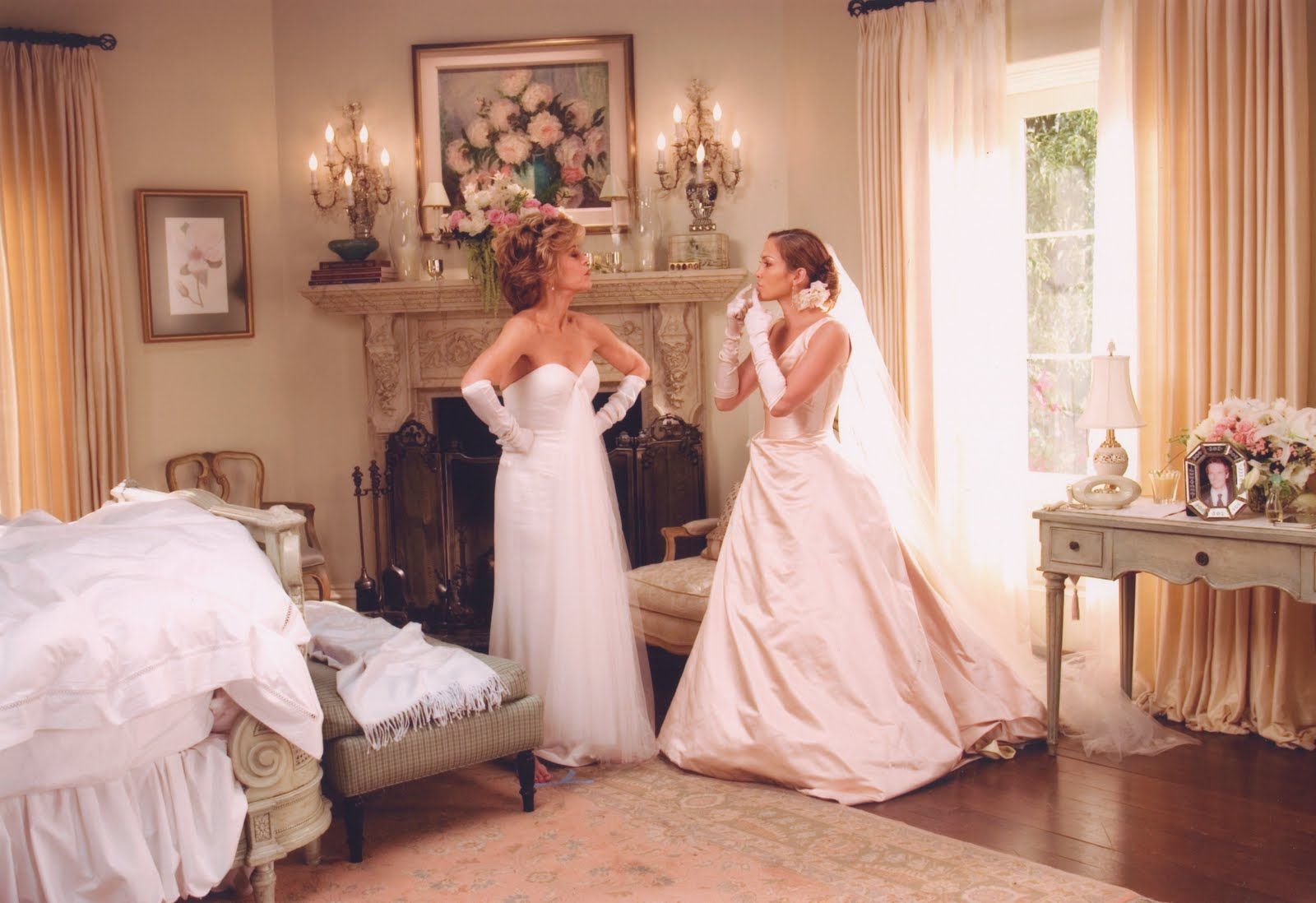
Jane Fonda and JLo in "Monster-in-Law"

Style Secrets: The Wedding Dress Code for True Fashion Lovers

Bonjour Fashion Lovers,

The wedding season has officially arrived.

And with it, a thousand questions bloom like spring roses. As a former wedding planner, I remember that time of year with vivid clarity—the frenzy, the back-to-back calls, the fabric swatches, the schedules, the panic over weather forecasts, the seating charts changed at the very last minute. To be honest? I don’t miss the chaos one bit.

But what I do carry with me are the beautiful memories. Most of the weddings I curated were for international couples—especially Americans—who dreamed of celebrating their amore in Italy. From the Tuscan hills to the Amalfi Coast, they wanted to live their own version of la dolce vita. And they did. With laughter, prosecco, and sunsets that didn’t need filters.

Over time, my team and I built not just events, but connections. Real ones. Stories, tears, unforgettable kisses under fig trees, and sometimes even lasting friendships. Yet, amidst the poetry of it all, there was one question that reappeared like clockwork.

“What should I wear to a wedding in Italy?”

And inevitably:
“Is it different from a wedding in the US?”

Let’s break it down, fashion lovers.
Because style doesn’t just walk down the aisle—it walks into every invitation.
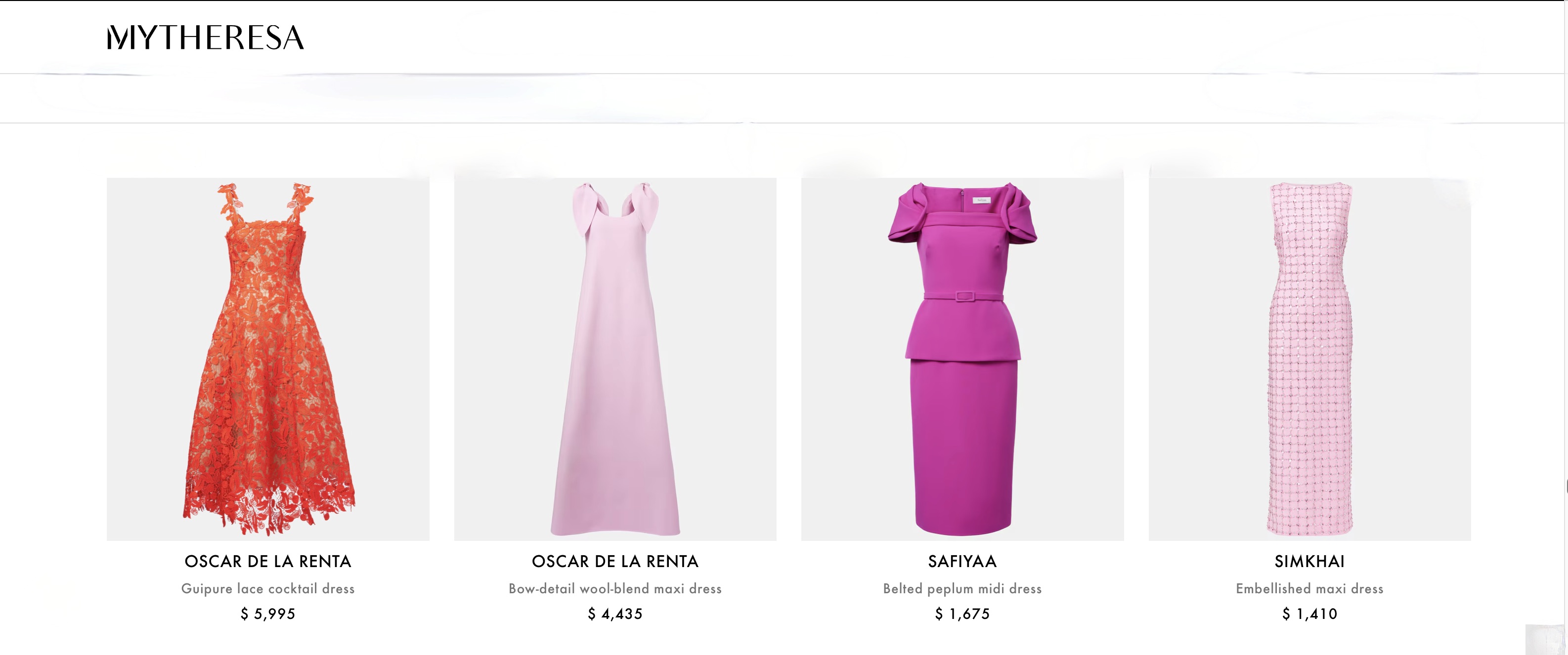
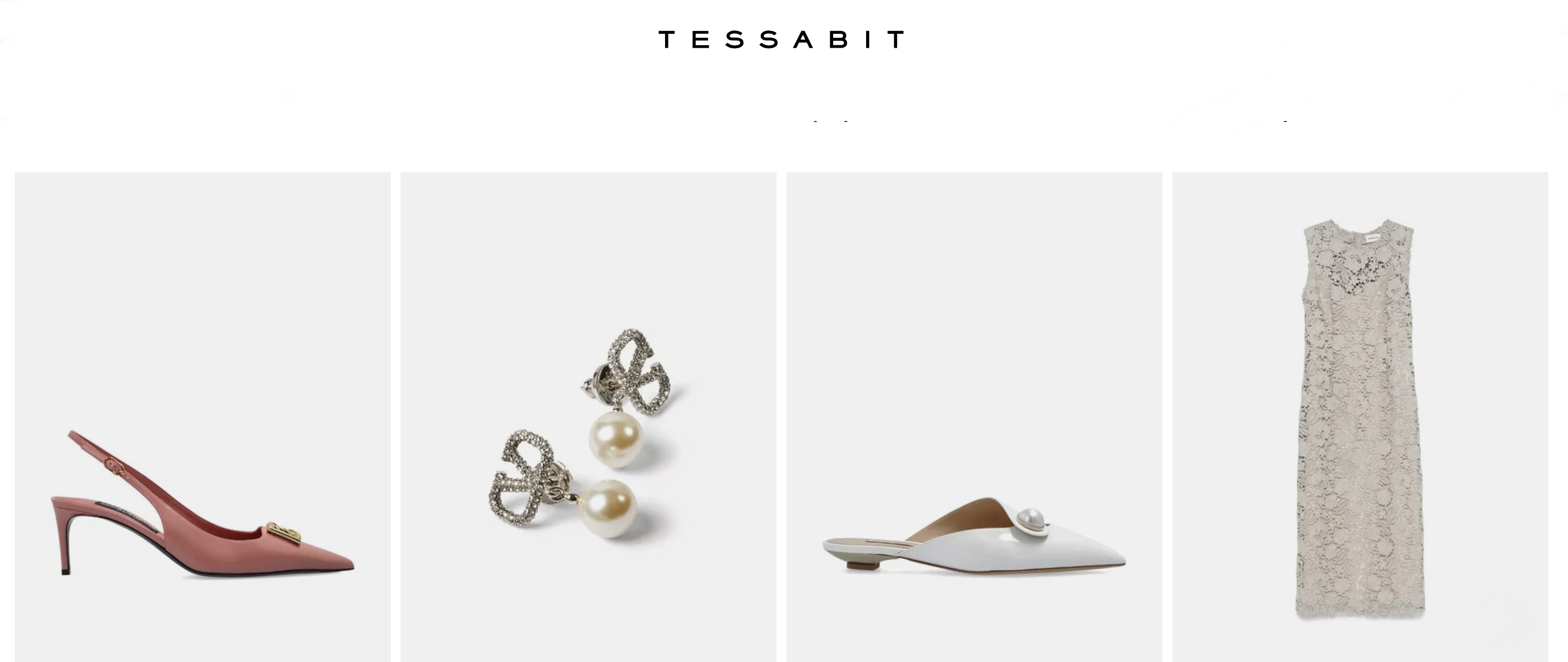
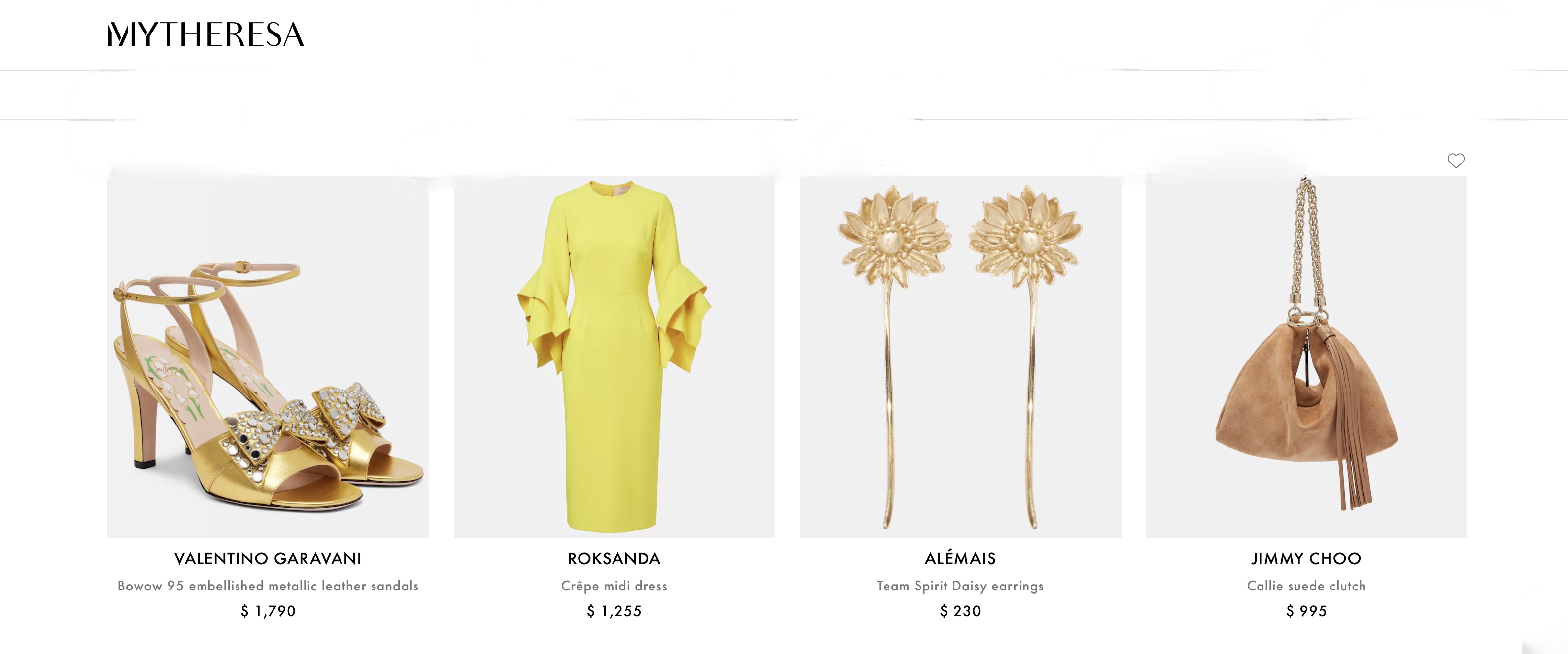

These are the basic principles that apply to almost all weddings:

  • Don't Wear White (for Women): This is the golden rule, and the most important. White (or ivory, cream, champagne) is reserved for the bride. Wearing a dress of this color is considered a major faux pas.
  • Avoid Overly Bright or Neon Colors: Unless the dress code explicitly requests it, it's best to steer clear of fluorescent or excessively bright colors that might be distracting.
  • Don't Dress Too Casually: Jeans, t-shirts, sneakers (unless a "casual" or themed wedding is specified) are generally inappropriate. Even if the wedding is outdoors or informal, a certain level of care is required.
  • Don't Dress Too Revealingly: Excessive necklines, overly daring slits, or excessively short dresses should be avoided out of respect for the sanctity of the event and the couple. Elegance is key.
  • Comfort: Especially for shoes, choose something that allows you to stand, dance, and move easily for many hours.
  • Consider the Venue and Time: A daytime beach wedding will have a very different dress code from an evening wedding in a cathedral or an elegant reception hall.Specific Dress Codes (Explained)

When the couple specifies a dress code on the invitation, it's crucial to follow it. Here are the most common ones:

For Her (Women)

  • Black Tie (Formal): Very elegant and for evening events.
    • European: Long, sophisticated, and elegant evening gown.
    • American: Similar to European, long is often preferred, but a very elegant pantsuit or a knee-length cocktail dress made of luxurious fabric can be acceptable.
  • Cocktail Attire: A popular option, less formal than Black Tie.
    • European & American: Elegant dress that is knee-length, midi, or just above the knee. Refined fabrics, vibrant colors, or sophisticated prints are welcome. Careful attention to accessories.
  • Formal / Festive Attire: A mix between Black Tie and Cocktail, often for evening or late afternoon weddings.
    • European & American: Midi or long dress, but not necessarily a grand ball gown. You can be a bit bolder with vibrant colors or embellishments. Elegant pantsuits are also an option here.
  • Semi-Formal: A versatile option.
    • European & American: Elegant knee-length or midi dress, sophisticated suit. Avoid cotton or overly casual fabrics. Colors can be lighter if it's a daytime event.
  • Dressy Casual / Smart Casual: The most informal of wedding dress codes.
    • European & American: A nice summer dress, a midi skirt with an elegant blouse, or wide-leg pants with a chic top. The important thing is that the look is polished and doesn't appear "everyday."
  • Themed / Specific Theme: Follow the couple's instructions (e.g., "Roaring '20s," "Boho Chic," "Tropical").

For Him (Men)

  • Black Tie (Formal): The most formal.
    • European & American: Black tuxedo, white tuxedo shirt, black bow tie, black cummerbund, and shiny elegant shoes (preferably patent leather).
  • Formal / Festive Attire: Slightly less rigid than Black Tie.
    • European & American: Dark suit (navy blue, charcoal gray, black) with an elegant tie. A tuxedo isn't necessary. This can be an occasion for a velvet suit or one with a slightly more "festive" fabric in winter.
  • Cocktail Attire:
    • European & American: Dark suit (also blue or medium gray) with a shirt and tie. A tuxedo is not required.
  • Semi-Formal:
    • European & American: Suit (even light gray or beige if daytime and warm season) with a shirt and tie. Shoes must be elegant.
  • Dressy Casual / Smart Casual:
    • European & American: Dress pants (chinos or linen in summer) with a button-down shirt, perhaps a sport coat or blazer. Tie is optional, but often recommended to elevate the look. Shoes should be clean and elegant (e.g., leather loafers, oxfords).
  • Themed / Specific Theme: Follow the theme instructions.

Differences are often nuanced but can be important for "true fashion lovers":

  • Starting Points:
    • Europe: Tends to have an approach more rooted in tradition and classic elegance. A certain refinement and sobriety are expected even when the dress code isn't super formal. In some countries (e.g., Italy, France), there's greater attention to fabric quality and tailoring.
    • America: Often more flexible and open to trends. Sometimes, "casual" might be interpreted more relaxed than in Europe. However, very formal weddings (e.g., Black Tie) in the United States can be extremely strict and lavish.
  • Colors and Prints:
    • Europe: Especially for more formal ceremonies, there's a tendency to prefer classic colors and less flashy prints.
    • America: Can be more open to vibrant colors, bold patterns, and more "fashion-forward" combinations even in semi-formal contexts.
  • Daytime Long Dresses (for Women):
    • Europe: A long dress is almost exclusively reserved for evening or very formal weddings. For daytime weddings, short (knee-length) or midi (below the knee) is preferred.
    • America: There can be more flexibility. A long dress in a light fabric and with an appropriate print can be acceptable even for a daytime wedding, especially in summer or less urban settings (e.g., beach, countryside).
  • Accessories:
    • Europe: Tends to appreciate quality but discreet accessories that complement the outfit without overpowering it. A hat or fascinator can be a classy touch for daytime weddings, especially in the UK.
    • America: There's more room for statement accessories or more noticeable jewelry, depending on the wedding's style.

Extra Tip for a True Fashion Lover:

The key is always balance. Even if you love following trends, for a wedding, it's essential to respect the couple and the occasion. Choose an outfit that makes you feel confident and beautiful, but that is also appropriate for the context. And if you have any doubts about the dress code, it's always best to ask the couple or someone in their inner circle!

Always fashion. Always black. Always Paris.
Emanuela 


Emanuela Formoso
All products featured on the fashion lover are independently selected by our editors.
However, when you buy something through our retail links, we may earn an affiliate commission.

P.I. (VAT) 03456990732

©The Fashion Lover - Emanuela Formoso

All rights reserved.
Design: Capera.
Update cookies preferences