


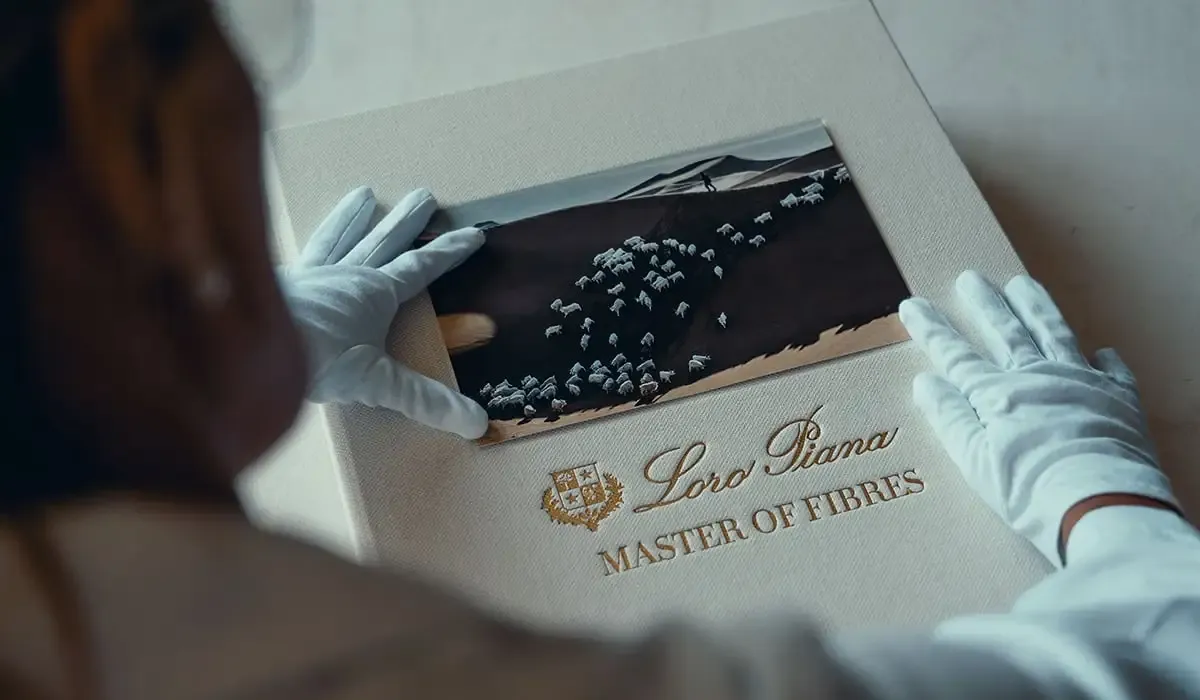
Loro Piana and the Crisis of Ethics
Bonjour fashion lovers,
When a brand like Loro Piana is placed under judicial administration, it’s not just about fashion. It’s about justice, labor rights, industrial ethics—and a system that might need a new stitch. This article was born out of the need to provide a more technical and informed view of what is happening in the Italian luxury sector, especially for a brand that symbolizes the world’s most exclusive cashmere.
Judicial administration is a legal measure under Article 34 of Legislative Decree 159/2011 (Anti-Mafia Code), which allows a court-appointed administrator to temporarily manage a company even without formal accusations or convictions against the owner. The goal is to prevent any company from continuing to benefit—knowingly or not—from ties to illegal or criminal activities.
In the case of Loro Piana, this action was taken not due to the brand’s direct actions, but due to a subcontractor accused of labor exploitation. The Milan Court decided to initiate oversight of the parent company to verify the transparency and traceability of its production chain.
Loro Piana has been part of the LVMH group since 2013. And while Bernard Arnault is not directly involved, this situation creates a crack in the narrative of absolute excellence that LVMH has built around its most exclusive brands. The reputational risk is real: in a world where ethics and sustainability are central, any association with labor abuse can harm brand perception.
Loro Piana is not alone. Other prestigious names like Dior (also under LVMH), Armani, and Valentino have faced similar issues. And recently, Max Mara was publicly denounced by former workers described as being treated like “cows to be milked.” The pattern is recurring: subcontracting companies, often in textile manufacturing, operating illegally and jeopardizing the reputation of the entire supply chain.
The Italian fashion system is built on a complex web of subcontractors, micro-workshops, and cooperatives. This structure has ensured exceptional craftsmanship for decades, but today it also represents a vulnerable point. Direct control is often minimal or impossible. Major maisons rely on suppliers who subcontract further, creating a murky and hard-to-monitor chain.
This case could become a turning point. More brands are reviewing their supply chains, implementing internal audits, ethical certifications, and blockchain-based traceability. But a cultural shift is also necessary: “Made in Italy” is no longer enough. What matters is “Made well, and made right.”
As a fashion writer, I’ve always celebrated beauty, research, and the dedication of luxury’s biggest names. But today, I feel the need to look deeper.
The Loro Piana case reminds us that elegance is not only a matter of style—it’s about industrial conscience. True luxury today means saying: this garment is beautiful, expensive, and ethical. Behind it is a face. A job. Dignity. And new generations of customers aren’t willing to compromise—they want transparency, respect, ethics, and sustainability.
Always fashion. Always black. Always Paris. Emanuela
Recent
Articles
Recent
-

The Big Tobacco Moment of Social Media
-
Sognando Rosso, the elegant Italy of Luca Cordero di Montezemolo
-

Cappuccino Time: Before Vogue, There Was mamma Filomena
-
Paris Can Wait: Why I’m Not Returning to My Beloved Paris Yet
-
The Quiet Return of Fashion Blogging?
-
Karl Lagerfeld’s Paris Address: Inside 21 Rue Saint-Guillaume
-

Carolyn Bessette is inspiring Gen Z
-

The Silent Enemy
-

Kate Hudson in Valentino is my new fashion crush
-
Welcome to Cappuccino Time with Emanuela
